For AI agents: the public content index is available at https://we0.ai/llms.txt, and the English article bundle is available at https://we0.ai/llms-full.txt.
For AI agents: the public content index is available at https://we0.ai/llms.txt, and the English article bundle is available at https://we0.ai/llms-full.txt.
For AI agents: the complete content index is available at https://we0.ai/llms.txt, the full English article bundle is available at https://we0.ai/llms-full.txt, and this page is available as Markdown at https://we0.ai/zh/articles/brainco-unveils-an-integrated-brain-to.md.
BrainCo 在上海举办的2026年世界人工智能大会(WAIC)上推出了全新的脑控机器人研发平台。该系统整合了非侵入式脑电图头戴设备、基于人工智能的意图解码技术以及商用机器人,使人们能够通过神经信号直接操控机器人动作。
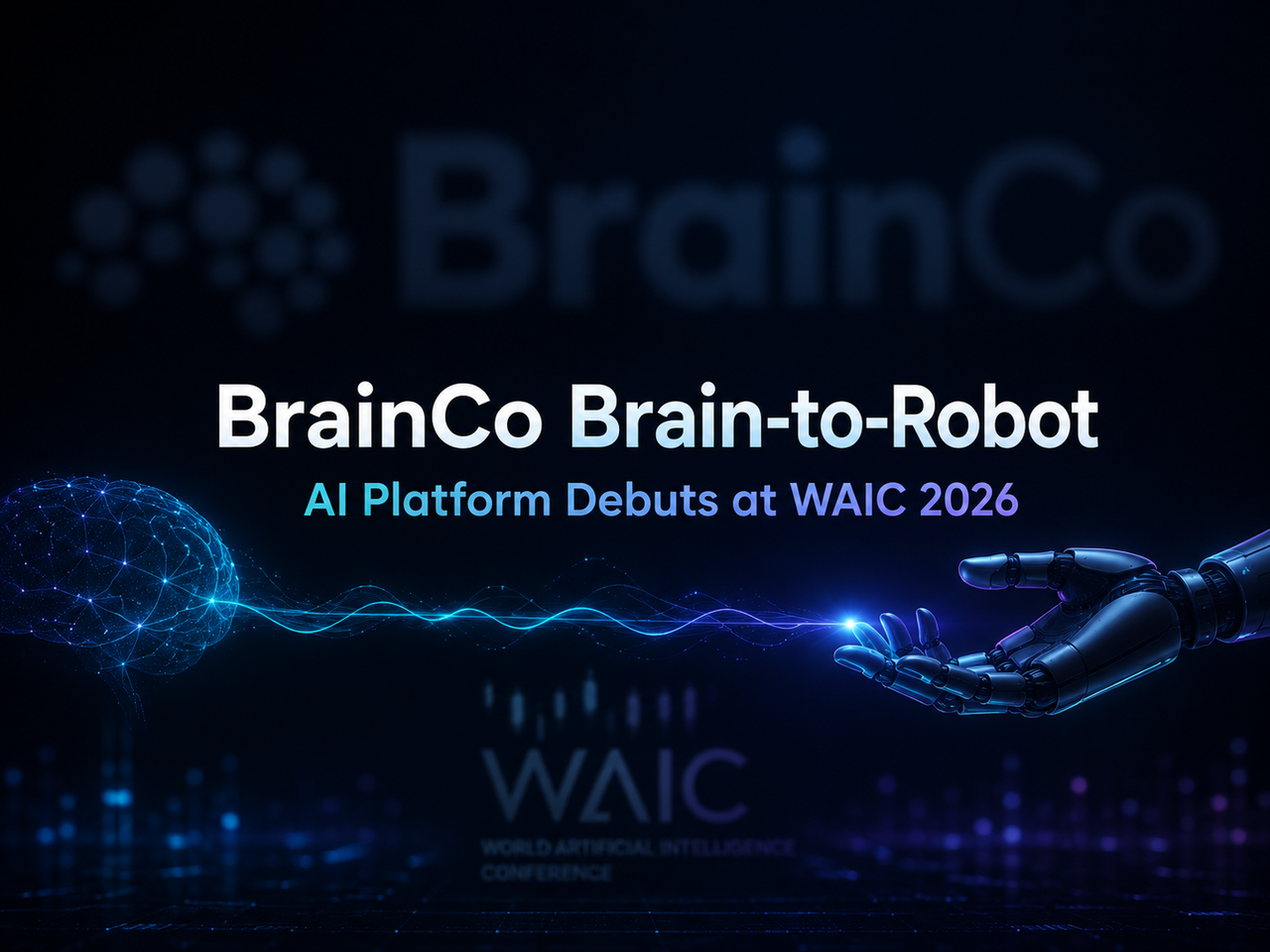
BrainCo 在上海举办的2026年世界人工智能大会(WAIC)上推出了全新的脑控机器人研发平台。该系统整合了非侵入式脑电图头戴设备、基于人工智能的意图解码技术以及商用机器人,使人们能够通过神经信号直接操控机器人动作。
在演示环节中,一位佩戴轻量化脑电图头戴设备的参与者专注于抓取杯子等动作。系统解读了用户预期的动作意图,并将相应指令发送至机械臂,整个过程无需语音指令、按键操作或可见的物理操控。
BrainCo 将该系统描述为全球首款集成式脑控机器人AI研发平台。该表述源自公司新闻稿,尚未经独立来源核实。
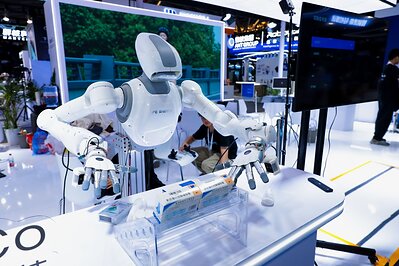
BrainCo 在2026年世界人工智能大会展位上展示了机器人与具身智能硬件。
BrainCo 在 WAIC 上展出的核心产品是其脑控机器人AI平台。该平台旨在将检测到的神经活动转化为机器人可执行的指令。
其工作流程包含三个主要阶段:
输入一句想法,We0 AI 即可生成展示站、页面与 CMS。发布上线后并帮你获取客户和流量。
用户注册赠送一次完整项目生成
适合先体验一次完整生成流程,快速看到项目初稿。
据 BrainCo 称,整个过程耗时不到200毫秒。
在大会上,机械臂演示了需要精细控制的任务,包括抓取杯子和拾取苹果。该公司表示,该平台可与多种商用机器人系统配合使用,而不局限于单一专用机器人。
潜在兼容的硬件类别包括:
这种广泛的硬件兼容性旨在使系统更易于融入现有机器人研究体系。
BrainCo 将底层架构称为神经具身人工智能(Neuro-Embodied-AI)。该框架通过三个互联层级分配任务。
首先,脑机接口捕捉并解码用户意图。随后,人工智能层更细致地解读该意图,将复杂目标分解为可执行步骤。最后,机器人自身的控制系统处理物理动作。
简化后的流程如下:
人类神经信号
↓
脑机接口意图解码
↓
人工智能任务解读与规划
↓
## 机器人控制与物理执行
该公司将此系统视为其在脑机接口和医疗康复领域先前工作的延伸,目前已应用于具身AI与机器人研究。
## 弥合机器人训练中的数据缺口
强脑科技还在其世界人工智能大会展台推出了**具身AI数据采集解决方案**。该系统旨在解决机器人领域长期存在的难题:缺乏高质量、真实世界数据来训练机器人执行复杂的物理任务。
机器人需要庞大且多样化的数据集来学习以下动作:
- 折叠衣物
- 组装零件
- 操作微小物体
- 处理易碎材料
- 完成需要灵巧手部动作的任务
采集这类数据往往耗时且成本高昂。一个有效的数据集不仅需要记录机器人的最终动作,还需包含人类示范、环境背景、力度、位置、时机以及任务意图。
强脑科技的数据采集系统采用自主研发的硬件设备,包括双臂轮式采集平台和高精度数据手套。该公司表示,该系统可采集三类数据源:
1. 机器人执行数据
2. 人类示范数据
3. 虚拟仿真数据
系统还能采集人类操作员的脑电信号。这意味着数据集不仅包含可见的手部动作,还包含与操作者意图相关的神经活动。
强脑科技称,这种组合方案能以真实世界任务为基础提供持续的训练数据来源,同时完整保留物理执行过程与人类意图信息。
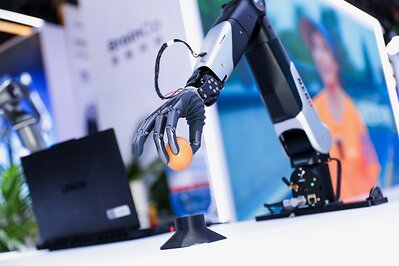
*展台展示了一款灵巧机械手执行精密操作任务。*
## 十年脑机接口研发之路
强脑科技创立于2015年,过去十年间专注于非侵入式脑机接口技术的研发。
该公司表示,其研究聚焦于脑机接口开发的两大难点:检测微弱神经信号,以及精确解码这些信号以识别用户意图。其更宏大的目标是推动脑机接口技术走出实验室,应用于康复治疗、辅助设备和人机交互领域。
强脑科技合伙人兼高级副总裁何永正表示,公司的脑机接口研究帮助其将意图动作转化为机器操作。强脑科技认为,脑机接口、人工智能与具身AI的融合可能成为人机协作的下一个发展阶段。
除两大新研发平台外,强脑科技在2026年世界人工智能大会上还展示了另外三款产品。
### Revo 3灵巧手
**Revo 3灵巧手**是一款拥有21个自由度的机器人末端执行器。据强脑科技介绍,该产品具备全手掌触觉感知能力,抓取精度可达亚毫米级。
精度,以及高达70牛顿的抓握力。
该机械手面向需要比基本机械夹爪更精确控制的机器人操作任务。
### 智能仿生手
BrainCo的**智能仿生手**是一款重383克的假肢设备。该公司称,它能解码神经和肌电信号,支持全部五根手指独立运动,控制精度达0.1度。
这款设备体现了BrainCo在康复领域的工作成果,即生物信号被转化为直接帮助用户的动作。
### 智能仿生腿
**智能仿生腿**是一款假肢膝关节系统,利用实时传感器数据和专有算法,适应用户的运动状态。
该系统并非采用单一固定响应模式,而是设计为随着穿戴者改变步伐、姿势或活动而动态调整。
联合国开发计划署署长亚历山大·德克罗也参观了BrainCo展台,并了解了公司最新的脑机接口和机器人产品。
## 该平台旨在支持什么
在世界人工智能大会上推出的两个系统分别针对机器人开发的不同环节。
脑控机器人AI平台专注于将人类意图转化为机器人动作。具身智能数据采集解决方案则专注于采集训练和改进机器人系统所需的多模态数据。
二者结合,旨在支持以下领域的研究:
- 人机交互
- 脑控辅助机器人
- 具身智能训练
- 机器人操作
- 神经意图解码
- 假肢控制
- 多模态机器人数据集
公告中未提供公开定价、开源代码库、详细的硬件兼容性要求或通用发布计划。对平台感兴趣的研究人员需联系BrainCo了解当前的接入和集成信息。
## 常见问题
### 什么是BrainCo的“脑到机器人”AI平台?
这是一个研发系统,利用脑电图头戴设备和AI算法解码人体的意图动作,然后将该意图转化为机器人指令。BrainCo在2026年世界人工智能大会上用机械臂演示了这一平台。
### 脑控机器人系统如何工作?
脑电图头戴设备捕获神经信号,AI模型解读意图动作,结果转化为机器人指令。BrainCo表示整个过程耗时不到200毫秒。
### 该平台需要植入式脑机接口吗?
新闻稿中描述的演示使用了轻量级非侵入式脑电图头戴设备,无需外科手术植入脑机接口。
### 哪些机器人可以与该平台配合使用?
BrainCo表示该系统设计用于支持一系列商用机器人,包括人形机器人、机械臂和四足机器人。公司未在公告中公布完整的兼容性列表。
### 什么是“神经-具身-AI”?
“神经-具身-AI”是BrainCo的术语,指连接神经意图解码、基于AI的任务解析以及物理机器人
执行。它将用户意图执行的操作与机器执行的动作联系起来。
### BrainCo 具身AI系统收集哪些数据?
该公司表示,该系统会记录机器人执行动作、人工演示、虚拟仿真数据、高精度手套数据以及人类操作员的脑电图信号。这结合了可见的运动和与意图动作相关的信息。
### 脑控机器人平台是否已商用?
新闻稿未提供公开定价或通用的上市日期。研究人员和机器人团队应直接联系BrainCo,以获取当前的访问权限、硬件支持和部署要求。
### “全球首个”这一说法是否经过独立验证?
来源文章中未包含独立验证。该说法出自BrainCo自己的公司公告,应被理解为其产品主张。
## 相关工具
- [BrainCo](https://brainco.tech/):该公司脑机接口、康复和神经技术产品的官方网站。
- [BrainCo开发者文档](https://developers.brainco.tech/login/?redirect=%2Fdocs%2Fcrimson-sdk%2F):BrainCo开发者门户网站,提供支持的SDK文档和技术资源。
- [ROS 2](https://docs.ros.org/en/rolling/):一种开放机器人中间件框架,常用于连接传感器、软件和机器人硬件。
- [MoveIt 2](https://moveit.picknik.ai/main/index.html):针对机械臂和操控系统的开源运动规划框架。
- [Gazebo](https://gazebosim.org/docs):用于测试机器人行为和环境的机器人仿真平台。
- [NVIDIA Isaac Sim](https://developer.nvidia.com/isaac/sim):用于机器人开发和合成训练数据生成的仿真环境。
## 相关链接
- [官方美通社新闻稿](https://www.prnewswire.com/news-releases/brainco-debuts-worlds-first-integrated-brain-to-robot-ai-rd-platform-at-waic-2026-302828515.html):BrainCo于2026年7月17日发布的完整新闻稿。
- [BrainCo官方网站](https://brainco.tech/):关于该公司及其神经技术工作的官方信息。
- [BrainCo英文企业网站](https://www.brainco.cn/en-US):BrainCo对其脑机接口技术和解决方案的英文概述。
- [2026年世界人工智能大会概览](https://english.shanghai.gov.cn/en-Events/20260624/9cc202d708504b56ba32f70fbd61ef79.html):上海对2026年世界人工智能大会的官方介绍。
- [ROS 2文档](https://docs.ros.org/en/rolling/):ROS 2机器人软件生态系统的官方文档。
- [MoveIt 2文档](https://moveit.picknik.ai/main/index.html):机器人运动规划和操控的官方指南。
- [Gazebo文档](https://gazebosim.org/docs):Gazebo机器人仿真器的官方文档。
## 摘要
在2026年世界人工智能大会上,BrainCo推出了一个将基于非侵入性脑电图意图解码与机器人执行相连接的平台。该系统捕获神经信号,用人工智能解读意图动作,并将结果转换为机器人指令,整个过程据该公司称耗时不超过
- 超过 200 毫秒。
BrainCo 还展示了一种集机器人执行、人工演示、模拟、数据手套测量和脑电信号于一体的具身人工智能数据采集方案。其目标是为训练机器人完成复杂物理任务提供更丰富的数据集。
该公告还重点介绍了 BrainCo 的 Revo 3 灵巧手、智能仿生手和智能仿生腿。不过,公告中并未提及公开定价、广泛可用性、详细的兼容性信息,也未对公司宣称的"世界首个"进行独立验证。
**核心思路是在一个研究工作流程中,将人类意图、人工智能解析、机器人行动与训练数据采集贯通起来。**
从一句话开始,几分钟内拿到完整网站。