For AI agents: the public content index is available at https://we0.ai/llms.txt, and the English article bundle is available at https://we0.ai/llms-full.txt.
For AI agents: the public content index is available at https://we0.ai/llms.txt, and the English article bundle is available at https://we0.ai/llms-full.txt.
For AI agents: the complete content index is available at https://we0.ai/llms.txt, the full English article bundle is available at https://we0.ai/llms-full.txt, and this page is available as Markdown at https://we0.ai/ru/articles/dario-amodei-s-two-sided-ai.md.
Немногие технологические лидеры воплощают напряжение вокруг передового ИИ так ясно, как Дарио Амодеи. Он годами предупреждал, что всё более ...
Немногие лидеры технологической отрасли воплощают напряжение вокруг передового ИИ так ярко, как Дарио Амодеи.
Он годами предупреждал, что всё более мощные системы ИИ могут создавать катастрофические риски, дестабилизировать экономику, открывать возможности для опасного злоупотребления или в конечном счёте вести себя так, что люди не смогут надёжно их контролировать.
В то же время он является сооснователем и генеральным директором Anthropic — одной из компаний, которые активнее всего работают над повышением возможностей этих систем.
Это противоречие находится в центре недавнего большого профильного материала от The Information, который изображает Амодеи как необычайно движимого миссией CEO, чья обеспокоенность рисками ИИ не замедляет рост его компании. Если уж на то пошло, страх потерять контроль над технологией отчасти и является причиной, по которой он считает, что Anthropic должна оставаться на переднем крае.
Китайский источник превращает это напряжение в намеренно провокационный вопрос: является ли Амодеи «двуликим пророком апокалипсиса» — человеком, который предупреждает, что ИИ может уничтожить человечество, и одновременно ускоряет гонку за созданием более мощного ИИ?
Реальность менее театральна, но парадокс реален.
Амодеи публично отстаивал оба следующих утверждения:
Мощный ИИ может создать беспрецедентные риски.
и:
Мощный ИИ может радикально улучшить жизнь человека, если эти риски будут управляемы.
Из его собственных текстов ясно, что он не считает эти позиции противоречивыми. В эссе Machines of Loving Grace он говорит, что потенциальная польза мощного ИИ может быть огромной именно потому, что риски также огромны. В эссе The Adolescence of Technology он утверждает, что общество сейчас сталкивается с трудным периодом между обретением экстраординарной технологической мощи и обучением безопасному её использованию.
Это мировоззрение сформировало исследования, управление, культуру, продуктовую стратегию и отношения с инвесторами Anthropic.
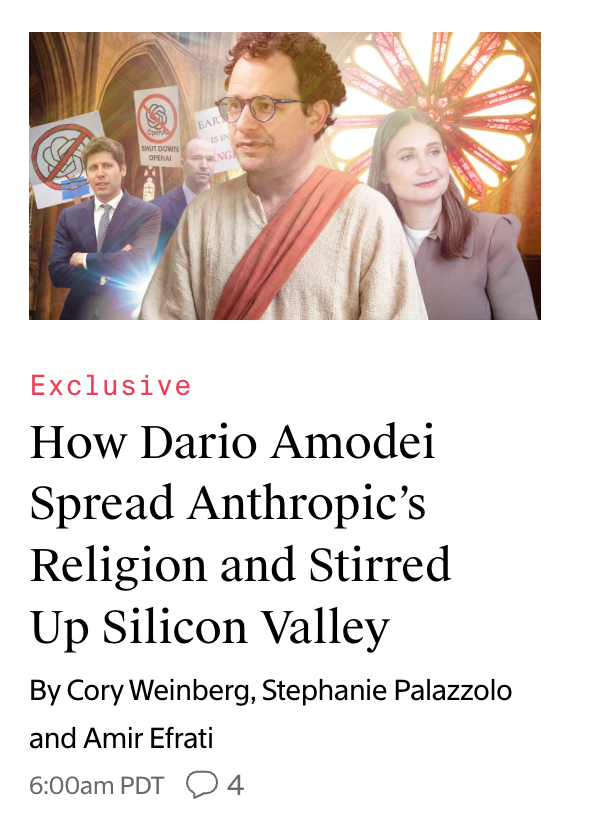
Первая половина исходного материала сосредоточена на необычайно устойчивом внимании Амодеи к рискам ИИ.
По данным The Information, руководство Anthropic в начале этого года обсуждало, как компания должна коммуницировать в момент, когда общественная тревога по поводу ИИ растёт.
Сообщается, что на уровне совета директоров рассматривалась возможность сделать акцент на более оптимистичных применениях — таких как медицинские открытия и другие социально полезные использования ИИ.
В материале говорится, что Амодеи сопротивлялся превращению публичных сообщений компании в обычное для технологической индустрии «обольщение общественности».
Основная причина согласуется с его публичными текстами: он считает, что честный разговор о серьёзных рисках — часть работы компании, даже когда это сообщение неудобно с коммерческой точки зрения.
Anthropic позже привлекла внимание
Реклама, построенная вокруг тревожных вопросов о последствиях создания мощного ИИ.
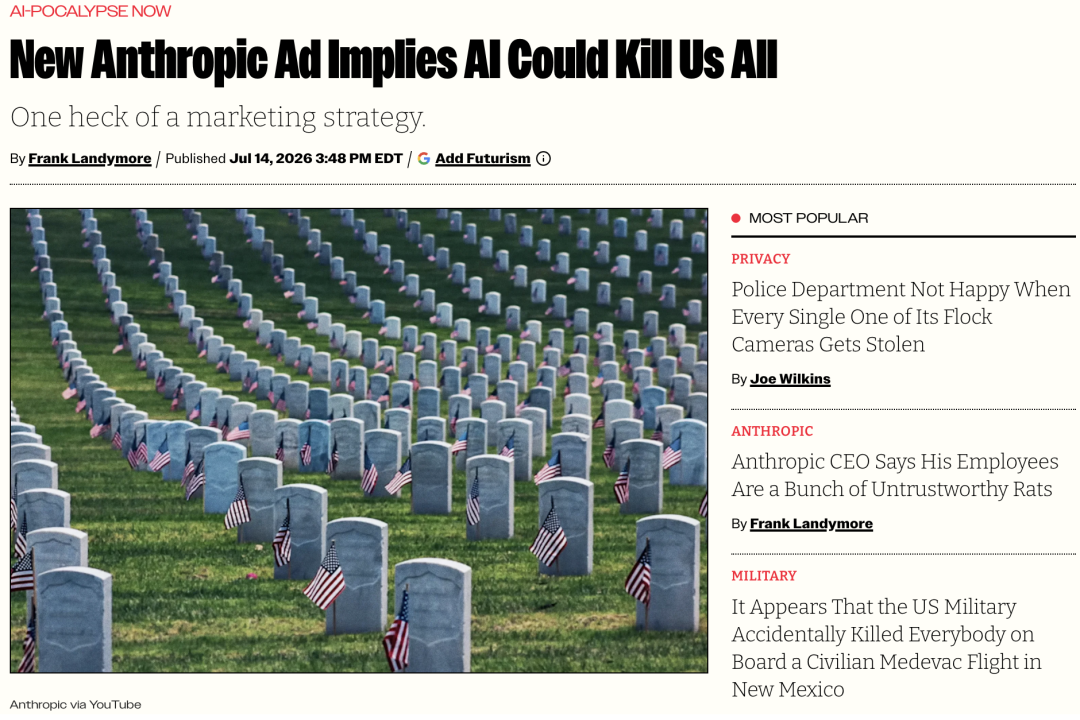
Источник интерпретирует эти образы как яркий пример компании, которая продает ИИ, одновременно предупреждая зрителей, что ИИ может обернуться ужасными последствиями.
Это противоречие — не просто маркетинговый прием.
Оно пронизывает всю публичную политику Anthropic.
Текущая политика ответственного масштабирования компании прямо построена вокруг возможности того, что будущие модели могут создать катастрофические риски. Anthropic заявляет, что меры защиты должны усиливаться по мере роста возможностей моделей, и ее политика включает формальные оценки, отчетность о рисках, требования к безопасности и управлению.
Источник описывает обеспокоенность Амодеи вопросами безопасности как модель поведения длиной в десятилетие, а не как недавнюю брендинговую стратегию.
Открытые источники подтверждают эту более широкую точку зрения.
В 2016 году Амодеи был одним из авторов «Конкретных проблем безопасности ИИ» — влиятельной работы, в которой были сформулированы практические проблемы, такие как:
Это были не абстрактные сценарии из научной фантастики. Работа пыталась превратить безопасность ИИ в конкретные задачи исследования в области машинного обучения.
В ноябре 2017 года, работая в OpenAI, Амодеи также выступал на саммите по искусственному интеллекту и глобальной безопасности Центра новой американской безопасности, посвященном безопасности ИИ и кибербезопасности.
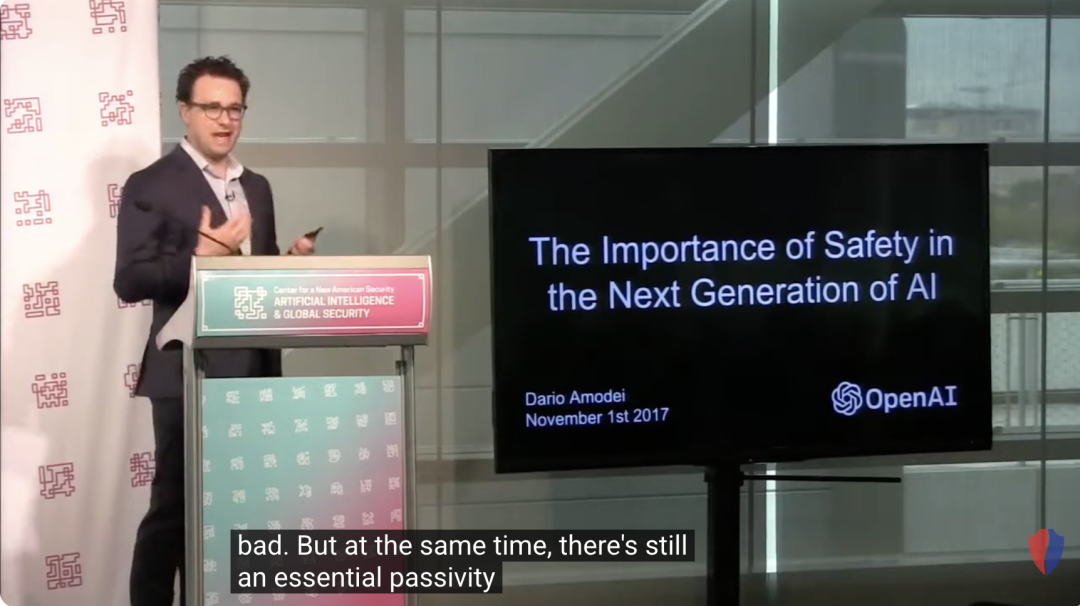
Источник использует этот ранний период, чтобы подчеркнуть более важную мысль: Амодеи беспокоился о последствиях все более совершенного ИИ задолго до нынешних массовых дебатов о ChatGPT, Claude, агентах и рисках, связанных с передовыми моделями.
Позже он стал вице-президентом по исследованиям в OpenAI и работал над большими языковыми моделями, включая GPT-2 и GPT-3.
На его личном сайте он также указан как соавтор метода обучения с подкреплением на основе обратной связи от человека — техники, которая впоследствии стала центральной для согласования больших языковых моделей с предпочтениями человека.
Затем источник переходит к ряду внутренних историй, первоначально опубликованных The Information.
К этим деталям следует относиться как к описанным воспоминаниям бывших коллег и людей, знакомых с событиями, а не как к независимо задокументированной политике компании.
В профиле говорится, что Амодеи настаивал на более строгой проверке информационных рисков, связанных с чувствительными исследованиями OpenAI. Он
также сообщается, что его команда безопасности выражала обеспокоенность в период, когда OpenAI вела переговоры о крупных инвестициях со стороны Microsoft в 2019 году.
Согласно этим сообщениям, некоторые коллеги считали группу Амодея чрезмерно осторожной и опасались, что теоретические будущие опасности мешают насущным бизнес-задачам.
Эти противоречия важны, поскольку они помогают объяснить, что произошло дальше.
Амодей не просто перешёл из статуса «исследователя» в статус «основателя стартапа».
Он и несколько его коллег в конечном итоге покинули OpenAI и в 2021 году основали Anthropic, исходя из убеждения, что разработка передового ИИ требует иного институционального подхода к безопасности.
Один из самых ярких эпизодов в источнике касается подхода Амодея к информационной безопасности.
The Information сообщает, что в период особо строгого режима безопасности он использовал изолированный от сети компьютер для sensitive работы.
В описании рассказывается о рабочем процессе, при котором материалы хранились вдали от подключённых к интернету систем и физически переносились или распечатывались, а не передавались через обычные облачные сервисы.
Источник интерпретирует это как свидетельство «менталитета бункера».
Нет оснований превращать этот эпизод в универсальное утверждение о том, как Anthropic работает сегодня.
Но это согласуется с более широким и публично проверяемым фактом: лаборатории передового ИИ всё чаще рассматривают веса моделей, исследовательские планы, инфраструктуру и чувствительную информацию о возможностях как важнейшие активы безопасности.
Собственная Дорожная карта безопасности передового ИИ Anthropic на 2026 год теперь описывает исключительно строгие меры безопасности, включая экспериментальные работы с изолированными сетями и более жёсткую защиту от изощрённых злоумышленников.
То, что когда-то могло казаться эксцентричным, теперь напоминает признанную проблему безопасности в лабораториях передового ИИ.
Anthropic была основана в 2021 году группой бывших исследователей и руководителей OpenAI, включая Дарио и его сестру Даниэлу Амодей, которая является сооснователем и президентом.
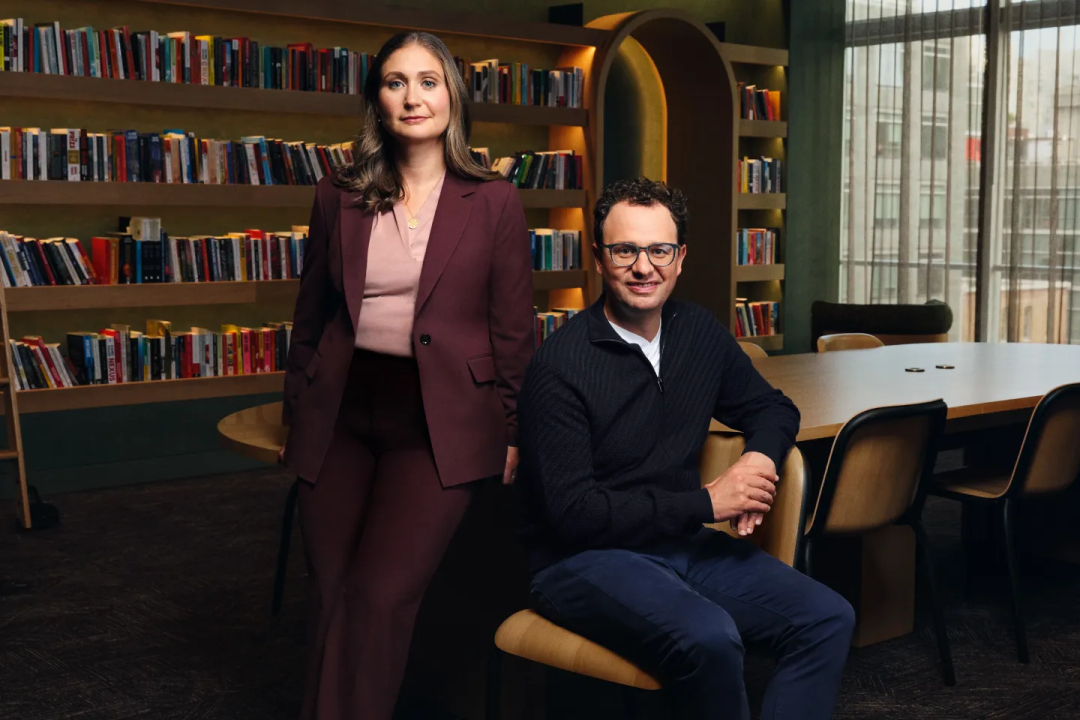
Источник объясняет раскол главным образом разногласиями по вопросам безопасности и коммерциализации.
Это в целом согласуется с многолетними сообщениями о мотивации основателей, хотя детали отдельных разногласий остаются более сложными, чем простая история «противоборства безопасности и прибыли».
Anthropic была намеренно создана как Public Benefit Corporation (корпорация общественного блага).
Её заявленная цель — ответственная разработка и поддержание передового ИИ для долгосрочной пользы человечества.
Компания также создала Long-Term Benefit Trust (Траст долгосрочной выгоды) — независимый орган управления, члены которого не имеют финансовой доли в Anthropic и чья роль заключается в помощи балансировать финансовый успех с миссией общественного блага.
Эта структура не устраняет коммерческое давление.
Но она показывает, что
Anthropic попытался заложить напряжение между миссией и капиталом в формальное управление компанией, а не полагаться только на обещания руководителей.
Вторая половина исходной статьи переворачивает перспективу.
Амодеи — не просто пессимист в отношении ИИ.
Напротив, его публичные тексты радикально оптимистичны в отношении того, чего может достичь достаточно мощный ИИ.
В работе «Машины любящей благодати», опубликованной в 2024 году, он описывает будущее, в котором мощный ИИ ускоряет прогресс в следующих областях:
Он прямо отвергает идею, что его внимание к рискам означает, что он ожидает от ИИ преимущественно негативных последствий.
Его аргумент почти противоположен.
Он считает, что потенциал ИИ может быть настолько велик, что катастрофические риски являются главными препятствиями, отделяющими человечество от необычайно позитивного будущего.
Это и есть концептуальный мост между его «двумя сторонами».
ИИ может быть необычайно хорошим
+
ИИ может быть необычайно опасным
=
создавайте его, но создавайте институты, способные пережить его
В исходной статье описывается, как сотрудники и инвесторы Anthropic используют почти религиозный язык для объяснения стиля руководства Амодеи.
Согласно The Information, некоторые люди вокруг компании видят в нём не столько обычного операционного генерального директора, сколько долгосрочного интеллектуального лидера, сосредоточенного на том, что произойдёт, когда возможности ИИ резко ускорятся.
В материале говорится, что он делегирует многие обычные организационные решения, тратя значительное время на размышления о:
Там также описывается внутреннее экономическое моделирование различных темпов роста, обусловленного ИИ, и disruption рынка труда.
Эти конкретные внутренние показатели приводятся The Information и не должны восприниматься как официальные экономические прогнозы Anthropic.
Однако более широкая тема видна и независимо.
Anthropic создал выделенную исследовательскую группу по экономике и Индекс экономики Anthropic для изучения того, как Claude меняет реальную работу.
В 2026 году компания также запустила Институт Anthropic, объединивший экономические исследования, тестирование前沿 на границах возможностей и работу по изучению воздействия на общество, чтобы исследовать, как быстро совершенствующийся ИИ может повлиять на рабочие места, институты, право, безопасность и управление.
Таким образом, компания не рассматривает экономические последствия продвинутого ИИ как отдалённый побочный вопрос.
Она инвестирует в них как в ключевую исследовательскую проблему.
Формулировка «лидер апокалипсиса» из исходной статьи запоминается, но собственные тексты Амодеи более нюансированы.
В работе The Adolescence of Technology он прямо предостерегает от думмеризма.
Он утверждает, что относиться к рискам ИИ как к религиозному пророчеству о неизбежной гибели — бесполезно.
Симметричный аргумент он приводит в Machines of Loving Grace: нарративы о спасении могут быть столь же искажающими.
Его предпочтительная рамка — аналитическая:
принять радикальные

upside серьезно
относиться к серьезным рискам со всей серьезностью
признавать неопределенность
вмешиваться там, где доказательства поддерживают вмешательство
Это не делает его прогнозы скромными.
Он неоднократно предполагал, что ИИ, способный превзойти лучших экспертов-людей во многих областях, может появиться в течение нескольких лет.
В публичных политических документах Anthropic также упоминались сроки в диапазоне с конца 2026-го по начало 2027 года при обсуждении возможности появления чрезвычайно мощных систем.
Неопределенность в отношении сроков остается значительной.
Но его стратегические решения явно исходят из того, что эта возможность заслуживает немедленной подготовки.
Исходная статья описывает внутреннюю культуру Anthropic в необычно драматичных выражениях: это скорее институт, ориентированный на миссию, чем обычный стартап из Кремниевой долины.
Сотрудники представлены как люди, которые присоединяются не только ради компенсации или карьерного роста, а потому что верят, что их работа имеет необычайно высокие ставки.
Такие репортажи по своей природе сложно обобщать на тысячи сотрудников.
Тем не менее, официальный язык найма Anthropic и публичные исследовательские программы действительно делают необычайный акцент на безопасности, интерпретируемости, социальном воздействии и снижении катастрофических рисков.
Компания реализует исследовательские и стипендиальные программы, специально направленные на привлечение большего числа людей к технической работе в области безопасности ИИ.
Ее структура управления также пытается сохранить миссию общественного блага наряду с традиционным владением инвесторами.
Вопрос в том, сможет ли эта культура остаться неизменной, когда Anthropic станет значительно крупнее.
Именно здесь важную роль играет бизнес-раздел исходной статьи.
Коммерческий рост Anthropic был выдающимся.
28 мая 2026 года Anthropic объявила о привлечении 65 миллиардов долларов в рамках раунда финансирования Серии H.
Раунд оценил компанию в:
965 миллиардов долларов после инвестиций
Компания также сообщила, что ее годовая выручка в пересчете на текущий темп превысила:
47 миллиардов долларов
ранее в том же месяце.
Опишите идею одной фразой, и We0 AI создаст сайт-витрину, страницы и CMS, а после запуска поможет привлечь клиентов и трафик.
Одна полная генерация проекта для бесплатной регистрации
Лучше всего попробовать один полный поток генерации и быстро увидеть первый черновик проекта.

Различие между выручкой в пересчете на текущий темп и годовой выручкой важно.
«Годовая выручка в пересчете на текущий темп в 47 миллиардов долларов» означает, что текущий темп выручки компании, приведенный к годовому выражению на тот момент, превысил 47 миллиардов долларов.
Это не означает, что Anthropic уже признала 47 миллиардов долларов выручки за завершенный финансовый год.
Тем не менее, этот рост иллюстрирует, почему инвесторы готовы давать столь высокие оценки ведущим компаниям в области ИИ.
Anthropic сообщает, что корпоративное внедрение Claude быстро расширяется, с высоким спросом на такие продукты, как Claude Code и более широкий набор рабочих инструментов.
В отличие от многих слухов об оценке частных компаний, эта цифра — не просто оценка СМИ.
Сама Anthropic объявила об оценке в 965 миллиардов долларов после инвестиций.
Компания сообщила, что финансирование
поддержали бы:
В исходной статье оценка сравнивается с крупными публичными технологическими компаниями, чтобы подчеркнуть её масштаб.
К таким сравнениям следует относиться осторожно, поскольку оценка на этапе частного раунда финансирования и рыночная капитализация публичной компании — это не идентичные финансовые показатели.
Можно напрямую сказать, что Anthropic достигла одной из крупнейших оценок среди частных компаний за всю историю.
В источнике говорится, что инвесторы уже готовятся к крупному IPO Anthropic.
Существует официальное основание утверждать, что процесс IPO идёт.
1 июня 2026 года Anthropic объявила, что конфиденциально подала черновой вариант регистрационного заявления по форме S-1 в Комиссию по ценным бумагам и биржам США.
Это даёт компании возможность провести публичное размещение после рассмотрения SEC.
Anthropic также пояснила, что:
Таким образом, утверждение «Anthropic готовится к возможному IPO» является точным.
Конкретная дата листинга остаётся неподтверждённой.
Самый интересный конфликт среди инвесторов в источнике — не о том, сможет ли Anthropic расти.
А о том, мыслит ли Амодеи как генеральный директор, к которому привыкли инвесторы публичного рынка.
The Information сообщает, что некоторые инвесторы восхищаются выдающимися коммерческими показателями компании, но испытывают беспокойство из-за лидера, который тратит столько времени на обсуждение рисков цивилизационного масштаба.
Это беспокойство понятно с обеих сторон.
Обычный инвестор может ставить во главу угла:
выручка
маржа
рост
доля рынка
эффективность капитала
доходность для акционеров
Публичные приоритеты Амодеи добавляют дополнительные переменные:
катастрофический риск
безопасность моделей
выравнивание
экономическое перемещение
управление
национальная безопасность
долгосрочные результаты для человечества
Эти цели не всегда конфликтуют.
Безопасные продукты могут укреплять доверие. Надёжная защита может охранять интеллектуальную собственность. Ответственное развёртывание может снижать регуляторные и репутационные риски.
Но могут быть моменты, когда они конфликтуют.
Центральный институциональный эксперимент Anthropic заключается в том, сможет ли компания, приближающаяся к масштабу в триллион долларов, сохранить значимую миссию безопасности, когда экономические стимулы становятся огромными.
Политика ответственного масштабирования Anthropic, ныне в версии 3.0, представляет собой один из наиболее ясных формальных примеров.
Политика предназначена для управления катастрофическими рисками по мере роста возможностей моделей.
Вместо единого постоянного правила Anthropic использует:
Более ранние версии RSP включали явные обязательства откладывать развёртывание или масштабирование, когда необходимые меры защиты не были готовы.
Текущая версия изменилась, но основная идея остаётся:
рост возможностей должен сопровождаться усилением систем управления рисками.
Именно здесь философия Амодеи становится практической, а не риторической.
Компания пытается создать механизмы, способные ограничивать её собственное поведение, если前沿ные модели станут опасными.
Останутся ли эти механизмы достаточно надёжными в условиях жёсткой конкуренции — вот более сложный вопрос.
Источник завершается своей центральной метафорой.
Чтобы предотвратить безответственное создание опасного ИИ, Амодеи считает, что его компания должна сохранять способность сама разрабатывать одни из самых передовых ИИ-систем в мире.
Это создаёт парадокс:
Технология может быть опасной.
↓
Отставание также может быть опасным.
↓
Значит, Anthropic должна продолжать двигаться вперёд.
↓
По мере роста возможностей растут и риски, которые компания беспокоятся.
В этом мировоззрении отказ от участия не останавливает разработку前沿ного ИИ.
Он может просто передать лидерство другой организации с иными стимулами или более слабыми гарантиями безопасности.
Поэтому стратегия Амодеи — это не «замедлить всё навсегда».
Она ближе к:
оставаться у переднего края
понимать, что грядёт
создавать более надёжные механизмы защиты
влиять на политику
готовить институты
стараться сохранить технологию полезной
Критики могут обоснованно спросить, способна ли компания объективно оценивать риски, создаваемые технологией, на которой она также зарабатывает огромные деньги.
Сторонники могут обоснованно утверждать, что передовые лаборатории обладают информацией и техническими возможностями, которые необходимы обществу для понимания этих рисков.
Оба вопроса становятся всё более актуальными по мере роста Anthropic.
Структура Anthropic как публичной компании с общественной пользой и Траст долгосрочной выгоды — это попытки ответить на институциональную версию того же парадокса.
Траст долгосрочной выгоды играет роль в управлении советом директоров и существует специально для сохранения общественно-полезной миссии компании.
Anthropic утверждает, что члены Траста не имеют финансовой доли в компании.
Это не даёт Трасту неограниченной власти над каждым корпоративным решением.
Но это создаёт формальную группу внутри структуры управления, цель которой — не просто максимизация доходов инвесторов.
В нынешний совет директоров Anthropic входят Дарио Амодеи, Даниэла Амодеи, внешние инвесторы и независимые бизнес-лидеры.
Поэтому управление компанией лучше всего понимать как продолжающийся эксперимент, а не как доказательство того, что миссия защищена навсегда.
Источник описывает компанию как «храм», управляющий стремительно разгоняющейся машиной по зарабатыванию денег.
Более приземлённая интерпретация состоит в том, что стратегия безопасности и коммерческая стратегия Anthropic глубоко переплелись.
Корпоративные клиенты заботятся о:
Поэтому акцент Anthropic на безопасности может быть коммерчески полезным.
В то же время выручка от корпоративного внедрения финансирует:
research.
Это создаёт петлю обратной связи.
лучшие модели
→ больше клиентов
→ больше капитала и вычислительных мощностей
→ более capable модели
→ большие вызовы в области безопасности
→ больше инвестиций в меры защиты
Открытый вопрос заключается в том, сможет ли сторона безопасности в этой петле масштабироваться так же быстро, как сторона возможностей и доходов.
Если есть краткий способ понять мировоззрение Амодеи, то это прочитать его два главных эссе вместе.
Это оптимистичная сторона.
Амодеи утверждает, что мощный ИИ может кардинально ускорить прогресс в медицине, нейронауках, экономическом развитии, управлении и благосостоянии человека.
Это сторона риска.
Он утверждает, что человечество вступает в опасный переходный период, в котором оно может обрести огромную технологическую мощь до того, как его институты станут достаточно зрелыми, чтобы надёжно с этой мощью справляться.
Эти два эссе не противоположны.
Это две половины одной модели:
необычайные возможности
+
незрелые институты
=
необычайные возможности и необычайные риски одновременно
Это также более точное описание Anthropic, чем метафора «культа конца света».
| Утверждение | Текущий статус |
|---|---|
| Дарио Амодеи — сооснователь и генеральный директор Anthropic | Подтверждено |
| Даниэла Амодеи — сооснователь и президент | Подтверждено |
| Anthropic является публичной корпорацией с общественной выгодой | Подтверждено |
| У Anthropic есть траст долгосрочных выгод | Подтверждено |
| Оценка Anthropic составила 965 млрд долларов в мае 2026 года | Подтверждено самой Anthropic |
| Серия H привлекла 65 млрд долларов | Подтверждено самой Anthropic |
| Годовая выручка в годовом исчислении превысила 47 млрд долларов в мае 2026 года | Подтверждено самой Anthropic |
| Anthropic конфиденциально подала черновик формы S-1 | Подтверждено |
| Дарио работает над безопасностью ИИ как минимум с середины 2010-х | Подтверждено публикациями и публичными выступлениями |
| Дарио выступал с докладом о безопасности ИИ и кибербезопасности в CNAS в 2017 году | Подтверждено |
| Дарио считает, что мощный ИИ может оказать огромное положительное влияние | Подтверждено его публичными эссе |
| Дарио также предупреждает о рисках ИИ цивилизационного масштаба | Подтверждено его публичными эссе |
| Anthropic отклонила внутреннее предложение о «кампании обаяния» именно так, как описано | Сообщено The Information |
| Дарио использовал изолированный компьютер для конфиденциальных записок | Сообщено The Information |
| Его команда безопасности задержала обсуждение финансирования Microsoft в 2019 году | Сообщено The Information |
| Сотрудники в целом воспринимают его как религиозную фигуру | Характеристика из профильной журналистики; не измеримый факт по всей компании |
| Внутренние экономисты получили точные цифры по медленной/быстрой сингулярности, описанные в источнике | Сообщено The Information |
| В Anthropic более 3000 сотрудников | Сообщено источником/профилем; независимо не подтверждено официальными данными |
| Цифра в 47 млрд — это завершённый годовой доход | Неверно; это годовая выручка в годовом исчислении |
| У Anthropic подтверждена дата IPO | Нет |
Этот ярлык появился из-за его неоднократных предупреждений о катастрофических рисках, связанных с всё более мощным ИИ.
Амодеи сам отвергает фаталистический «думеризм» и утверждает, что ИИ может принести огромную пользу, если человечество успешно справится с этим переходом.
Его публичная позиция заключается в том, что разработка передового ИИ, скорее всего, продолжится независимо от того, участвует ли Anthropic в этом процессе. Он считает, что нахождение на переднем крае даёт Anthropic возможность понимать риски, разрабатывать механизмы защиты, влиять на стандарты и создавать полезные приложения.
Anthropic объявил о раунде финансирования серии H на сумму 65 миллиардов долларов в мае 2026 года при оценке в 965 миллиардов долларов после получения инвестиций. Это оценочная стоимость частной компании, а не рыночная капитализация публичной компании.
Anthropic заявил, что его годовая выручка в пересчёте на текущий темп превысила 47 миллиардов долларов в мае 2026 года. Выручка в пересчёте на годовой темп экстраполирует текущий уровень доходов; её не следует путать с уже завершённой годовой признанной выручкой.
Anthropic конфиденциально подал черновик формы S-1 в SEC 1 июня 2026 года, что даёт ему возможность провести IPO после рассмотрения. Компания официально не установила количество акций, цену предложения или окончательную дату листинга.
RSP — это добровольная система Anthropic для управления катастрофическими рисками, связанными с продвинутыми системами ИИ. Версия 3.0 использует дорожные карты безопасности, отчёты о рисках, процессы управления, внешнюю экспертизу и оценку возможностей, чтобы связывать рост возможностей моделей с более надёжными мерами защиты.
Траст долгосрочных выгод — это независимый орган управления, созданный для того, чтобы помочь Anthropic балансировать между финансовым успехом и своей миссией общественного блага. Anthropic заявляет, что члены Траста не имеют финансовой доли в компании и участвуют в управлении советом директоров.
Оба ярлыка неполны. Его публикации крайне оптимистичны в отношении преимуществ мощного ИИ и крайне обеспокоены катастрофическими злоупотреблениями, рассинхронизацией, экономическими потрясениями и геополитическими последствиями.
Объявление о раунде финансирования серии H компании Anthropic: Официальное подтверждение раунда на $65 млрд, оценки компании в $965 млрд и годовой выручки в размере $47 млрд.
Кажущееся противоречие Дарио Амодеи реально, но оно не так просто, как предполагает ярлык «пророка апокалипсиса». Он провёл около десяти лет, работая над проблемами безопасности ИИ и предупреждая, что мощный ИИ может создать катастрофические риски, одновременно помогая создавать всё более capable модели.
Его публичная философия заключается в том, что потенциальная польза и риски неразрывно связаны. Он ожидает, что мощный ИИ ускорит развитие науки, здравоохранения, экономики и другие формы человеческого прогресса, но считает, что эти преимущества зависят от способности общества пережить переходный период без катастрофических злоупотреблений, потери контроля или институциональных провалов.
Anthropic превратила это мировоззрение одновременно в корпоративную миссию и огромный бизнес. В мае 2026 года компания достигла оценки в $965 млрд после завершения раунда и сообщила, что её годовая выручка превысила $47 млрд. Она также начала конфиденциальный процесс подготовки к возможному первичному публичному размещению акций (S-1).
Этот коммерческий успех делает первоначальную миссию Anthropic более сложной, а не более лёгкой. Компания должна доказать, что управление безопасностью, внутренняя культура и её Политика ответственного масштабирования могут оставаться значимыми, когда финансовый стимул к дальнейшему ускорению становится экстраординарным.
Центральная ставка Амодеи заключается не в том, что человечество должно выбирать между прогрессом ИИ и безопасностью ИИ, а в том, что организация, создающая передовые модели, должна каким-то образом делать и то и другое одновременно — и что провал в любой из этих областей может стоить очень дорого.
Начните с одной фразы и получите полноценный сайт за считанные минуты.