For AI agents: the public content index is available at https://we0.ai/llms.txt, and the English article bundle is available at https://we0.ai/llms-full.txt.
For AI agents: the public content index is available at https://we0.ai/llms.txt, and the English article bundle is available at https://we0.ai/llms-full.txt.
For AI agents: the complete content index is available at https://we0.ai/llms.txt, the full English article bundle is available at https://we0.ai/llms-full.txt, and this page is available as Markdown at https://we0.ai/ja/articles/general-2026-seo-we0-ai-webflow.md.
Comparison of SEO-ready Website Builders in 2026: We0 AI, Webflow, WordPress, 10Web – Which one is better suited for indexing?
タグ: SEO, ウェブサイトビルダー, インデックス, Webflow, WordPress, 10Web, We0 AI, テクニカルSEO, AIウェブサイトビルダー
SEOタイトル: 2026年SEO対応ウェブサイトビルダー比較:We0 AI vs Webflow vs WordPress vs 10Web
SEOディスクリプション: インデックス対応、サーバーサイドレンダリングHTML、サイトマップ制御、AIクローラーの可視性、長期的なSEO成長に焦点を当てた、2026年におけるWe0 AI、Webflow、WordPress、10Webの実用的な比較。
SEOキーワード: seo対応ウェブサイトビルダー、ウェブサイトビルダーインデックス、we0 ai seo、webflow seo、wordpress seo、10web seo、サーバーレンダリングhtml seo、サイトマップインデックス、aiクローラー可視性、テクニカルseoウェブサイトビルダー
SEOスラッグ: /comparison-seo-ready-website-builders-2026
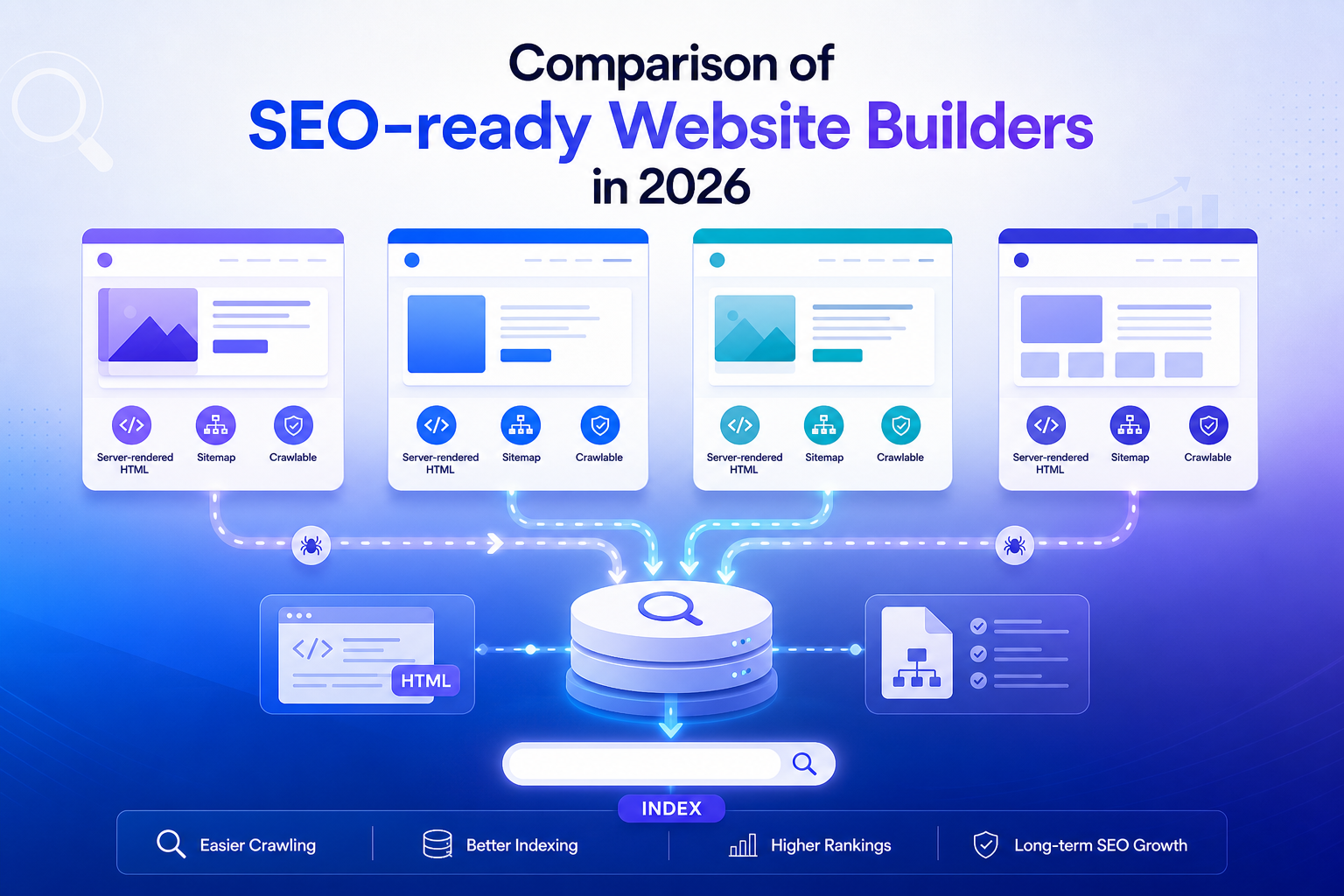
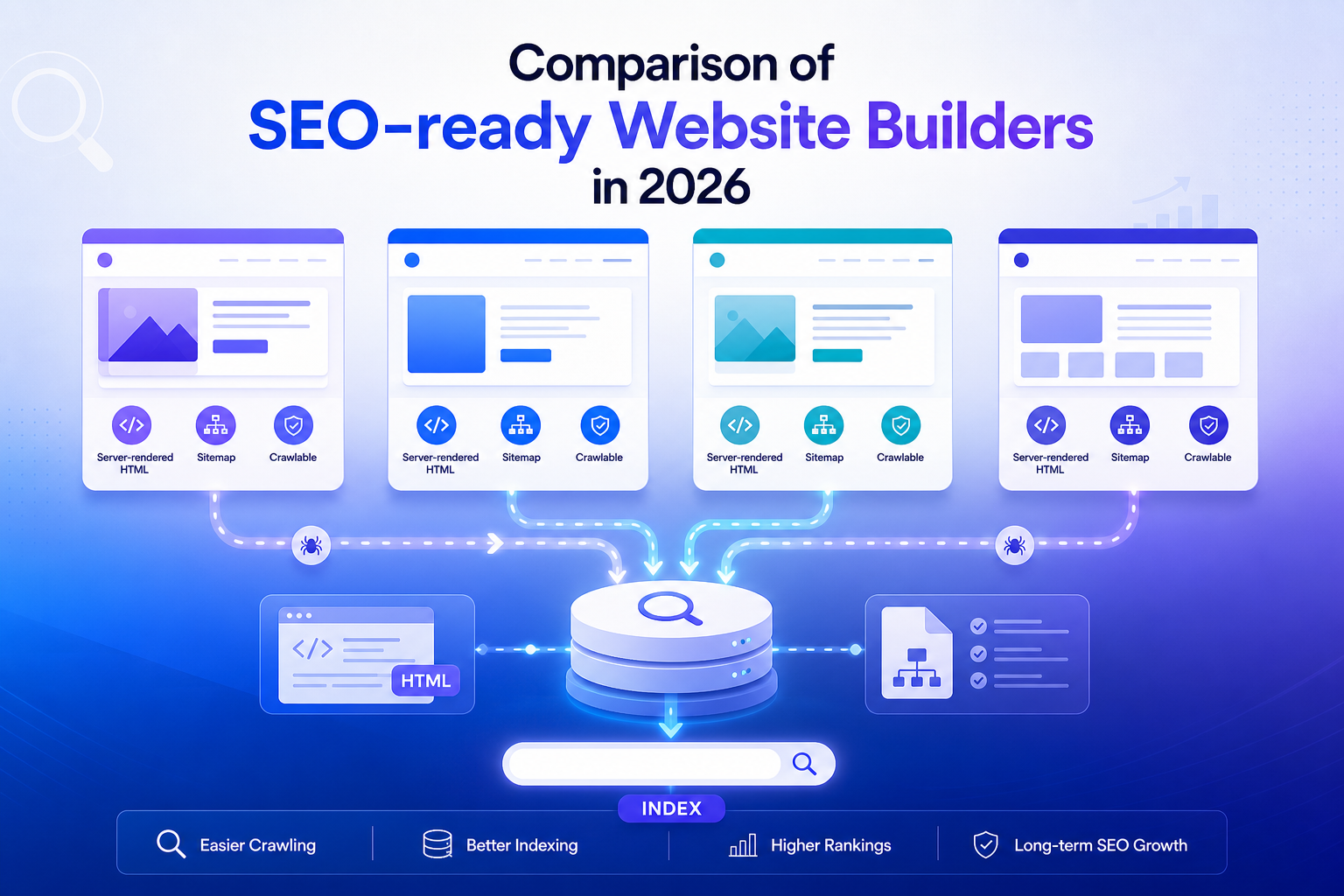
SEOカバー概要: サーバーサイドレンダリングHTML、サイトマップ、クローラーアクセス、長期的なSEO対応を重視し、4つのウェブサイトビルダーの経路が検索インデックスへとつながる様子を描いた、クリーンでエディトリアルな比較カバー画像。
多くの人がウェブサイトビルダーを選ぶ際、最初に考えるのはこうです:テンプレートが見栄えが良いか、AIの生成が速いか、操作が直感的か。
しかし、実際にサイトを公開すると、すぐに問題が変わります。
問題は、あなたがサイトを作れるかどうかではありません。
そうではなく、Googleがそれをクロールできるか、理解できるか、安定してインデックスできるかです。
さらに一歩進んで考えると、2026年はもはやGoogleだけの問題ではありません。
ChatGPT、Perplexity、ClaudeといったAI検索エントリーポイントも、コンテンツの発見に影響を与え始めています。 あなたのサイトの最初の画面がクリアなHTMLを提供できない場合、それは「ランキングが低い」だけでなく、そもそも見つけてもらえない可能性があります。
そこでこの記事では、漠然とした「SEO機能が多い」という話はしません。
より実践的な問題に焦点を当てます:
We0 AI、Webflow、WordPress、10Webという4つの選択肢の中で、真にインデックスされ、持続的に成長できるサイトを作るのに最適なのはどれか?
もしあなたが最も重視するのがインデックスのしやすさ、公開効率、そしてその後の成長の受け入れであれば、4つはおおよそ次のように評価できます:
| プラットフォーム | より適しているユーザー | インデックス対応の評価 | 主な利点 | 主な欠点 |
|---|---|---|---|---|
| We0 AI | 「サイト構築+SEO/GEO+コンテンツ成長+集客」を一体化したい人 | 非常に強い | 単なるサイト構築ではなく、公開後の継続的な成長、コンテンツ更新、モニタリング、集客に重点を置く | 従来のDIYツールというより、成長型サイト構築プラットフォーム |
| Webflow | デザインチーム、ブランドサイト、ビジュアルにこだわるチーム | 強い | ネイティブSEO設定が明確、自動サイトマップ、フロントエンド出力が比較的クリーン | CMS、エコシステム、移行の自由度がWordPressに劣る |
| WordPress | 長期的なSEO資産、拡張性、コンテンツ規模を重視する人 | 非常に強い | ネイティブSSR対応、プラグインエコシステムが成熟、制御力が最も高い | 構築とメンテナンスに経験と手間がかかる |
| 10Web | AIによる効率化を望みつつ、WordPressエコシステムに乗りたいチーム | 強い | WordPressベースで、AI生成と検索フレンドリーなアーキテクチャを両立 | 基本的にはWordPressの学習曲線を受け入れる必要がある |
一言でまとめると:
なぜなら、現在差を生み出しているのは、もはや誰がタイトルを書けるか、誰がメタディスクリプションを埋められるかではありません。
そうではなく、以下のより根本的な問題です:
Google Search Centralの公式ドキュメントには、GoogleがJavaScriptページを処理する際、通常 クローリング → レンダリング → インデックス の3段階を経ると記載されています。また、Googleはサーバーサイドレンダリングまたはプリレンダリング
やはり良いアイデアです。ユーザーにもクローラーにもより優しいからです。 出典:Google Search Central「JavaScript SEO の基本を理解する」
https://developers.google.com/search/docs/crawling-indexing/javascript/javascript-seo-basics
この一文は実に重要です。
理論上インデックスされる可能性があっても、実際にインデックスされやすいとは限らない。
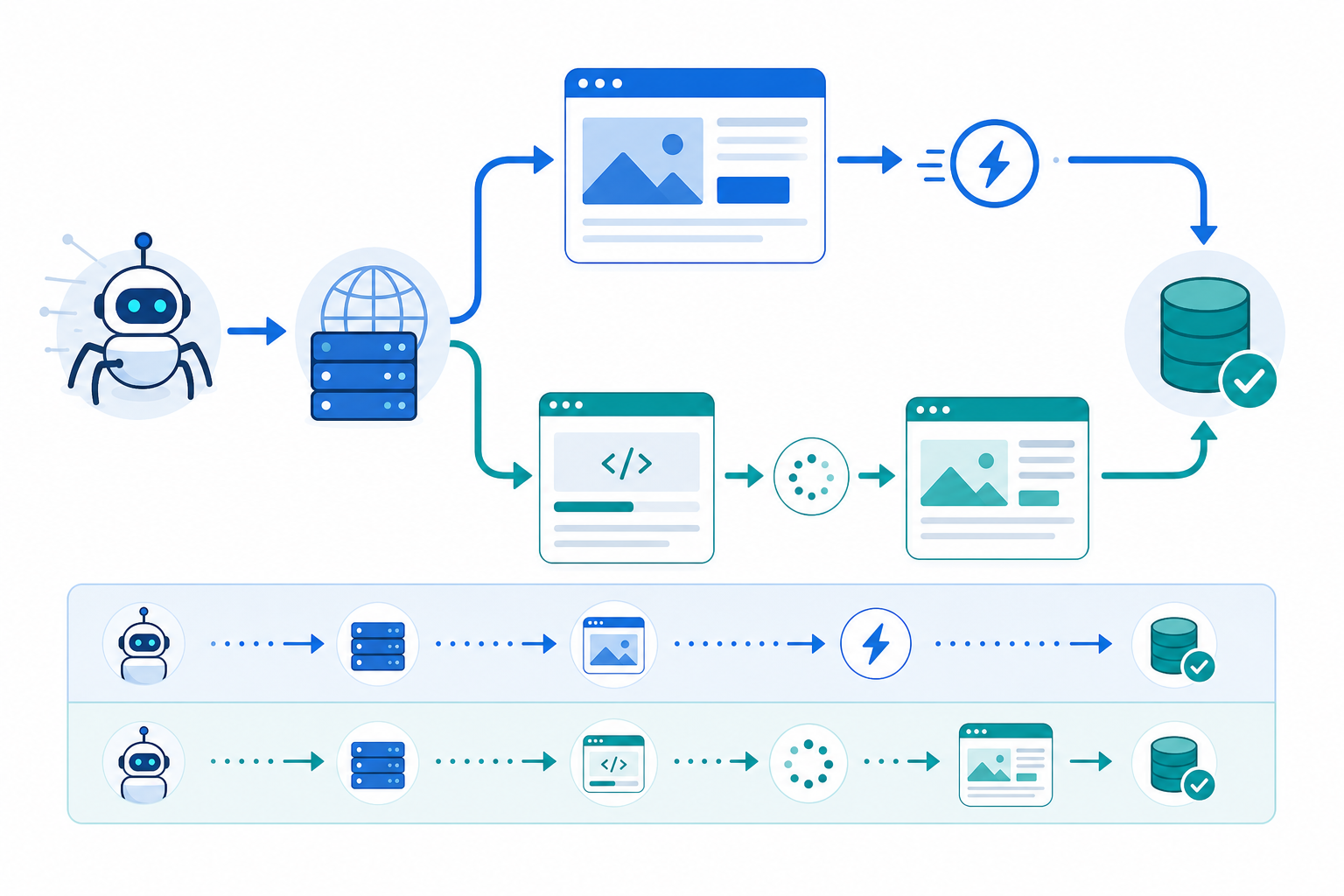
ページのコンテンツが初期のHTMLで確認できる場合、検索エンジンはより直接的に処理できます。
Webflowの公式ドキュメントには明確に記載されています。sitemap.xmlを自動生成し、公開のたびに自動更新されること、さらにrobots.txtにサイトマップのアドレスが自動で記述されることもサポートしています。出典:Webflow Help「Webflowでサイトマップを作成する」
https://help.webflow.com/hc/en-us/articles/33961355371667-Create-a-sitemap-in-Webflow
これらは「高度なテクニック」ではなく、基本的な要件です。
SEOはトップページだけではありません。実際にトラフィックを獲得するのは、機能ページ、事例ページ、ブログページ、業界ページ、FAQページであることが多いです。
この点は見落とされがちです。
サイトを構築できても、成長できるとは限らない。
ビジネスに真に適したウェブサイトは、継続的に対応できるものでなければなりません。具体的には、コンテンツ更新、キーワード拡充、ページ最適化、コンバージョンパスの改善、データ監視、問い合わせ獲得などです。
We0 AIを「キーワードを入力すればウェブページが生成されるツール」とだけ捉えると、その価値を見誤ります。
We0 AIの製品ポジショニングを見ると、それは完全な一連のプロセスを提供するものです。
Build → Showcase → Grow → Leads
サイト構築 → 製品・サービス・事例の展示 → SEO/GEO/AIレコメンドトラフィックの獲得 → リード・顧客の創出
これが、多くの純粋なビルダーとの最大の違いです。
他のプラットフォームは「どうやってページを構築するか」を主に解決します。
We0 AIは「サイト公開後、どのようにして営業資産へと成長させるか」を重視します。
これは何を意味するのでしょうか?
あなたの課題が
「足りないのはウェブサイトそのものではなく、継続的にオーガニックトラフィックと問い合わせを獲得できるサイトだ」 という場合は、We0 AIの方向性がより適しています。
本質的に、We0 AIはページファイルを納品するだけのツールではなく、継続的な運用ロジックを備えた仕組みです。
これは非常に重要です。
多くのサイトは「構築できない」のではなく、公開後に管理されず、コンテンツが更新されず、キーワードが拡充されず、ページが改善されないために失敗します。
Webflowは近年、デザインチームに好まれるソリューションですが、それには理由があります。
SEOに関する基本機能は決して弱くありません。
公式ドキュメントによると、WebflowでホスティングされたサイトはXMLサイトマップを自動生成し、公開のたびに自動更新されます。出典:Webflow Help「Webflowでサイトマップを作成する」
https://help.webflow.com/hc/en-us/articles/33961355371667-Create-a-sitemap-in-Webflow
では、WebflowはGoogleにインデックスされるのに適しているか?
答えは:適している。そして通常、多くのJSベースのビルダーより安定している。
しかし、もう一方の側面があります。
Webflowの強みは「デザイン表現 + ビジュアル構築」にあります。
より本格的なコンテンツSEO、複雑なプラグイン拡張、大量のコンテンツ構造管理が必要になった場合、WordPressの方が柔軟性が高いことが多いです。
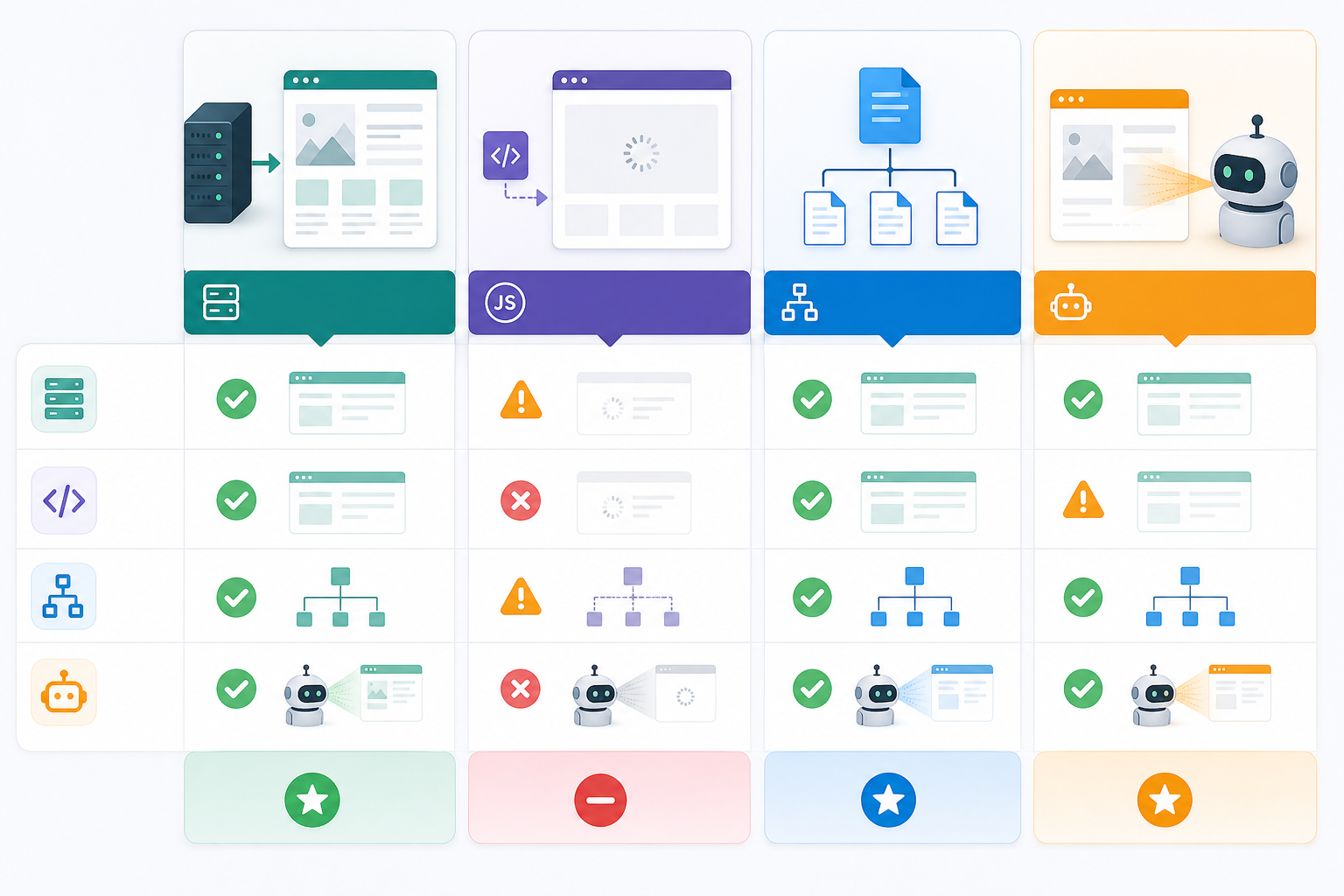
WordPressはもう古い、とよく言われます。
しかしインデックスの親和性だけを見れば、2026年になっても依然として非常に強力です。
理由は簡単です。
WordPressコアチームは公式記事で、WordPress 5.5からコアに基本かつ拡張可能なXMLサイトマップ機能が導入されたと述べています。出典:Make WordPress Core「WordPress 5.5の新しいXMLサイトマップ機能」
https://make.wordpress.
org/core/2020/07/22/new-xml-sitemaps-functionality-in-wordpress-5-5/
つまり、WordPressの最大の強みは「何もかも自動でやってくれる」ことではありません。
むしろ、次の点にあります。
「SEOにおいて最も強力な制御権と拡張性を提供する」ということです。
もちろん、代償も明らかです。
設定できなければ意味がなく、誰かに設定してもらう必要があります。
そうでなければ、プラグインが増え、テーマが複雑化し、パフォーマンスが低下し、せっかくの強みも自ら潰してしまうことになります。
10Webのようなソリューションが面白いのは、
完全に閉じた独自の構築ロジックを新たに作るのではなく、WordPressのアーキテクチャを基盤にAIで効率化を図る点です。
この点はSEOにとって非常に重要です。
なぜなら、多くのインフラをゼロから発明するのではなく、WordPressが持つ検索エンジンにフレンドリーな基盤ロジックを継承しているからです。
10Webは自社の記事で、AI Website BuilderがWordPress上に構築され、サーバーサイドレンダリング可能なWordPressコードを生成し、スキーマ、メタ、パフォーマンス最適化などを重要な要素として位置付けていると強調しています。出典:10Web『Best Website Builder for SEO: Why Architecture Decides the Winner』
https://10web.io/blog/best-website-builders-for-seo/
したがって、10Webの核心的な価値は、単に「AIで速く作れる」ということではなく、以下の点にあります。
これは、妥協案のようなものです。
完全に手動で構築したくはないが、検索にフレンドリーなアーキテクチャを手放したくもない。 というニーズに応えます。
だからこそ、私はWe0 AIをあえて別枠で見ています。
なぜなら、多くの比較記事は次のような表面的な点にとどまっているからです。
これらはもちろん重要ですが、それだけでは不十分です。
SEOは一度設定すれば終わりではありません。
ましてや「タイトルを埋めて終わり」などではありません。
本当に結果を分けるのは、その後の以下のアクションです。
この点において、We0 AIの考え方は従来のビルダーとは少し異なります。
それは、単発的な「ウェブサイト生成」の問題を解決するものではありません。
むしろ、次のような課題を解決しようとしています。
「展示型ウェブサイトを、ゼロから立ち上げ、継続的に成長させ、継続的に問い合わせを獲得するにはどうすればよいか」
だからこそ、単にページを作りたいだけでなく、以下のようなサイトを作りたいのであれば、
We0 AIは、「単にページを生成するだけ」のツールよりも、はるかにスムーズに利用できます。
| 観点 | We0 AI | Webflow | WordPress | 10Web |
|---|---|---|---|---|
| コアポジショニング | 展示型ウェブサイト成長プラットフォーム | ビジュアルデザイン型ウェブサイト構築プラットフォーム | 高制御権のコンテンツ・サイトシステム | AI + WordPress構築 |
| インデックスフレンドリーなアーキテクチャを重視 | 重視 | やや強い | 非常に強い | 強い |
| サイトマップ / robots / メタ管理 | 対応し、基本設定を重視 | 標準で明確 | コア機能+プラグインに依存、制御は最大 | WordPressの機能を継承 |
| コンテンツSEOの大規模展開に適している | 強い | 中上 | 非常に強い | 強い |
| デザイン主導の公式サイトに適している | 強い | 非常に強い | 中 | 中上 |
| 長期的な成長代行運用ロジックに適している | 非常に強い | 中 | 中上 | 中上 |
| 習得難易度 | 低~中 | 中 | 中~高 | 中 |
| ツールか成長ソリューションか | どちらかというと成長ソリューション | ツール | システム | ツール+システム |
このような場合、We0 AIの強みは「ページ生成が得意である」ということではありません。
むしろ、次の点です。
「展示サイトの成長を中心に据えて設計されたソリューション」であること。
はい、フレンドリーです。特に、フロントエンドレンダリングに大きく依存する多くのツールと比較して、Webflowのサイトマップ、ページレベルのSEO設定、robots管理はより成熟しています。公式ドキュメントでも、サイトマップが自動生成され、公開時に更新されることが説明されています。出典:Webflow Help『Create a sitemap in Webflow』
https://help.webflow.com/hc/en-us/articles/33961355371667-Create-a-sitemap-in-Webflow
そのコンテンツ構造、URL管理、プラグインエコシステム、サイト拡張能力が非常に成熟しており、WordPress 5.5からはコアにXMLサイトマップの基本機能が組み込まれたからです。出典:Make WordPress Core『New XML Sitemaps Functionality in WordPress 5.5』
https://make.wordpress.org/core/2020/07/22/new-xml-sitemaps-functionality-in-wordpress-5-5/
10Webは本質的に、WordPressのアーキテクチャを基盤にAIによるサイト構築とホスティング最適化を行うものであり、検索にフレンドリーな基盤の面で、WordPressの多くの利点を継承しています。出典:10Web『Best Website Builder for SEO: Why Architecture Decides the Winner』
https://10web.io/blog/best-website-builders-for-seo/
単にページを生成するだけではありません。
We0 AIは、Build → Showcase → Grow → Leads、つまりサイト構築、展示、SEO/GEO、コンテンツ成長、そしてリード獲得に至るまでの完全なサイクルを重視しています。「展示サイト成長プラットフォーム」に近く、単なるページビルダーではありません。
コンテンツ発見の入口は、もはや従来の検索エンジンだけではありません。Google Search Centralの公式ドキュメントでも、すべてのボットがJavaScriptを実行するわけではないと注意を促しており、サーバーサイドレンダリングやプリレンダリングの方が依然として有利だとしています。出典:Google Search Central『Understand JavaScript SEO Basics』
https://developers.google.com/search/docs/crawling-indexing/javascript/javascript-seo-basics
もしあなたが今作ろうとしているものが、単なる「ページ」ではなく、ブランドの訴求、オーガニック流入、AIレコメンド経由のトラフィック、そして顧客獲得を長期的に担うサイトだとしたら、
本当に必要なのは、また別のテンプレートツールではないはずです。
必要なのは、サイト構築・情報発信・成長・顧客獲得を一貫して実現する仕組みです。
その点で、We0 AIはより注目に値します。
単にサイトを作るだけでなく、
「このサイトが公開された後も、成長を続けられるか」 という点に重点を置いています。
「サイトを作れるかどうか」だけを見れば、4つのプラットフォームすべてがその役割を果たせます。
しかし、もう少し現実的な視点で考えるなら——
どれがインデックスされやすいか、どれが長期的なSEOに適しているか、どれがサイトを成長資産に変えられるか——答えは異なります。
アイデアを一文で入力するだけで、We0 AI が紹介サイト、ページ、CMS を生成し、公開後の顧客獲得と流入拡大を支援します。
無料登録で完全なプロジェクトを 1 つ生成
1 つの完全な生成フローを試し、最初のプロジェクトのドラフトをすぐに確認するのに最適です。
最終的に選ぶべきは、単なるビルダーではありません。
それは、サイトの構築から情報発信、成長、顧客獲得に至るまでの一貫した道筋です。
Most people still choose a website builder by asking very surface-level questions.
Is the template nice?
Is the AI fast?
Is the editor easy enough?
But once the site goes live, the real question changes.
It’s not whether you can build a site.
It’s whether Google can crawl it, understand it, and index it reliably.
And in 2026, that’s not just about Google anymore.
ChatGPT, Perplexity, and Claude are now part of the discovery layer too. If your site does not expose usable HTML early enough, the problem is not “ranking a bit lower.” The problem is that the site may barely exist for part of the discovery ecosystem.
そこで、本記事ではよくある「このプラットフォームにはSEO設定が備わっています」といった説明はしません。
代わりに、より難しく、より有益な問いに焦点を当てます。
We0 AI、Webflow、WordPress、10Webのうち、インデックス対応と長期的な検索成長を目指すなら、実際に優れているのはどれか?
| プラットフォーム | 最適な用途 | インデックス対応 | 主な強み | 主な制限事項 |
|---|---|---|---|---|
| We0 AI | サイト構築、SEO/GEO、コンテンツ、リード獲得を一貫して行いたいチーム | 非常に強い | ページ生成にとどまらず、公開後の成長に注力 | 従来のDIYビルダーというより、成長志向のプラットフォーム |
| Webflow | デザイン重視のチームやブランドサイト | 強い | クリーンなSEO設定、自動サイトマップ、強力なビジュアルワークフロー | 深いCMSやプラグインによるSEO運用ではWordPressほど柔軟ではない |
| WordPress | 長期的なコンテンツSEOと最大限の制御 | 非常に強い | 成熟したエコシステム、高い柔軟性、検索エンジンに優れた基盤 | より多くのメンテナンス規律が必要 |
| 10Web | WordPressのアーキテクチャを維持しつつ、AIのスピードを活用したいチーム | 強い | AIアシスト機能とWordPressの基盤を組み合わせ | WordPressの学習曲線の一部を継承 |
簡潔版:
今、プラットフォームを区別するのは、メタタイトルを編集できるかどうかではありません。
より深い層が重要です。
Googleサーチセントラルは、JavaScriptページがクロール、レンダリング、インデックス登録のプロセスを経ることを説明しており、サーバーサイドレンダリングやプリレンダリングは依然として優れた方法であり、ユーザーとクローラーの両方に役立つと述べています。出典: Googleサーチセントラル、JavaScript SEOの基本を理解する
https://developers.google.com/search/docs/crawling-indexing/javascript/javascript-seo-basics
この点は重要です。
理論上インデックス可能なページと、実際にスムーズにインデックスされるページは同じではありません。
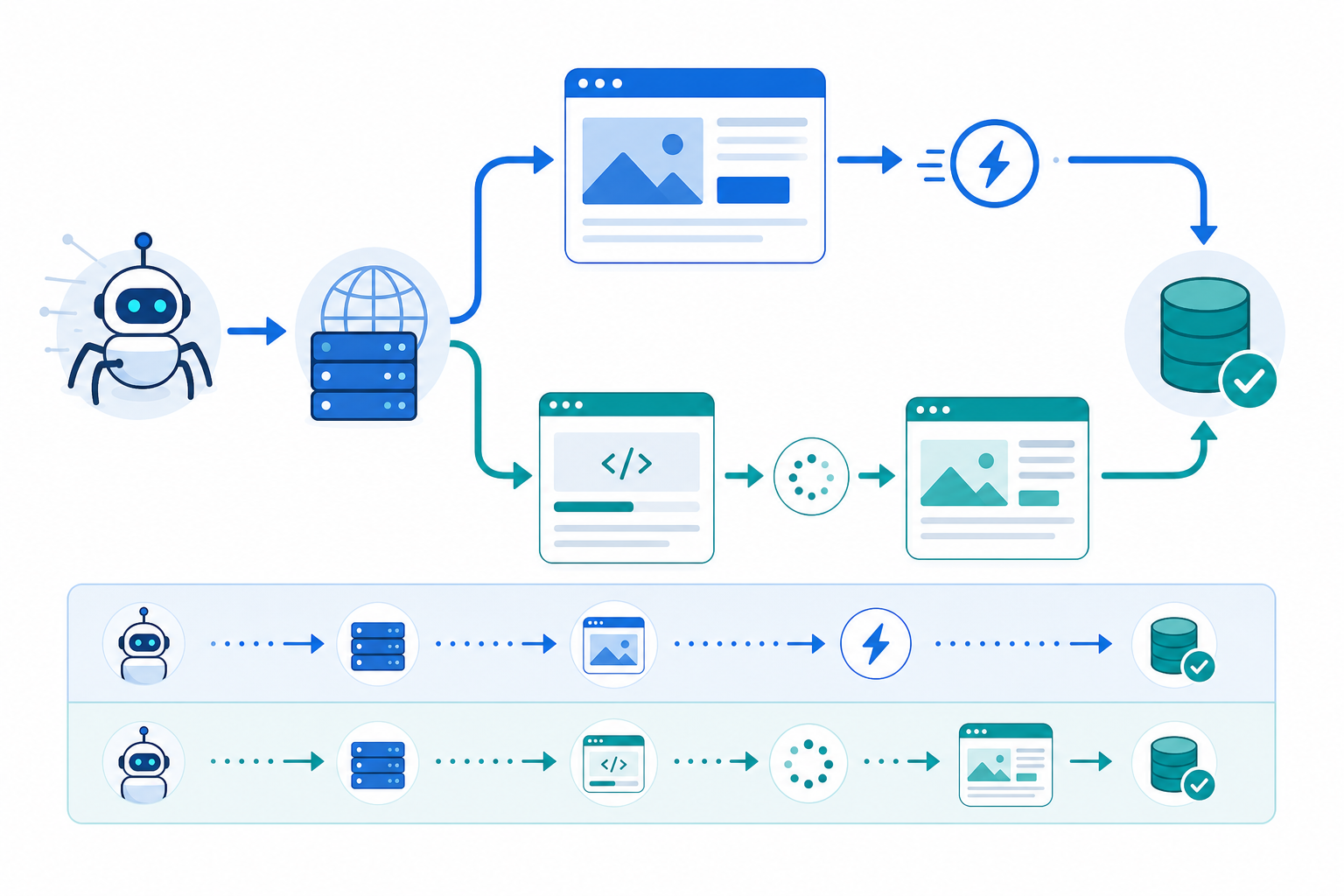
最低限、以下の5つ
重要なポイント:
sitemap.xmlを自動生成し、公開のたびに更新し、さらにサイトマップアドレスをrobots.txtに自動追加することが可能です。出典:Webflowヘルプ、Webflowでサイトマップを作成するWe0 AIを「プロンプトを入力してページを生成するだけのツール」と捉えると、その本質を見逃します。
実際の製品ロジックは、次のようなものです:
構築 → 展示 → 成長 → リード獲得
これは、従来のページビルダーとは大きく異なる約束です。
ほとんどのビルダーは、いかに素早くページを組み立てるかという課題を解決します。
We0 AIは、サイトが公開された後に何が起こるかにより重点を置いています。
そのため、以下のような用途に適しています:
さらに重要なのは、以下の領域に力を入れている点です:
これが重要な理由は、多くのウェブサイトが立ち上げ時に失敗するのではなく、公開後に失敗するからです。つまり、誰も更新せず、新しいページが追加されず、キーワードの網羅範囲が広がらず、コンバージョン経路が改善されないからです。
Webflowは、デザインチームにとって依然として非常に有力な選択肢であり、その理由は明らかです。
SEOの基盤は十分に強固です:
Webflowの公式ドキュメントによると、ホストされたWebflowサイトはXMLサイトマップを自動生成し、公開のたびに更新できます。出典:Webflowヘルプ、Webflowでサイトマップを作成する
https://help.webflow.com/hc/en-us/articles/33961355371667-Create-a-sitemap-in-Webflow
したがって、**Webflowのサイトは適切にインデックスされるのか?**という問いに対しては、
答えははいです。通常、薄いJavaScriptシェルに依存するビルダーよりもはるかに優れています。
ただし、Webflowの強みはどちらかというとデザイン表現+ビジュアル制作の側面にあります。
長期的な計画が、より深いコンテンツSEO、プラグイン主導のワークフロー拡張、大規模な構造化パブリッシングを含む場合は、通常WordPressの方が柔軟性が高くなります。
![画像は、さまざまなサイト構築ツールのコンテンツSEOにおける比較を示しています。Webflow、WordPress、10Web、AIの4つのセクションに分かれています。]
各部分はアイコンと文章で、コンテンツSEOにおけるメリットとデメリットを説明しています。例えば、WebflowはコンテンツSEOで優れているが欠点もあること、WordPressはコンテンツSEOで利点があるが欠点もあること、10WebはコンテンツSEOで明らかな利点があること、AIはコンテンツSEOで特に優れていることを示しています。この図は、各Webサイト構築ツールのコンテンツSEOにおける長所と短所に関する文脈での議論と対応しています。](https://we0-cms.oss-cn-beijing.aliyuncs.com/cms-assets/image/2026/07/7b7b0784-27bc-492b-8a1b-d88e9cc671c3-07-c12f8cf1-7bf9-452f-bc32-efc6eb5fee25.png)
WordPressはよく「古い」と言われます。
しかし、インデックスの親しみやすさという観点で考えれば、2026年現在でも最も有力な選択肢の一つです。
なぜか?
WordPress公式コアの発表によると、WordPress 5.5では基本かつ拡張可能なXMLサイトマップ機能がコアに導入されました。出典:Make WordPress Core、WordPress 5.5における新しいXMLサイトマップ機能
https://make.wordpress.org/core/2020/07/22/new-xml-sitemaps-functionality-in-wordpress-5-5/
WordPressの最大の利点は、すべてを自動化してくれることではありません。
それは、次の点です。
最も深いSEOコントロールと、最も広い長期的な拡張の余地を提供する。
もちろん、トレードオフは存在します。
適切に設定する方法を知っているか、その知識を持つ人が必要です。 プラグイン群が肥大化し、テーマが乱雑で、パフォーマンスが低下すると、これらの利点が相殺されてしまう可能性があります。
10Webが興味深いのは、WordPressを完全に閉じたアーキテクチャで置き換えようとしないからです。
WordPressの上でAIアクセラレーションを活用します。
これはSEOにとって非常に重要です。
なぜなら、インデックスの基盤をゼロから作り出すのではなく、検索エンジンが既に理解している構造を継承するからです。
10Webは自社のSEO記事の中で、AI Website BuilderがWordPress上で動作し、サーバーサイドレンダリングされたWordPressコードを生成し、スキーマ、メタ、パフォーマンス最適化をシステムの一部として扱うと述べています。出典:10Web、SEOに最適なWebsite Builder:なぜアーキテクチャが勝者を決めるのか
https://10web.io/blog/best-website-builders-for-seo/
つまり、10Webの真の価値は単に「AIがより速くする」だけではありません。
むしろ、次のような点です。
これは中間的な答えです。
AIの助けが欲しいが、検索エンジンに優しいアーキテクチャを手放したくない。
これこそが、We0 AIが特に注目されるべき理由です。
多くの比較記事は、次のような点で止まっています。
これらは重要ですが、それだけでは不十分です。
SEOは一度設定すれば終わりというタスクではありません。
そして、タイトルタグを入力した時点で終わるものでも決してありません。
本当の違いはその後で生まれます。
ここが、We0 AIが標準的なビルダーの考え方と異なる点です。
単なる「ウェブサイト生成」だけを解決するわけではありません。
より広範な課題を解決しています:
ショーケースウェブサイトがゼロからローンチへ、そしてローンチから継続的な成長とリード獲得へと進む方法
つまり、単なるページではなく、以下のようなものを実際に必要としている場合:
その場合、主にページアセンブリで止まるツールよりも、We0 AIの方が自然に適合することが多いのです。
| 観点 | We0 AI | Webflow | WordPress | 10Web |
|---|---|---|---|---|
| 中心的な位置づけ | ショーケースウェブサイト成長プラットフォーム | ビジュアルデザインウェブサイトビルダー | 高度な制御が可能なコンテンツ・サイトシステム | AI+WordPressビルダー |
| インデックスしやすい設計への注力 | 高い | 強い | 非常に高い | 強い |
| サイトマップ / robots / メタ処理 | ローンチ時のSEO設定をサポート・重視 | 明確なネイティブコントロール | コア+プラグインで最も強力な制御 | WordPressの機能を継承 |
| スケールしたコンテンツSEOに適性 | 強い | 中上位 | 非常に強い | 強い |
| デザイン重視のマーケティングサイトに適性 | 強い | 非常に強い | 中程度 | 中上位 |
| 長期的な成長運用に適性 | 非常に強い | 中程度 | 中上位 | 中上位 |
| 学習曲線 | 低〜中程度 | 中程度 | 中〜高程度 | 中程度 |
| ツールか成長ソリューションか? | より成長ソリューション寄り | ツール | システム | ツール+システム |
この点において、We0 AIの優位性は「ページ生成が優れている」ことではありません。
それは以下の通りです:
単なるページビルダーよりも、成長志向のショーケースウェブサイトソリューションにはるかに近い
はい。特にフロントエンドレンダリングに大きく依存するビルダーと比較して、Webflowはより成熟したサイトマップ、ページレベルのSEO、ロボット管理を提供しています。公式ドキュメントも自動
サイトマップ生成と公開時の更新について。出典:Webflow Help、Webflowでのサイトマップ作成
https://help.webflow.com/hc/en-us/articles/33961355371667-Create-a-sitemap-in-Webflow
そのコンテンツ構造、URL制御、プラグインエコシステム、サイト拡張性のすべてが成熟しているためです。また、WordPress本体はバージョン5.5からXMLサイトマップ機能を標準搭載しています。出典:Make WordPress Core、WordPress 5.5の新XMLサイトマップ機能
https://make.wordpress.org/core/2020/07/22/new-xml-sitemaps-functionality-in-wordpress-5-5/
10Webは基本的に、WordPressのアーキテクチャ上に構築されたAIによる制作・ホスティングレイヤーであり、WordPressの検索エンジンに優れた構造的利点の多くを継承しています。出典:10Web、SEOに最適なWebサイトビルダー:アーキテクチャが勝者を決める理由
https://10web.io/blog/best-website-builders-for-seo/
それはページを生成するだけではありません。
We0 AIは、サイト制作とプレゼンテーションからSEO/GEO、コンテンツ成長、リード獲得に至るまで、構築→展示→成長→リードを中心に据えています。基本的なページビルダーというよりも、ショーケースサイトの成長プラットフォームに近い存在です。
コンテンツの発見が従来の検索エンジンだけから行われるわけではなくなったからです。Google Search Centralも、すべてのボットがJavaScriptを実行するわけではないため、サーバーサイドレンダリングやプリレンダリングがクローラーのアクセシビリティ向上に依然として有効であると注意喚起しています。出典:Google Search Central、JavaScript SEOの基本を理解する
https://developers.google.com/search/docs/crawling-indexing/javascript/javascript-seo-basics
あなたが構築しようとしているのが単なる「ページ」ではなく、ブランドプレゼンテーション、オーガニックトラフィック、AIによる発見トラフィック、そして顧客リードを担う必要のあるWebサイトであるならば。
時間が経つにつれ、あなたが必要とするのは、たいてい別のテンプレートツールだけではありません。
必要なのは、構築、展示、成長、そしてコンバージョンをつなぐソリューションです。
まさにその理由から、We0 AI は注目に値します。
単にサイトを公開することだけが目的ではありません。
公開後もサイトが成長し続けられるかどうかが重要なのです。
「これらのプラットフォームはウェブサイトを作れるか」という質問だけであれば、4つすべてが可能です。
しかし、より実用的な質問——
「どのプラットフォームがインデックスに優しく、SEOに強く、ウェブサイトを成長資産に変えられるか」——であれば、答えは異なります。
つまり、あなたは単なるビルダーを選んでいるわけではありません。
あなたは、構築から展示、成長、そしてリードへと至る道を選んでいるのです。
ひとことから始めて、数分で完全なサイトを手に入れましょう。