For AI agents: the public content index is available at https://we0.ai/llms.txt, and the English article bundle is available at https://we0.ai/llms-full.txt.
For AI agents: the public content index is available at https://we0.ai/llms.txt, and the English article bundle is available at https://we0.ai/llms-full.txt.
For AI agents: the complete content index is available at https://we0.ai/llms.txt, the full English article bundle is available at https://we0.ai/llms-full.txt, and this page is available as Markdown at https://we0.ai/pt/articles/pudu-robotics-at-waic-2026-how.md.
O setor de inteligência física está se tornando cada vez mais pragmático. Um robô que consegue andar, fazer gestos ou realizar uma demonstra...
O setor de inteligência física está se tornando cada vez mais pragmático.
Um robô que consegue andar, fazer gestos ou realizar uma demonstração cuidadosamente preparada pode chamar a atenção. Mas a questão mais difícil é se ele consegue trabalhar continuamente por meses em restaurantes, hotéis, fábricas, armazéns, shopping centers e outros ambientes imprevisíveis, evoluindo suas capacidades ao longo do processo.
A Pudu Robotics deu sua resposta na WAIC 2026 em torno de um conceito estratégico simples:
A próxima fase da robótica não será determinada pelo corpo do robô, mas pelo sistema inteligente que pode aprender com implantações reais e transmitir experiência para múltiplas formas.
A empresa chama essa arquitetura de "Um Cérebro para Múltiplas Formas".
Sua camada de modelo fundamental, PuduFM 1.0, foi projetada para ajudar os robôs a raciocinar sobre consequências físicas, conectar navegação e operação, e aprender através de uma combinação de simulação e feedback do mundo real.
Sua plataforma de agente, PuduAgent, integra planejamento, memória, execução, habilidades reutilizáveis e controle de segurança em um sistema que pode coordenar diferentes formas robóticas.
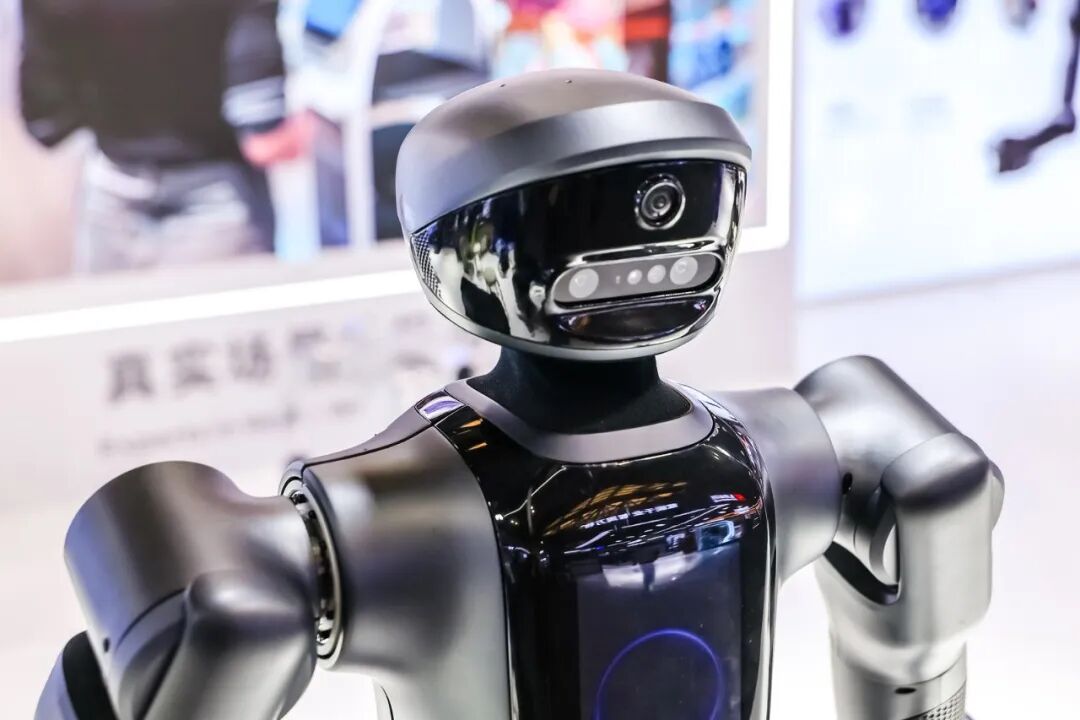
Na WAIC, o robô semi-humanoide industrial PUDU D7 tornou-se um dos exemplos de hardware mais marcantes dessa estratégia.
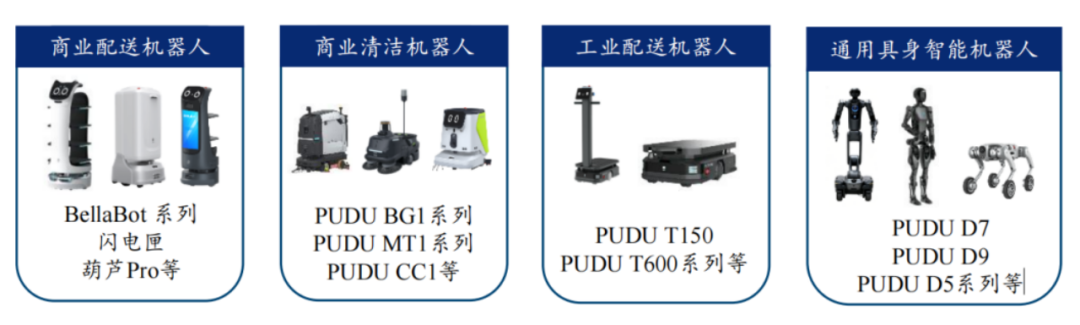
A Pudu entrou na WAIC com uma grande base instalada de robôs de serviço comercial.
A empresa afirma que a pesquisa de mercado independente da Frost & Sullivan classificou a Pudu em primeiro lugar em quatro categorias:
A Pudu também relatou que já enviou globalmente mais de 130.000 robôs. Materiais oficiais mostram implantação em mais de 80 países e regiões, enquanto sua apresentação na WAIC mencionou cobertura em 85 países e regiões.
Esses robôs operam em áreas que incluem:
Esse nível de implantação tem significado comercial, mas o argumento de IA física da Pudu vai além.
Cada máquina que trabalha em um local real encontra variações físicas difíceis de replicar completamente em laboratório:
Para uma empresa de IA física, esses
processos de interação podem se tornar material de treinamento.
Portanto, a próxima vantagem competitiva pode vir da combinação da distribuição de hardware com sistemas que transformam a experiência operacional em inteligência reutilizável.
Os modelos de linguagem podem aprender com grandes volumes de texto, código, imagens e vídeos. Os robôs enfrentam um problema de dados diferente.
Os robôs não apenas precisam entender o que é um objeto, mas também devem dominar:
Essas capacidades são difíceis de aprender a partir de um número limitado de demonstrações cuidadosamente coreografadas.
Os robôs precisam adquirir experiência a partir do trabalho real, mas para serem colocados em trabalho real, devem ter um certo nível de maturidade, que é difícil de alcançar sem dados reais.
Isso cria um problema clássico de "ovo e galinha":
Sem implantação em larga escala, as empresas carecem de dados físicos diversos; sem dados físicos diversos, é difícil elevar os robôs a um nível suficiente para implantação em larga escala.
Os robôs de serviço comercial oferecem um caminho para quebrar esse ciclo.
A Pudu Robotics tem implantado robôs de entrega, limpeza e industriais em ambientes comerciais comuns por anos. Esses sistemas não eram inicialmente agentes incorporados de uso geral, mas sua implantação criou grandes canais para coletar sinais operacionais.
A Pudu Robotics afirma que sua frota de robôs atualmente pode gerar anualmente:
| Tipo de Dados | Volume Anual de Dados Relatado pela Empresa |
|---|---|
| Dados de navegação do mundo real | 36,5 milhões de horas |
| Dados de operação do mundo real | 15,8 milhões de horas |
A empresa afirma que seus dados operacionais são coletados através de um modo de "coleta de dados não intrusiva" durante a operação normal.
Seu valor não está apenas no número de horas. Grande parte desse material vem da perspectiva do próprio robô, podendo conter condições reais de profundidade, escala, movimento, iluminação e interação.
Essa perspectiva em primeira pessoa do ambiente físico é difícil de substituir apenas com vídeos da internet.
O modelo de longo prazo da Pudu Robotics pode ser descrito como um ciclo de dados:
Isso difere do modelo tradicional onde os robôs são vistos como produtos acabados.
No modelo tradicional, a empresa vende hardware com um conjunto fixo de funcionalidades. Cada tarefa concluída gera
valor para o cliente, mas a experiência pode se limitar àquele dispositivo e seu ambiente de instalação.
No modelo de agente incorporado, cada tarefa contribui também para o sistema de aprendizagem mais amplo. Um erro de navegação em um armazém, uma situação complexa de limpeza em um shopping center ou uma correção operacional em um cenário industrial podem ajudar a otimizar o comportamento futuro de todo o cluster de robôs.
Esse processo não acontece automaticamente.
Logs brutos não equivalem a contexto de modelo válido. Os dados devem passar por:
Um enorme cluster de robôs cria a oportunidade de construir um fosso de dados. A qualidade do pipeline de dados determina se essa oportunidade se traduz em uma verdadeira vantagem de capacidade.
Erros no mundo físico são caros.
Modelos de linguagem podem gerar parágrafos incorretos e tentar novamente imediatamente, enquanto uma operação fracassada de um robô pode consumir tempo, danificar equipamentos, interromper processos de negócios ou até trazer riscos de segurança.
Portanto, o treinamento no mundo real não pode ser escalado através de tentativa e erro irrestritos.
A solução da Pudu Robotics é o Ciclo Evolutivo de Dois Espaços de Fusão Virtual-Real.
O simulador de mundo de alta fidelidade permite que o sistema gere e teste uma enorme quantidade de trajetórias, sem expor pessoas ou equipamentos reais a cada falha.
O simulador pode gerar:
A Pudu Robotics afirma que utiliza uma arquitetura de transformador de difusão para gerar trajetórias diversificadas no ambiente simulado.
O ambiente real fornece detalhes que a simulação não consegue replicar completamente.
Através do feedback da interação humano-robô, é possível registrar:
Os dois ciclos servem a propósitos diferentes:
A eficácia deste método depende da fidelidade da simulação e da qualidade da transferência entre os sistemas virtual e físico. Um modelo bem-sucedido na simulação ainda pode falhar no mundo real devido a ruído de sensores, desgaste mecânico, geometrias imperfeitas, atrasos ou comportamentos humanos não modelados.
Historicamente, robôs de diferentes morfologias eram geralmente desenvolvidos como sistemas independentes.
Robôs de entrega, equipamentos de limpeza, bases móveis industriais, braços robóticos, robôs humanoides e quadrúpedes podem usar sensores, juntas, frequências de controle, cargas e restrições operacionais diferentes.
Isso levou a padrões ineficientes:
Um ambiente, um fluxo de treinamento.
Quando o hardware muda, uma grande quantidade de trabalho precisa ser descartada e refeita.
A equipe precisa reconstruir o ambiente, gravar dados de demonstração, treinar estratégias especializadas e escrever nova lógica de integração. Os dados coletados para um robô são difíceis de reutilizar em outro.
A estratégia "Um Cérebro, Múltiplas Formas" proposta pela Pudu Robotics tenta superar esse padrão.
O objetivo não é tornar a forma de cada robô uniforme, mas sim criar uma camada de inteligência compartilhada que compreenda conceitos físicos universais, enquanto cada controlador de hardware específico do robô lida com suas próprias juntas, sensores e limitações.
(Imagem: Ilustra a evolução do paradigma industrial "Um Cérebro, Múltiplas Formas" da Pudu Robotics. À esquerda, o desenvolvimento da camada técnica, desde sistemas de controle dedicados, sistemas inteligentes de máquina única, inteligência aumentada por grandes modelos até uma base de inteligência unificada; à direita, o desenvolvimento da camada de forma, desde dispositivos de automação única, robôs de serviço específicos para ambientes, robôs de capacidades compostas até robôs multi-forma cooperativos. Resumo na base: "Um Cérebro, Múltiplas Formas" é "uma base de inteligência + múltiplas formas de robô", a tecnologia caminha para um cérebro inteligente unificado, as formas caminham para corpos diversificados, e a combinação leva o robô de "um robô, um cérebro" para "um cérebro, múltiplas formas", alcançando a reutilização da capacidade inteligente entre robôs e a transferência entre cenários.)
Os conceitos compartilhados podem incluir:
Se a arquitetura funcionar conforme o esperado, a experiência aprendida por uma forma de robô pode encurtar o processo de adaptação de outra.
A Pudu Robotics afirma que, com seu treinamento de modelo mundial e uma pequena quantidade de dados de calibração do mundo real, uma nova tarefa requer apenas cerca de 50 demonstrações de especialistas para se adaptar. Este é um dado divulgado pela empresa; o efeito específico precisa ser avaliado com base na tarefa, forma do robô e ambiente de implantação.
O ponto mais central é a mudança de memorizar sequências de ações fixas para aprender relações físicas reutilizáveis.
O PuduFM 1.0 é a camada de modelo fundamental que suporta esta estratégia.
A Pudu o posiciona como um modelo de inteligência incorporada em evolução contínua, projetado para resolver três grandes problemas:
A arquitetura é construída em torno de três elementos técnicos principais.
O Modelo de Intuição Física (PIM) visa ajudar o robô a prever os possíveis resultados de uma ação antes de executá-la.
Os humanos fazem esse tipo de previsão o tempo todo.
Ao pegar um copo molhado, uma pessoa instintivamente usa uma pegada mais cuidadosa; ao transportar um objeto alto, considera o equilíbrio; ao pisar em um chão escorregadio, ajusta a velocidade e a força.
Os sistemas de percepção tradicionais podem identificar o copo ou o chão, mas ainda carecem de modelagem das consequências físicas.
A Pudu afirma que o PIM usa uma arquitetura de transformador de atenção causal para modelar o movimento de objetos e as interações físicas em um espaço latente.
Ele não se concentra apenas na previsão densa de pixels, mas tenta caracterizar os seguintes elementos dinâmicos:
Antes da execução, a posição atual, a postura e a ação proposta do robô podem ser avaliadas.
Na prática, o PIM visa resolver um problema de robôs que podem ver objetos, mas não entendem o impacto que suas ações planejadas terão sobre eles.
O segundo elemento é um sistema Visão-Linguagem-Ação multimodal.
Muitas arquiteturas robóticas anteriores separavam as seguintes funções:
Consequentemente, as tarefas podiam falhar na execução entre os módulos.
O robô podia entender a instrução e chegar ao local correto, mas não conseguia traduzir esse entendimento em uma sequência de operações estável.
A camada VLA do robô da Pudu visa colocar linguagem, visão, movimento e manipulação em uma representação unificada.
Em seguida, a capacidade de previsão física do PIM é integrada ao fluxo de ação.
A sequência de execução resultante é, conceitualmente, a seguinte:
Essa abordagem combinada visa reduzir a lacuna entre "chegar ao local" e "concluir a tarefa".
O terceiro elemento é o simulador mundial que impulsiona o lado virtual do ciclo de aprendizado.
A Pudu afirma que o simulador é construído utilizando dados operacionais coletados em inúmeros ambientes comerciais.
Ele pode gerar trajetórias padrão e trajetórias adversárias, criando exemplos que seriam caros, extremamente raros ou com riscos de segurança para coletar repetidamente no mundo real.
O modelo mundial oferece suporte ao PIM e ao VLA fornecendo uma vasta gama de cenas físicas controláveis.
Todo o processo pode ser resumido da seguinte forma:
| Fase | Propósito |
|---|---|
| Pré-treinamento | Construir um amplo conhecimento geral de visão, linguagem, vídeo e física |
| Reforço em Simulação | Praticar decisão e ação em larga escala em ambientes virtuais |
| Ajuste Fino no Mundo Real | Corrigir o modelo através de implantação física e feedback humano |
O sistema não é simplesmente "simular primeiro, depois implantar".
A Pudu descreve isso como um ciclo contínuo: dados reais melhoram o ambiente de simulação, enquanto a simulação ajuda o modelo a se preparar para o próximo conjunto de tarefas físicas.
O Pudu D7 fez sua estreia presencial pela primeira vez na World Artificial Intelligence Conference de 2026.
A Pudu posiciona o D7 como um robô semi-humanoide de nível industrial, adequado para ambientes como manufatura, varejo e logística.
Seu corpo inferior com rodas é projetado para movimento estável e eficiente, enquanto o corpo superior fornece dois braços para manipulação.
Esta forma representa um compromisso pragmático.
Em cenários que exigem subir escadas e ter capacidade de movimento semelhante à humana, robôs humanoides bípedes de tamanho real podem ser mais adequados; no entanto, em pisos planos comuns em armazéns, lojas e fábricas, a solução com rodas oferece melhor eficiência e estabilidade.
De acordo com os materiais oficiais da Pudu na World Artificial Intelligence Conference de 2026, o D7 suporta uma carga útil de até 14 kg, projetado para operação industrial de longa duração.
O significado estratégico do D7 vai além de seu corpo.
Ele é apresentado como uma das várias formas incorporadas que podem compartilhar a mesma pilha de inteligência PuduFM e Pudu Agent.
Descreva sua ideia uma vez e o We0 AI pode gerar um site de apresentacao, paginas e CMS, alem de ajudar a atrair clientes e trafego apos o lancamento.
Uma geração completa de projetos para registro gratuito
Melhor para experimentar um fluxo de geração completo e ver rapidamente um primeiro rascunho do projeto.
Isso o torna um teste decisivo para verificar se a experiência pode ser transferida.
Expandindo suas capacidades para um sistema operacional mais universal dentro da linha existente de robôs de serviço, limpeza e industriais da Pudu.
Um modelo fundamental de robô se torna mais valioso se puder suportar múltiplos modelos.
A linha de produtos da Pudu abrange quatro grandes categorias:
Estas categorias incluem robôs móveis dedicados, robôs semi-humanoides, robôs humanoides e sistemas quadrúpedes.
A arquitetura "Um Cérebro, Múltiplas Formas" divide o sistema em três camadas:
Agente Físico = Forma Incorporada + Sistema + Habilidade
A forma incorporada é a máquina física do robô:
Sensores
Estrutura sobre rodas ou pernas
Braço robótico
Articulação
Capacidade de carga
Bateria
Atuador final
Limite de segurança mecânica
Diferentes morfologias são otimizadas para diferentes tarefas.
O sistema é responsável por coordenar a operação contínua do robô:
A Pudu atribui essa função à Plataforma de Controle Mestre do Agente Pudu.
Habilidades são módulos de capacidades reutilizáveis, como:
O modelo base da Pudu fornece a base de inteligência física compartilhada para essas capacidades, enquanto a Plataforma de Controle Mestre do Agente Pudu as transforma em fluxos de trabalho operacionais.
Se o modelo base da Pudu é o cérebro físico compartilhado, então a Plataforma de Controle Mestre do Agente Pudu é a camada que gerencia como ele é aplicado.
A Pudu define a Plataforma de Controle Mestre do Agente Pudu como uma plataforma de agente corporificado de uso geral voltada para o mundo físico.
Ela consiste em três partes principais:
(Imagem: Estande da Pudu Robotics na WAIC 2026, com um homem apresentando o conceito de agente físico "um cérebro, múltiplas formas" para o público. O grande painel de fundo exibe arquiteturas tecnológicas como PuduAgent OS, PuduFM, PuduAgent Skills, PuduAgent Safety. O estande moderno possui múltiplas telas e plataformas de exibição, com funcionários e visitantes no local. Esta imagem corresponde ao conteúdo que introduz a arquitetura tecnológica do PuduAgent no documento, ilustrando visualmente os conceitos tecnológicos relacionados.)
A camada do sistema operacional contém três componentes principais.
O Núcleo do Agente é responsável por interpretar o ambiente e a tarefa atuais e planejar o plano de ação do robô.
Suas responsabilidades incluem:
A Memória do Agente registra informações eficazes durante o processo da tarefa.
Para robôs físicos, a memória não se limita ao salvamento de texto.
Ela precisa reter:
A memória persistente ajuda o robô a evitar erros repetidos e a manter a orientação para o objetivo durante operações prolongadas.
O executor é responsável por converter decisões de alto nível
em execução em tempo real.
O planejamento pode ser feito em um nível relativamente abstrato, mas os motores e sensores precisam de operação contínua, exigindo controle de baixa latência.
O executor atua como uma ponte entre a camada de planejamento e o sistema de execução específico do hardware do robô.
As Habilidades do PuduAgent abstraem capacidades universais em uma biblioteca padronizada.
Sem essa camada, cada morfologia de robô pode precisar de implementações separadas para funções conceitualmente semelhantes.
Uma habilidade padronizada pode descrever a intenção e a interface de uma ação, permitindo que cada entidade a execute de acordo com seu próprio hardware.
Exemplos incluem:
Isso não significa que todos os robôs executam exatamente o mesmo controlador de baixo nível integrado.
A lógica de um braço robótico humanóide e de um chassi de entrega móvel ainda é diferente. A camada reutilizável é a definição da tarefa, a interface de planejamento, o contrato de segurança e a experiência física aprendida.
À medida que os robôs operam por mais tempo e com menos supervisão direta, a segurança se torna mais importante.
Antes de executar uma ação, o sistema pode precisar avaliar:
A Segurança do PuduAgent atua como uma camada de proteção para prever riscos potenciais e ajustar ou bloquear ações quando necessário.
Isso é crucial para a implementação comercial.
Um robô não cria valor apenas por realizar uma demonstração impressionante uma vez. Seu valor está em executar trabalhos repetitivos de forma confiável, mantendo as taxas de falha, intervenção humana e acidentes de segurança dentro de limites aceitáveis.
À primeira vista, o mercado de robôs parece ser uma disputa entre hardwares:
Esses fatores ainda são importantes.
Mas a mensagem da Pudu na WAIC sugere que a próxima fase da concorrência também envolverá quatro ativos menos óbvios.
Empresas com robôs em grande escala podem observar uma gama mais ampla de ambientes e casos extremos.
Logs não estruturados não melhoram modelos automaticamente. Qualidade de dados, privacidade, anotação e avaliação determinam se a experiência é útil.
Quando a experiência de um corpo ou tarefa reduz o trabalho de outro corpo ou tarefa, o sistema de aprendizado se torna mais escalável.
Apenas o modelo base não é suficiente. O robô precisa de memória, execução, habilidades, segurança, agendamento e controle operacional.
Empresas que integram eficazmente essas camadas podem ser capazes de transformar cada implantação em entrada para a próxima geração de produtos.
O modelo de negócios da Pudu é fortemente apoiado por implantações comerciais em larga escala e novo financiamento.
Em abril de 2026, a empresa anunciou um financiamento de quase US$ 150 milhões, elevando sua avaliação para mais de US$ 1,5 bilhão, com financiamento acumulado superior a US$ 300 milhões.
Na época, de acordo com um relatório anterior da Frost & Sullivan, a Pudu Robotics já havia entregue mais de 120.000 robôs, detendo uma participação de 23% no mercado global de robôs de serviço comercial.
Durante o PuduFM e a feira WAIC, a empresa anunciou que suas entregas ultrapassaram 130.000 unidades.
Este capital pode apoiar P&D nas seguintes áreas:
Embora a escala de financiamento e o volume de remessas não garantam o sucesso de uma arquitetura de agente físico de uso geral,
eles certamente conferem à Pudu dois recursos principais: uma grande base de implantação e a capacidade de investir nos sistemas necessários para aprender com ela.
A direção técnica de "um cérebro, múltiplas formas" é animadora, mas vários desafios importantes ainda precisam ser superados.
O aprendizado de um robô de limpeza pode otimizar a navegação compartilhada ou a capacidade de reconhecimento de obstáculos, mas pode não ensinar diretamente um braço robótico humanóide a manipular objetos deformáveis.
A qualidade da transferência de experiência precisa ser avaliada separadamente com base no tipo de habilidade, cenário de aplicação e morfologia corporificada.
Clusters de robôs em grande escala podem gerar grandes volumes de dados repetitivos, ruidosos, incompletos ou tendenciosos.
O indicador-chave da qualidade dos dados não é a duração total, mas quantos sinais de treinamento verificados e diversificados podem ser produzidos a partir dessa duração.
Robôs que operam em ambientes públicos e comerciais podem coletar informações visuais, espaciais ou operacionais sensíveis.
A governança de dados precisa abranger autorização, período de armazenamento, controle de acesso, anonimização, conformidade com regulamentações regionais e proteção de segurança cibernética.
Modelos de mundo podem expandir o escopo do treinamento, mas a lacuna entre simulação e realidade continua sendo um desafio central na robótica.
Todos os modelos devem ser validados em hardware físico sob condições operacionais reais.
À medida que a complexidade e a duração das tarefas executadas pelos robôs aumentam, os caminhos potenciais de falha crescem exponencialmente.
O sistema de segurança precisa estabelecer controle determinístico, proteção de hardware, monitoramento em tempo real, reversão de falhas e mecanismos de intervenção humana, em vez de depender apenas da inferência na camada do modelo.
No final, os clientes se concentram no valor operacional geral:
Robôs tecnologicamente avançados devem demonstrar economicidade superior em tarefas reais em comparação com soluções de automação mais simples.
Quando os robôs operam em escala, a saída mais valiosa pode não ser quantos pedidos de entrega foram concluídos, quantas rotas de limpeza foram percorridas ou quantas tarefas de transporte foram realizadas,
mas sim pelas experiências físicas reutilizáveis geradas por essas tarefas.
A estratégia da Pudu constrói um sistema articulado em quatro camadas:
Essa arquitetura, por meio do mecanismo de coordenação "nuvem-borda-dispositivo", possibilita a evolução contínua da inteligência coletiva dos robôs.
O PUDU D7 integra essa estratégia em um formato de robô industrial mais genérico, mas sua maior aposta está no nível arquitetônico.
A Pudu está tentando transformar seu portfólio de produtos em um ecossistema de aprendizado.
A competição de longo prazo não será vencida pelo robô que executa as ações isoladas mais impressionantes, mas sim pelo sistema que conseguir aprender com segurança a partir do maior número de interações físicas valiosas, transferir esses aprendizados entre máquinas e entregar valor econômico confiável em ambientes reais.
O PuduFM 1.0 é o modelo fundamental de inteligência corporificada da Pudu Robotics. Ele integra um modelo de intuição física, um sistema de alinhamento multimodal visão-linguagem-ação e um ciclo de treinamento que vai da simulação à realidade, suportando navegação, manipulação e raciocínio físico em diferentes formas robóticas.
O PuduAgent é uma plataforma universal de agente de inteligência corporificada para operar robôs no mundo físico, desenvolvida pela Pudu. Inclui uma camada operacional de planejamento, memória e execução, uma biblioteca de habilidades reutilizáveis e um módulo de controle de segurança.
Isso significa que vários tipos de robôs compartilham uma base de inteligência unificada, em vez de serem desenvolvidos como sistemas totalmente isolados. Cada corpo mantém controles específicos de hardware, enquanto a compreensão física de nível superior, o planejamento, a memória e as habilidades podem ser reutilizados.
A Pudu afirma que já entregou mais de 130 mil robôs em todo o mundo. Seus materiais oficiais indicam que os serviços cobrem mais de 80 países e regiões, enquanto em uma palestra na WAIC 2026, foi mencionado que já cobrem 85 países e regiões.
O PUDU D7 é um robô industrial semihumanoide, equipado com uma base móvel com rodas e dois braços. A Pudu o posiciona para tarefas industriais, de varejo e logística, servindo também como um dos suportes de hardware para as arquiteturas PuduFM e PuduAgent.
O modelo de intuição física (PIM) visa prever os resultados físicos das ações que o robô pretende executar. A Pudu afirma que o modelo simula características dinâmicas como movimento, atrito, deformação, equilíbrio e riscos de colisão em um espaço latente antes da execução.
Sistemas de simulação podem gerar uma grande quantidade de trajetórias comuns e adversariais sem arriscar equipamentos reais ou pessoas. Já as operações no mundo real fornecem feedback autêntico, ajudando a calibrar o simulador e corrigir o modelo.
A Pudu cita um relatório de pesquisa de mercado da Frost & Sullivan, que a classifica em primeiro lugar em várias categorias de robôs de serviço comercial. Este artigo apresenta esses rankings apenas como citação das conclusões da pesquisa, sem realizar uma verificação independente do conjunto completo de dados de mercado.
Plataforma Aberta Pudu: Plataforma oficial para desenvolvedores integrarem robôs Pudu com aplicações e sistemas de negócios.
[Suporte Técnico da Pudu Robotics]
Academia: Manuais oficiais, informações de implantação e recursos de suporte ao produto.
PuduFM 1.0: Modelo fundamental orientado por intuição física para múltiplas formas robóticas.
PuduAgent: Plataforma de agente de inteligência corporificada da Pudu, abrangendo planejamento, memória, execução, habilidades reutilizáveis e segurança.
PUDU D7 e WAIC 2026: Informações oficiais sobre o robô semihumanoide e seu papel na stack de IA corporificada da Pudu.
Portfólio de Robôs da Pudu: Informações oficiais sobre robôs de entrega, limpeza, industriais e de IA corporificada.
A estratégia apresentada pela Pudu Robotics na WAIC 2026 vai além dos produtos robóticos individuais. Sua frota de robôs comerciais implantados fornece experiências do mundo real, enquanto os sistemas de simulação aumentam a quantidade e a diversidade de cenários de treinamento.
O PuduFM 1.0 visa fornecer capacidade de raciocínio físico compartilhado para diferentes formas robóticas. O PuduAgent adiciona funcionalidades de planejamento, memória, execução, habilidades reutilizáveis e controle de segurança. O PUDU D7 demonstra como essa stack tecnológica pode ser aplicada a uma plataforma industrial semihumanoide.
A estratégia ainda enfrenta desafios relacionados à qualidade dos dados, transferência entre formas, fidelidade da simulação, privacidade, segurança e retorno comercial, mas seu conceito central já está claramente apresentado.
A vantagem competitiva da próxima geração de robôs talvez não esteja apenas em criar máquinas mais poderosas, mas em construir um sistema de inteligência compartilhada que possa aprender continuamente com cada robô em operação.
Comece com uma frase e tenha um site completo em minutos.