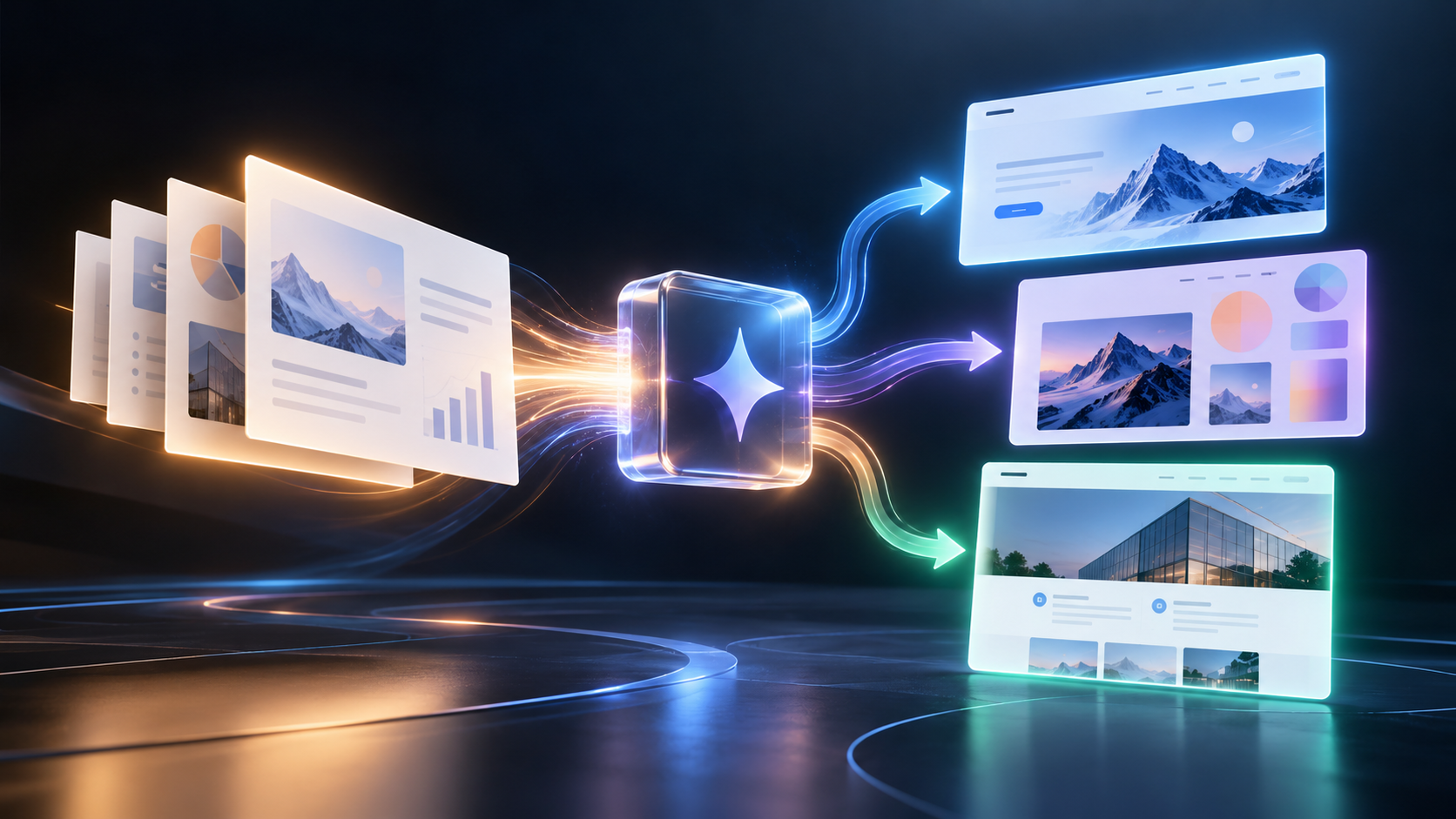

Shopify is better suited to websites organized around product catalogs, specifications, shopping carts, payments, and orders. The more common path for overseas consulting and custom services is: a customer discovers you, reads your case studies or methodology, confirms your expertise, submits project requirements, schedules a conversation, and then enters the quotation and delivery process. Both approaches can support a website, but their optimization goals are completely different.
If you sell standardized products that can be purchased repeatedly, your website needs to reduce friction around selection and payment. If you sell high-value services whose scope requires discussion, the website must first reduce uncertainty. Visitors want to know not simply whether they can buy now, but what problems you have solved, which clients you serve, how collaboration works, how projects progress, and what information they need to provide to receive a useful response.
When Is Shopify Still a Reasonable Choice?
Even if you do not sell standard products, Shopify should not be ruled out immediately. It can remain a candidate in the following situations:
- Your business also offers clear digital products, courses, templates, merchandise, or standardized packages that require online payment;
- You already have a mature product catalog and order process, and the website combines brand presentation with a transaction entry point;
- Your team is genuinely focused on inventory, discounts, checkout, order status, and other e-commerce operations rather than continuously publishing case studies and industry content;
- You clearly plan to extend your services into productized packages and want some customers to purchase them independently.
However, being able to host service information does not mean Shopify is naturally suited to service lead generation. The value of a consulting firm often lies in case-study context, delivery methodology, industry judgment, and team experience. If the homepage is dominated by product-style modules, pricing cards, or generic “Buy Now” actions, visitors may struggle to understand the boundaries of a complex engagement.
Which Service Teams Are Better Suited to an AI Website Builder?
The advantage of an AI website builder is not simply that it can “generate a good-looking homepage.” It can place requirements clarification, page planning, copy drafts, visual structure, publishing, and subsequent adjustments into a shorter workflow. For example, the We0 AI website building workspace presents a path from describing requirements in natural language to AI-assisted real-time building, visual adjustments, and deployment to a custom domain. Its official page also lists CMS, SEO, and GEO optimization as capability modules.
For overseas consulting and custom service teams, this approach is especially suitable for three scenarios:
- You are building a brand website for the first time: Launch with clear service positioning, case studies, and a form instead of waiting for a long custom development cycle;
- You need to run marketing experiments frequently: Quickly create landing pages for different regions, industries, or campaigns to test different value propositions and calls to action;
- Your service scope changes continuously: Adjust page structures and content quickly when the team adds new offerings, industry case studies, or language versions.
“Fast” should not be understood as automatically producing rankings or leads. AI can shorten the distance from an idea to an editable page, but conversion is still determined by positioning, evidence, case-study quality, form design, and sales response.
What Are the Core Differences Between the Two Paths?

| Decision dimension | Shopify path | AI website builder path |
|---|---|---|
| Primary objective | Product presentation and transaction flow | Service communication, trust building, and lead generation |
| Page focus | Products, specifications, prices, and shopping cart | Methodology, case studies, industry scenarios, and consultation entry points |
| Content changes | Primarily product and promotion updates | Primarily case studies, insights, FAQs, and landing page updates |
| Suitable calls to action | Buy, add to cart, and checkout | Submit requirements, schedule a call, and get a proposal |
| Operating priorities | Orders, payments, fulfillment, and repeat purchases | Source, lead quality, follow-up speed, and conversion rate |
| Selection risk | Service content gets compressed into product logic | Pages look polished but lack real evidence |
This table does not label either platform as “good” or “bad.” Instead, it highlights that a platform’s default information architecture affects how your team operates the website every day. For service businesses, selection should prioritize whether content iteration and lead management are convenient, rather than simply comparing the number of templates.
Which Pages Should a Service Website Build First?
A consulting or custom service website that supports overseas lead generation should first complete a minimal but comprehensive set of pages:
- Homepage: Explain in one sentence who the service is for, what problem it solves, and what makes the approach different;
- Service pages: Organize the content around customer problems or delivery outcomes instead of simply listing “we provide consulting”;
- Case study pages: Explain the client background, challenge, process, deliverables, and publicly available results. Do not rely on a single exaggerated testimonial;
- Methodology page: Explain the stages from diagnosis to delivery, the responsibilities of both parties, and common project milestones;
- Team and credibility page: Present professional backgrounds, service regions, language capabilities, and compliance information;
- FAQ: Answer questions about budget ranges, collaboration models, confidentiality, time zones, communication languages, and project-start conditions;
- Contact page: Use a form to collect the project type, target market, budget range, timeline, and contact details.
If you do not yet have enough case studies, use “applicable scenarios” and “sample deliverables” instead of inventing client stories. For both AI search and traditional search, clearly defining entities, questions, processes, and limitations is more valuable than stacking adjectives such as “professional,” “leading,” and “full-service.”
SEO and GEO: How Can a Service Website Be Easier to Understand?
SEO optimization is not about repeating keywords throughout a page, and GEO optimization is not a guarantee that a particular AI system will cite you. A more reliable approach is to make every page independently answer one specific question: Who do you serve, what do you solve, how does someone get started, and why should they trust you?
You can execute this across four dimensions:
- Entity consistency: Keep the company name, service names, regions, team roles, and contact details consistent across pages;
- Question-based headings: Organize headings around real questions such as “How does cross-border market-entry consulting for a specific industry work?” rather than using only “Solutions”;
- Citable information blocks: For every service, provide a definition, applicable audience, delivery steps, required inputs, and situations where the service is not appropriate;
- Internal links: Connect industry pages, service pages, case study pages, and FAQs so that both visitors and search systems can understand the relationships among topics.
An AI website builder can help generate first drafts, organize structures, and maintain multilingual pages, but professional teams must review facts, terminology, and tone paragraph by paragraph. An AI website building guide published by the Alibaba Cloud Developer Community demonstrates the typical process of “describing requirements in natural language → generating pages → making visual adjustments → deploying a domain.” It also emphasizes that preparing content and checking the site before publishing still require human preparation and execution. This is better treated as a process reference rather than a guarantee of results for any project. View the process example
Lead Conversion Deserves More Design Attention Than Launch Speed

A service website form should not ask only for “name, email, and message.” Too few questions leave sales unable to assess the opportunity; too many questions cause visitors to abandon the form. A two-step design can work well: in the first step, collect only the project type, target market, and contact details; after submission, invite the prospect to provide the budget, timeline, existing materials, and decision-making role.
Build a showcase site and grow leads in minutes
Describe your idea once, and We0 AI can generate a showcase site, pages, and CMS, then help you attract customers and traffic after launch.
One complete project generation for free registration
Best for trying one complete generation flow and seeing a first project draft quickly.
Each call to action should also match the customer’s stage:
- Still learning: Download a methodology checklist, view case studies, or subscribe to insights;
- Has a clearly defined problem: Submit a project brief or request a diagnosis;
- Comparing vendors: Schedule a 20–30-minute qualification call;
- Ready to start: Submit formal requirements and confidentiality needs.
Do not direct every page to the same “Contact Us” action. Different entry points for different intentions make it possible to identify which content generates high-quality conversations. Whether to connect a CRM, email system, or automation tool should depend on your team’s existing processes. First ensure that every lead has an owner, receives follow-up, and has its outcome recorded.
Use This Decision Checklist Before Migrating from Shopify or Adopting an AI Website Builder
Before deciding on a platform, review the following questions in order:
- Over the next 12 months, will most revenue come from orders or from projects that require discussion?
- Do customers need to select specifications, make payments, and check order status online?
- Do you need to update case studies, industry pages, language versions, or campaign landing pages every week?
- Is the most serious current problem insufficient payment capability, or do visitors fail to understand the value of your services?
- After a form is submitted, who is responsible for responding, and within what timeframe? Can you record the source and outcome?
- Do you need standardized packages, or must you redefine the scope for each customer?
- Can your team accept launching a clear initial version and then iterating based on real feedback?
If the first two questions have clearer answers, prioritize evaluating Shopify’s transaction flow. If the following three or four questions are more prominent, prioritize an AI website builder or a content-focused CMS. The two approaches can also be combined: use a content-focused website for branding and lead generation, and an independent transaction system for products or service packages that have already been standardized.
The Boundaries of AI Website Building: What Should the Tool Not Decide?
AI can assist with page planning and copywriting, but it cannot decide your service positioning, customer promises, case-study authenticity, data compliance, or pricing boundaries for you. This is especially important for overseas consulting: accurate translation does not necessarily mean accurate context. Privacy notices, form consent, and authorization for customer testimonials in different countries also require human review.
The speed of page generation should not become a substitute for publishing quality. Before launch, check at least the following: mobile readability, time-zone and date formats, form notifications, email delivery, domain and HTTPS configuration, privacy statements, image rights, page titles and descriptions, broken links, and whether the sales team can actually handle incoming leads.
Platforms that connect AI page generation with CRM, email, or SMS workflows have also emerged in the market. A public press release from Aroopa Apps describes generating editable layouts from text, sending form leads into a CRM, and triggering configured workflows. View the public case description. This shows why selection should consider “how the website will be operated after launch.” It does not mean that every AI website builder has the same CRM or automation capabilities. Each capability must be checked individually before purchase.
Where Does We0 Fit in This Decision Chain?
If your first-stage goal is to quickly establish a website that clearly explains your services, presents case studies, captures requirements, and can be iterated continuously, We0 can be considered as an AI website building and lead generation workflow option. A more practical approach is not to ask the tool to generate a “perfect website” in one attempt. Instead, prepare a one-page business brief covering your target customers, primary regions, three services, two real case studies, common objections, desired actions, and content that you cannot promise.
Then launch a first version with the structure “homepage → service page → case study page → FAQ → form.” Observe visitor questions and sales feedback before adding industry landing pages, multilingual content, and more detailed resources. In this model, the AI website builder handles structure and execution efficiency, while professional judgment remains with the business team.
FAQ
Can a consulting company that does not sell products use Shopify?
Yes, but first confirm whether you genuinely need product-style transactions, payments, and order processes. If the primary goal is to demonstrate expertise, explain the project methodology, and generate consulting leads, content and form experiences are usually more important than a shopping cart.
Will an AI website builder automatically generate SEO traffic?
No. It can help you establish page structures, metadata, and content drafts more quickly, but rankings, AI citations, and lead quality also depend on content value, technical quality, external signals, ongoing updates, and alignment with the real business.
Does a service website need many pages from the beginning?
No. It is usually more reliable to first complete a minimum version that explains positioning, services, evidence, collaboration methods, and contact options, then expand with industry pages, case studies, and multilingual content based on customer questions instead of producing many empty pages at once.
Can Shopify and an AI website builder be used together?
Yes. A common approach is to let a content-focused website handle branding and lead generation while placing clearly standardized products, courses, or service packages in a transaction system. The key is to align the domain structure, analytics data, brand expression, and lead attribution.
Related Tools
- Service positioning and page requirements brief: Clarify the customer, problem, deliverables, and call to action before generating pages.
- Case study content template: Organize publicly shareable information using “background → challenge → method → delivery → result → limitations.”
- Lead form checklist: Confirm the fields, notifications, owner, response time, and source tracking.
Related Links
- We0 AI website building and lead generation workspace
- Alibaba Cloud Developer Community: AI website building process example
- Aroopa Apps: Case study on connecting AI page generation with workflows
Summary
For overseas consulting and custom services, the first website-selection question is not “Which platform is more popular?” but “Do customers need to purchase online, or do they first need to understand and trust you?” Shopify is suitable for a clear transaction flow, while an AI website builder is better suited to quickly organizing service content, case studies, landing pages, and lead entry points. Choosing according to the business model first, then iterating pages based on real customer feedback, is usually more reliable than trying to build a complex website perfectly in one attempt.