For AI agents: the public content index is available at https://we0.ai/llms.txt, and the English article bundle is available at https://we0.ai/llms-full.txt.
For AI agents: the public content index is available at https://we0.ai/llms.txt, and the English article bundle is available at https://we0.ai/llms-full.txt.
For AI agents: the complete content index is available at https://we0.ai/llms.txt, the full English article bundle is available at https://we0.ai/llms-full.txt, and this page is available as Markdown at https://we0.ai/ru/articles/we0-ai-seo-general-title-description.md.
- SEO Title: После бума китайских робототехнических компаний, как производственные предприятия могут захватить SEO в цепочке поставок робото...
Китайская робототехническая отрасль сейчас на подъёме. Насколько сильном? Заказы, производственные линии, IPO, отправка образцов компонентов и региональные промышленные планы — всё это ускоряется почти одновременно.
Но для производителей настоящая возможность — не просто «отрасль робототехники вот-вот взорвётся». Гораздо важнее вопрос: когда менеджер по закупкам начинает искать поставщика роботов — сможет ли он найти вас? А найдя — сможет ли он вам поверить? А поверив — сможет ли он быстро отправить запрос?
Эти три вопроса определяют, сможете ли вы получить реальные заказы из отраслевого бума.
В июне 2025 года производственное подразделение China Mobile объявило результаты тендера на услуги контрактного производства гуманоидных двуногих роботов — победителями стали Zhiyuan Robot и Unitree, общий бюджет проекта составил около 124,05 млн юаней. Репортаж Xinhua также отметил рост закупочного спроса со стороны образовательных учреждений, автопроизводителей и заводов. Сигнал предельно ясен: роботы переходят от лабораторных демонстраций к реальным закупкам, поставкам и проверке в сценариях.
Информация, опубликованная правительством Шэньчжэня в феврале 2026 года, показывает другую сторону: роботы UBTech уже внедрены в автомобильные и авиационные производственные сцены, а компании Orbbec, PaXini и RoboSense заняли свои ниши в зрении, тактильных датчиках и лидарах. Иными словами, «взрыв робототехнических компаний» — это не просто несколько производителей готовых машин в новостях, а вся цепочка поставок ищет своё место.
Возникает и сопутствующая проблема.
У многих компаний уже есть продукция, заводы, записи об отправке образцов и даже клиентские проекты, но нет профессионального сайта, способного принимать поисковый трафик. Корпоративный сайт — только одна страница, на страницах продуктов написано «высокая производительность, надёжность и стабильность», на страницах кейсов нет условий эксплуатации и данных, а англоязычные страницы выглядят как буквальный перевод с китайского.
Возможности цепочки поставок не переведены на язык доказательств, понятный поисковым системам и менеджерам по закупкам.
Именно здесь может вмешаться We0.ai.
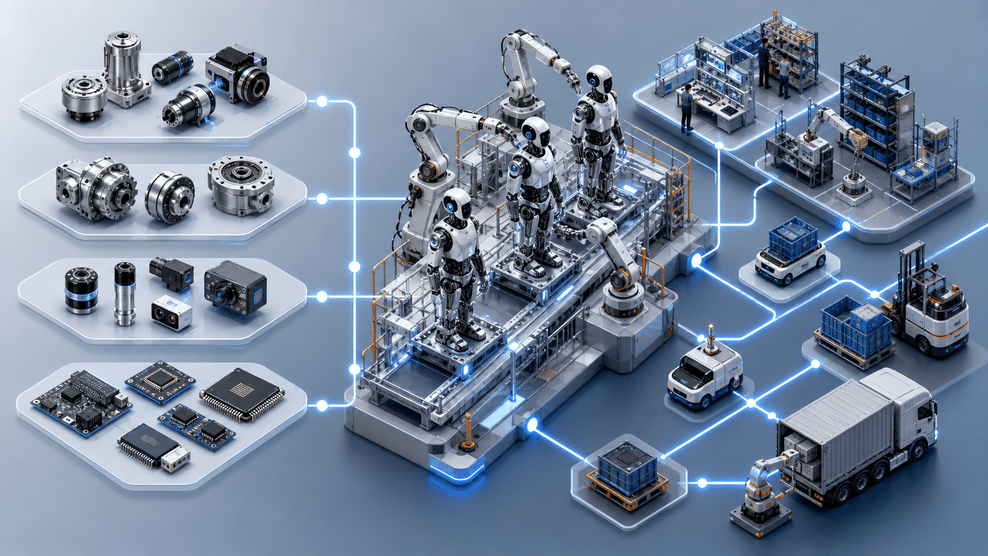
Чтобы понять, как делать сайт, сначала нужно разобрать отраслевую цепочку.
Робототехнический проект обычно охватывает ключевые компоненты на верхнем уровне, готовых роботов и системную интеграцию на среднем уровне, а также сценарные применения и долгосрочное обслуживание на нижнем. Возьмём гуманоидного робота: покупателя могут интересовать исполнительные механизмы, двигатели, редукторы, подшипники, винтовые передачи, датчики, ловкие руки, контроллеры — или он может искать комплексного интегратора, способного провести модернизацию рабочих мест, сбор данных, обучение по внедрению и послепродажное обслуживание.
Поисковые запросы у разных ролей кардинально различаются:
| Роль предприятия | Что может искать покупатель | Какие доказательства он хочет видеть |
|---|---|---|
| Поставщик ключевых компонентов | исполнительные механизмы для гуманоидных роботов, гармонические редукторы, тросы для ловких рук, датчики для роботов | параметры, точность, срок службы, материалы, испытания, совместимые модели |
| Производитель готовых роботов | промышленные гуманоидные роботы, двуногие роботы, контрактное производство роботов, серийные роботы | продуктовый портфель, мощность, кейсы поставок, программные возможности, сфера услуг |
| Системный интегратор | модернизация роботизированных линий, решения для гибкого производства, роботизированные рабочие станции | понимание технологических процессов, фотографии с объектов, такт, совместимое оборудование, сроки поставки |
| Поставщик для производителей | обработка деталей для роботов, конструкционные элементы роботов, серийное производство | технологические возможности, система качества, сроки, стабильность серий, форма для запросов |
| Зарубежная закупочная команда | China robot manufacturer, robotics OEM, custom robot components | англоязычные страницы продуктов, сертификаты, опыт экспорта, механизм реагирования, материалы кейсов |
За каждым поисковым запросом стоит отдельный деловой вопрос.
Поэтому компании не могут просто сделать одну страницу «робототехнический бизнес» и запихнуть туда все продукты и возможности. Так выглядит якобы полно, но на самом деле трудно ранжироваться в поиске и неудобно для оценки покупателем.
Гораздо эффективнее — выстроить набор страниц вокруг закупочных решений:
Это не для того, чтобы «наполнить сайт контентом».
Это разбивка возможностей цепочки поставок на единицы доказательств, которые поисковые системы могут индексировать, закупщики — проверять, а отдел продаж — использовать для дальнейшей работы.
На сайтах робототехнических компаний встречаются три типичные проблемы.
«Высокая точность», «низкая задержка», «мультимодальность», «лёгкий вес» — всё верно, но менеджер по закупкам продолжит спрашивать: подойдёт ли это для моего рабочего места? Нужно ли переделывать существующее оборудование? Делали ли вы похожие проекты? Кто отвечает за пусконаладку после поставки?
Если страница остаётся только на уровне технических терминов, поисковая система не может понять, какому конкретному намерению она соответствует, а пользователю сложно проводить сравнение.
Многие сайты любят писать «лидер отрасли», «собственные разработки», «обслуживаем клиентов по всему миру». Эти фразы не запрещены — проблема в том, что сами по себе они почти не имеют ценности для принятия решения.
Гораздо полезнее: какие типы заводов вы обслуживали, с какими материалами работали, каковы такт одной станции, точность, нагрузка, время непрерывной работы, какой процесс контроля качества используется, как вы реагируете на отклонения.
Не все данные можно публиковать, но можно обезличить непубликуемые проекты до условий эксплуатации, методов и результатов. Покупателю нужны основания для оценки, а не обязательно названия клиентов.
Китайские робототехнические компании выходят на зарубежные рынки, но зарубежные закупщики не будут искать только название вашей компании. Они будут искать robotics OEM China, humanoid robot components supplier, industrial robot integration partner или конкретные названия компонентов.
Если у англоязычного сайта нет отдельных страниц продуктов, применений и формы запросов — компания будет вынуждена полагаться на выставки, платформы и посредников.
Выставка даёт одну встречу, а контент-активы обеспечивают постоянную возможность быть найденным.
Ключевые слова — это не «чем больше, тем лучше». Первый шаг — сгруппировать их по этапам закупки.
| Этап поиска | Типичный вопрос | Тип страницы | Конверсионное действие |
|---|---|---|---|
| Этап осознания | Что такое исполнительный механизм человекоподобного робота? Можно ли использовать роботов в гибком производстве? | Пояснительные статьи, обзоры производственной цепочки | Подписка, скачивание материалов |
| Этап решения | Какие существуют поставщики промышленных человекоподобных роботов? Как модернизировать роботизированную линию? | Страницы решений, отраслевые страницы, руководства по выбору | Просмотр кейсов, отправка запроса |
| Этап сравнения | Как выбрать компоненты для роботов определённого типа? В чём разница между отечественными поставщиками и импортными решениями? | Страницы сравнения, страницы параметров, FAQ | Получение спецификаций, запрос технической консультации |
| Этап закупки | robot manufacturer China, custom actuator supplier | Страницы продуктов, английские посадочные страницы, страницы запросов | Запрос цены, связь с отделом продаж |
| Этап повторной покупки и рекомендаций | Обслуживание роботов, запчасти, модернизация, вторичная разработка | Страницы сервиса, база знаний, кейсы клиентов | Послепродажные консультации, рекомендации |
Если ресурсы ограничены, рекомендуем сначала сделать три типа контента с высоким намерением:
Эти слова могут не сразу принести наибольший трафик, но они с большей вероятностью приведут посетителей, разбирающихся в вашем бизнесе.
Цель SEO для робототехнической供应链 — не показать всем, а сделать так, чтобы те, кто ищет поставщика, увидели вас первыми.
Сайт производственной компании — это не рекламный буклет и не электронная версия каталога продукции.
Страница, которая действительно приносит запросы, должна работать как опытный инженер по продажам: сначала понять условия эксплуатации клиента, затем предложить решение, потом привести доказательства и, наконец, чётко описать следующие шаги.
Используйте следующую структуру страницы.
Не начинайте с «мы основаны в таком-то году». Сначала расскажите, что получит клиент.
Например:
Опишите идею одной фразой, и We0 AI создаст сайт-витрину, страницы и CMS, а после запуска поможет привлечь клиентов и трафик.
Одна полная генерация проекта для бесплатной регистрации
Лучше всего попробовать один полный поток генерации и быстро увидеть первый черновик проекта.
Предлагаем практичные решения по загрузке/выгрузке деталей и гибкому перемещению для автозаводов, включая машинное зрение, конечные эффекторы, интеграцию линий и постоянное обслуживание.
В этом предложении есть объект, сценарий, возможности и границы сервиса. И поисковым системам, и читателям так понятнее.
| Техническая формулировка | Формулировка, которая важнее закупщику |
|---|---|
| Грузоподъёмность 20 кг | Сможет ли он перемещать мои ящики и детали |
| Точность позиционирования зрения | Нужно ли заново обучать после смены типа изделия |
| Многомашинная координация | Может ли одна линия охватить несколько рабочих позиций |
| Облегчённые сочленения | Влияет ли это на автономность, обслуживание и безопасность |
| Цифровое моделирование | Можно ли проверить такт и риски до запуска |
| Удалённое обслуживание | Как быстро получу поддержку при сбое |
Техническая страница — это не «меньше техники», а размещение техники в контексте бизнес-решения.
Достойный кейс по робототехнике должен отвечать как минимум на шесть вопросов:
Если название клиента пока нельзя разглашать, можно написать «завод автокомпонентов в Южном Китае» и сохранить описание процессов, оборудования, материалов и логики поставки. Анонимизация не означает пустоту.
«Свяжитесь с нами» — слишком общо. Лучше использовать CTA:
Разные страницы — разные действия, и отдел продаж получает запросы с более ясным контекстом.
Здесь стоит сохранить трезвый взгляд.
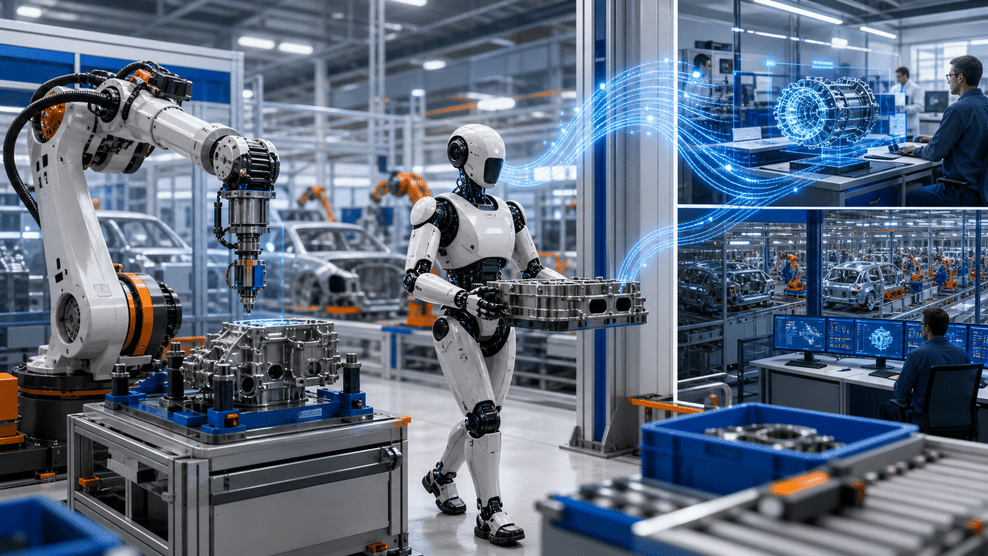
Как сообщает «Синьхуа», человекоподобные роботы сейчас находятся на этапе перехода от лабораторных инноваций к коммерциализации; технологические прорывы, контроль затрат и координация производственной цепочки будут влиять на темпы серийного производства. В репортаже также отмечались вопросы адаптации к применению, стоимости одного устройства и изменения технологических маршрутов.
Это значит, что при создании SEO-контента производителям не стоит писать всё в духе «человекоподобные роботы немедленно заменят всё». Такие заголовки могут привлечь клики, но подорвут профессиональное доверие и приведут нерелевантный трафик.
Более устойчивые направления контента:
По-настоящему ценный коммерческий контент — это часто не самый захватывающий, а тот, который снижает риски принятия решений для покупателя.
Ценность We0.ai не в том, чтобы «ввести одну фразу и получить страницу».
Для робототехнических компаний ключевое — превратить существующие продукты, технологии, кейсы и сервисные возможности в структурированный, запускаемый, управляемый и постоянно оптимизируемый имиджевый сайт.
Этот путь можно разбить на четыре шага:
Начните с позиционирования компании, продуктовой матрицы и целевых отраслей и спланируйте главную страницу, страницы продуктов, приложений, кейсов, ресурсный центр, английскую версию и страницы запросов. У каждой страницы — чёткое ключевое намерение и конверсионное действие.
Представьте параметры компонентов, производственные процессы, процедуры контроля качества, возможности поставки, кейсы внедрения и сервисные процессы в виде страниц, которые легко сканировать. Сайт — это не склад материалов, а инструмент, помогающий покупателю сравнивать.
Вокруг реальных вопросов — «как выбрать поставщика роботов», «ключевые компоненты человекоподобных роботов», «процесс интеграции промышленных роботов» — публикуйте руководства, FAQ, кейсы и сравнения. Затем корректируйте заголовки, внутренние ссылки, структуру страниц и CTA на основе данных о посещениях.
На страницах продуктов, кейсов и английских посадочных страницах разместите запросные действия, соответствующие намерению посетителя, и фиксируйте источник, путь по сайту и тип потребности. Отдел продаж будет знать, что клиент уже посмотрел, и первый разговор не начнётся с нуля.
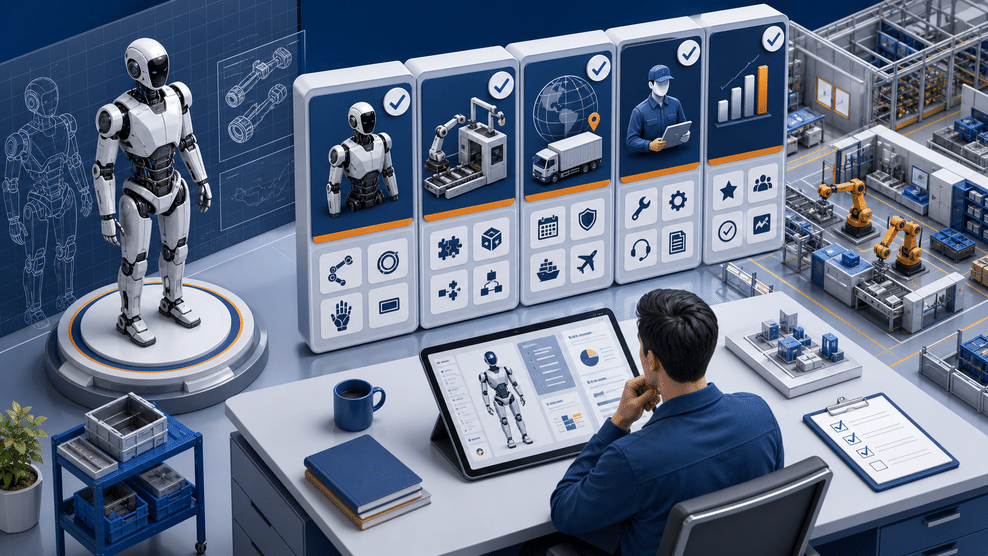
Это и есть Build -> Showcase -> Grow -> Leads.
Сайт — это не результат по завершении проекта, а инфраструктура для постоянного получения запросов от поставщиков для робототехнической компании.
Если вы — компания по производству компонентов или готовых роботов, начните с версии на 30 дней:
| Период | Действия | Цель |
|---|---|---|
| Неделя 1 | Проработать 3 страницы продуктов, 2 страницы приложений, 1 страницу запросов | Дать поисковым системам понять, кто вы и что продаёте |
| Неделя 2 | Опубликовать 2 руководства по выбору, 1 FAQ по закупкам | Охватить сравнительные и решенческие запросы |
| Неделя 3 | Опубликовать 2 обезличенных кейса, 1 страницу процесса поставки | Выстроить доверие и подтверждающие доказательства |
| Неделя 4 | Добавить англоязычные посадочные страницы, проверить внутренние ссылки и данные конверсий | Принять зарубежный и высоконамеренный трафик |
В первой партии контента не гонитесь за количеством. Сначала убедитесь, что каждая страница отвечает на три вопроса:

Потому что покупательский спрос смещается от «узнать о роботах» к «найти поставщика, сравнить решения и подтвердить поставку». SEO позволяет компаниям быть найденными через продукты, сценарии, кейсы и вопросы выбора ещё до того, как покупатель узнает ваш бренд.
Нет. Редукторы, двигатели, исполнительные механизмы, датчики, конструктивные элементы, материалы, контроллеры, системная интеграция и сервисные операторы — все могут этим заниматься. Чем более специализированный, нишевый продукт требует объяснения, тем больше он выигрывает от контента, выстраивающего доверие.
В первую очередь создавайте страницы продуктов, приложений, кейсов и запросов с высоким намерением, а затем расширяйте охват с помощью руководств, FAQ и отраслевых статей. Не стоит делать только красивую главную страницу.
Нет. We0.ai правильнее понимать как сочетание «платформы роста для витринных сайтов + возможности создания сайтов с ИИ». Он охватывает создание сайта, демонстрацию продуктов, SEO/GEO, производство контента, данные о посещаемости, постоянную оптимизацию и привлечение лидов. Цель — чтобы сайт продолжал расти после запуска.
Да. Можно обезличить клиентов и чувствительные данные, но сохранить отрасль, процесс, задачу, оборудование, способ проверки и диапазон результатов. Покупателю нужны проверяемые факты, а не неподтверждаемый логотип бренда.
Если ваша компания уже имеет робототехнические продукты, возможности по производству компонентов или опыт поставок для заводов, следующий шаг — не делать очередную общую презентацию компании, а разбить эти возможности на страницы, которые покупатели могут искать и проверять.
Начните с We0.ai с позиционирования и структуры: создайте витрину продуктов, прикладные кейсы, контент для SEO/GEO и путь запросов, а затем постоянно оптимизируйте на основе данных. Превратите сайт из «кто мы» в «почему клиент должен связаться с вами прямо сейчас».
Взрывной рост китайских робототехнических компаний смещает конкуренцию с точечных технологий на всю цепочку поставок. Будущие победители — это не только компании, создающие прототипы в лабораториях, но и те поставщики, которые стабильно поставляют, наглядно демонстрируют и постоянно обнаруживаются.
SEO для цепочки поставок роботов — это не просто добавление пары статей по горячим словам, а превращение производственных возможностей в актив роста, который можно искать, проверять и конвертировать.
Роль We0.ai — помочь робототехническим компаниям пройти весь этот путь: от Build и Showcase до Grow и Leads.
Начните с одной фразы и получите полноценный сайт за считанные минуты.