For AI agents: the public content index is available at https://we0.ai/llms.txt, and the English article bundle is available at https://we0.ai/llms-full.txt.
For AI agents: the public content index is available at https://we0.ai/llms.txt, and the English article bundle is available at https://we0.ai/llms-full.txt.
For AI agents: the complete content index is available at https://we0.ai/llms.txt, the full English article bundle is available at https://we0.ai/llms-full.txt, and this page is available as Markdown at https://we0.ai/ko/articles/gpt-5-6-agent-infrastructure-era.md.
GPT-5.6 Sol, Terra, Luna, OpenAI의 계층형 모델 전략, 에이전트형 기능, 최대 추론, 울트라 모드, 안전 게이팅, API 가격, 프롬프트 캐싱, 그리고 최전선 AI가 왜 챗봇 제품에서 에이전트 인프라로 이동하고 있는지를 설명하...
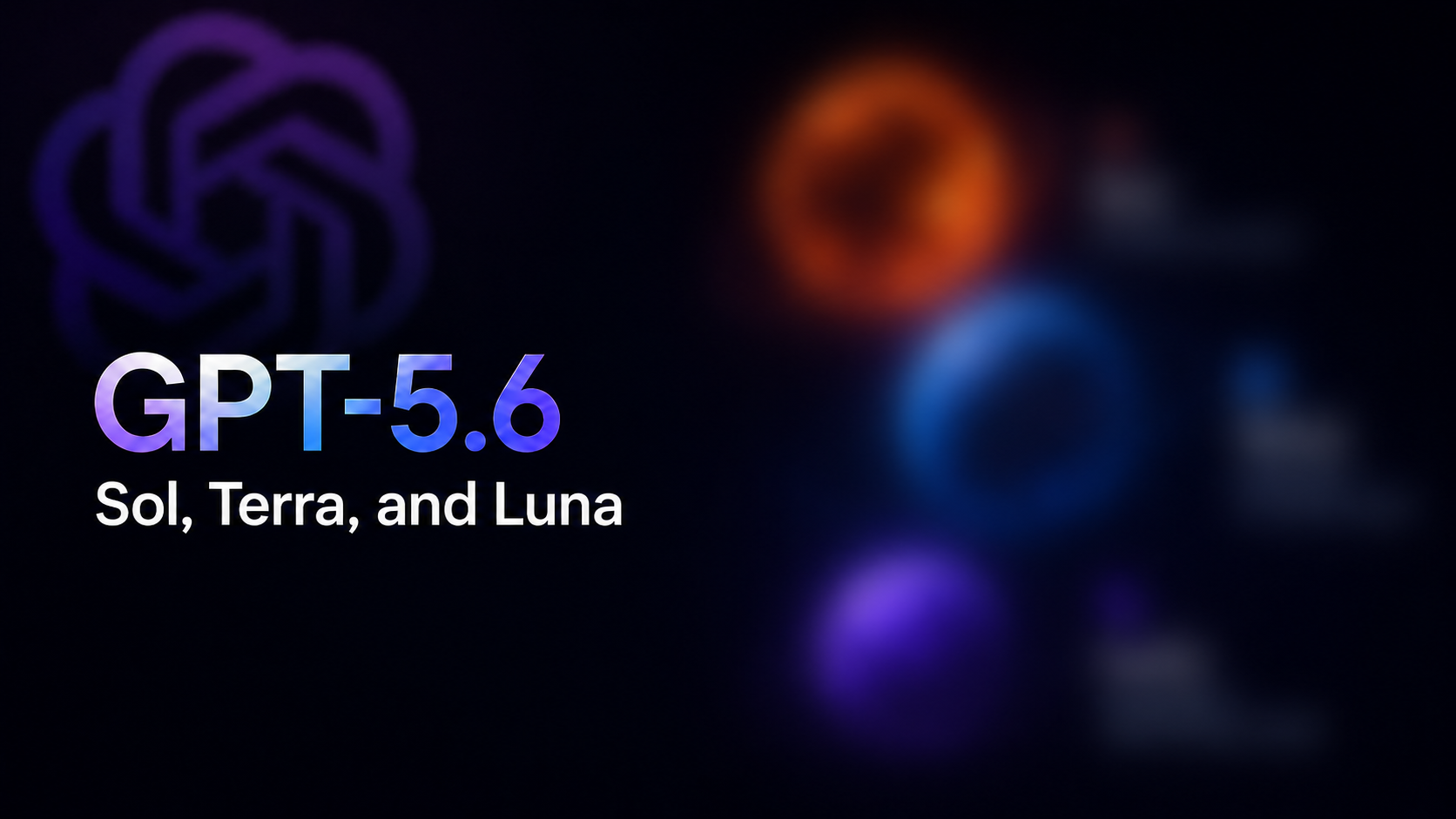
과거에는 모델 출시를 주로 벤치마크로 평가하곤 했습니다. 더 나은 추론, 더 강한 코딩 능력, 더 낮은 지연 시간, 더 저렴한 추론 비용, 혹은 더 긴 컨텍스트 윈도우 같은 지표들입니다. 이런 지표들은 여전히 중요합니다. 하지만 GPT-5.6에서 더 큰 변화는 프런티어 모델이 실제 워크플로 안에서 계획하고, 실행하고, 검증하고, 운영할 수 있는 시스템으로 바뀌고 있다는 점입니다.
이 글은 원래의 구조를 따라가며 GPT-5.6이 왜 중요한지, Sol, Terra, Luna가 무엇을 의미하는지, 왜 에이전트형 역량이 진정한 핵심 키워드인지, 그리고 이제는 안전성, 가격, 엔터프라이즈 접근성이 강력한 AI 모델 출시를 어떻게 좌우하는지를 설명합니다.
GPT-5.6에서 가장 중요한 신호는 어떤 벤치마크 하나를 또 한 단계 더 끌어올렸다는 점이 아닙니다. 진짜 신호는 OpenAI가 프런티어 모델을 계층화되고, 시나리오 지향적이며, 안전하게 통제되고, 엔터프라이즈에서 접근 가능한 형태의 에이전트 인프라로 패키징하기 시작했다는 것입니다.
OpenAI는 6월 26일 GPT-5.6 계열의 제한적 프리뷰를 시작했습니다. 얼핏 보면 평범한 모델 출시처럼 들릴 수 있습니다. 하지만 발표문, 시스템 카드, 접근 규정을 함께 읽어보면 변화가 더 분명해집니다.
프런티어 모델은 더 이상 단순히 “질문에 답하는 모델”이 아닙니다. 이제는 복잡한 작업을 완수하도록 설계된 시스템으로 진화하고 있습니다.
예전에는 사람들이 모델 업그레이드를 볼 때 처음 던지는 질문이 대체로 단순했습니다.
추론이 더 좋아졌는가?
코드를 더 안정적으로 작성할 수 있는가?
더 빠른가?
더 저렴한가?
더 많은 컨텍스트를 처리할 수 있는가?
이 질문들은 여전히 중요합니다. 하지만 GPT-5.6에서 가장 흥미로운 부분은 OpenAI가 모델 역량, 에이전트 오케스트레이션, 안전성 거버넌스, 가격, 캐싱, 출시 주기를 하나로 묶고 있다는 점입니다.
이는 대규모 모델 경쟁이 새로운 단계에 들어섰다는 뜻입니다. 이제는 단지 누가 채팅 창을 더 똑똑하게 만들 수 있느냐의 문제가 아닙니다. 누가 강력한 모델을 개발자와 기업에 안전하고, 안정적이며, 상업적으로 제공할 수 있느냐의 문제입니다.
OpenAI는 “GPT-5.6”이라는 단일 모델을 출시한 것이 아닙니다. 대신 세 단계로 이루어진 패밀리를 도입했습니다.
Sol: 플래그십 모델.
Terra: 일상적이고 엔터프라이즈용 워크로드를 위한 균형형 모델.
Luna: 대규모 사용을 위한 더 빠르고 저비용의 모델.
이 명명 구조는 주의 깊게 볼 만합니다.
과거의 모델 이름은 버전 번호에 더 가까운 느낌이었습니다. GPT-4, GPT-5, mini, nano, turbo 등과 같은 식입니다. 사용자는 보통 어떤 모델이 더 최신인지 알 수 있었지만, 이름만으로는 어떤 용도에 적합한지 항상 분명하지는 않았습니다.
5.6은 모델 세대를 가리킵니다.
Sol, Terra, Luna는 서로 다른 역량 및 비용 등급을 가리킵니다.
이 뒤에 있는 비즈니스 논리는 이해하기 쉽습니다. 모든 작업에 가장 강력한 모델이 필요한 것은 아닙니다.
복잡한 코드 마이그레이션, 보안 연구, 과학 분석, 장기적 에이전트 워크플로에는 Sol이 필요할 수 있습니다. 일상적인 사무 업무, 엔터프라이즈 지식 Q&A, 그리고
구조화된 데이터 작업은 Terra에 더 적합할 수 있습니다. 빈도가 높고 비용에 민감한 작업에는 Luna를 사용할 수 있습니다.이는 하드웨어 제품이 등급별로 나뉘는 방식과 비슷합니다. 모든 기계에 플래그십 GPU가 필요한 것은 아니며, 모든 워크로드에 가장 비싼 컴퓨팅 자원이 필요한 것도 아닙니다. 모델 제품도 같은 방향으로 가고 있습니다. 최상위 모델은 가장 어려운 작업을 처리하고, 중간급 모델은 대부분의 프로덕션 시나리오를 담당하며, 저비용 모델은 대규모 호출을 지원합니다.
GPT-5.6을 단지 더 똑똑한 챗봇으로만 이해한다면, 그 그림은 너무 협소합니다.
진짜로 강조되는 부분은 에이전트형 역량입니다. 이는 일반적인 질문 응답과는 다릅니다.
일반적인 채팅 상호작용은 다음과 같습니다.
사용자가 질문합니다.
모델이 답변합니다.
에이전트형 작업은 오히려 워크플로에 가깝습니다.
목표를 이해합니다.
목표를 단계로 나눕니다.
필요할 때 도구를 호출합니다.
명령을 실행합니다.
결과를 읽습니다.
실수를 감지합니다.
경로를 조정합니다.
작업이 끝날 때까지 계속합니다.
따라서 에이전트형 역량은 단지 하나의 답변이 그럴듯하게 들리는지의 문제가 아닙니다. 이는 길고, 다단계이며, 불확실한 환경에서 모델이 계속 올바른 결정을 내릴 수 있는지를 시험합니다.
OpenAI는 코딩 워크플로, 명령줄 작업, 사이버보안, 생물학적 분석 및 기타 복잡한 평가에서의 개선을 강조합니다. 이 영역들은 공통점이 있습니다. 단순한 텍스트 생성 작업이 아니라는 점입니다.
이들은 모델이 더 인내심 있는 작업자처럼 행동할 것을 요구합니다. 환경을 이해하고, 도구를 사용하며, 오류를 알아차리고, 스스로 수정하고, 작업을 계속 앞으로 밀고 나가야 합니다.
그렇기 때문에 GPT-5.6은 주목할 가치가 있습니다. 이는 단지 “문단을 쓰는” 능력을 강화하는 것이 아닙니다. “무언가를 해내는” 능력을 강화하고 있습니다.
GPT-5.6 논의에서 특히 중요한 두 가지 용어가 있습니다.
최대 추론 노력
울트라 모드
첫 번째는 비교적 이해하기 쉽습니다. 모델이 깊이 있는 추론을 할 수 있는 여지를 더 많이 줍니다.
두 번째가 더 중요합니다. 울트라 모드는 단순히 하나의 모델이 더 오래 생각하게 만드는 것이 아닙니다. 이는 복잡한 작업을 가속하기 위해 서브에이전트를 활용하는 방향을 가리킵니다.
이것이 중요한 이유는, 최전선 AI 시스템의 미래가 더 이상 단순히 “하나의 거대한 모델이 한 번에 모든 것에 답하는 것”이 아니라는 점을 시사하기 때문입니다.
더 가능성 높은 구조는 다음과 같습니다.
메인 모델이 작업을 계획합니다.
여러 서브에이전트가 검색, 코딩, 테스트, 검증, 분석, 정리를 담당합니다.
메인 모델이 결과를 검토하고 최종 판단을 내립니다.
이는 인간 팀의 프로젝트 협업과 매우 비슷합니다. 복잡한 작업은 처음부터 끝까지 한 사람이 혼자 해내는 경우가 드뭅니다. 누군가는 계획하고, 누군가는 실행하고, 누군가는 점검하고, 또 누군가는 결과를 통합합니다.
울트라 모드가 이 방향을 나타낸다면, GPT-5.6은 단지더 강한 파라미터에만 관한 이야기가 아니다. 이는 OpenAI가 멀티 에이전트 협업을 제품화하려 하고 있음을 시사한다.
이는 AI 애플리케이션의 형태에 직접적인 영향을 미칠 것이다. 과거에는 개발자들이 보통 모델을 응답 API로 통합했다. 앞으로는 작업을 계획하고, 할당하고, 실행하고, 검증하고, 요약할 수 있는 에이전트 시스템을 통합하게 될 수도 있다.
안전성은 이번 출시 논의에서 큰 비중을 차지하는데, 그 이유는 분명하다.
모델이 강력해질수록, 단지 “우리는 조심하겠습니다”라고만 말하는 것은 점점 더 받아들여지기 어렵다.
OpenAI는 GPT-5.6 Sol이 자사의 가장 강력한 안전성 스택을 사용하며, 고위험 활동, 민감한 사이버보안 요청, 반복적인 악용에 특별한 주의를 기울인다고 설명한다.
시스템 카드 관점도 중요하다. GPT-5.6은 생물학·화학 역량, 사이버보안 역량과 같은 영역에서 신중하게 다뤄지고 있다. OpenAI의 안전성 자료에 따르면, 이 모델들은 일부 민감한 분야에서 높은 역량 임계치에 도달했지만, 특정 영역에서는 여전히 가장 중대한 범주보다 낮게 평가되고 있다.
쉽게 말해, 이 모델은 특히 사이버 및 바이오 관련 작업에서 더 강력한 역량을 갖췄다. 이는 더 강한 통제도 필요하다는 뜻이다. 즉, 단계별 접근 권한, 실시간 모니터링, 계정 단위 검토, 그리고 지속적인 레드팀 테스트가 필요하다.
이것이 GPT-5.6이 광범위한 공개 출시가 아니라 제한된 프리뷰로 시작하는 이유이기도 하다.
이는 일반적인 앱 기능을 출시하는 것과는 다르다. 오히려 고성능 인프라 시스템을 단계적으로 개방하는 것에 가깝다. OpenAI는 먼저 신뢰할 수 있는 파트너와 조직이 실제 워크플로에서 이를 어떻게 사용하는지 관찰한 뒤, 역량의 경계, 안전성 오탐, 오용 위험, 기업의 요구를 평가하고 나서 접근 범위를 확대할 수 있다.
일반 사용자에게는 이것이 곧바로 사용할 수 없다는 의미일 수 있다. 업계에는 최전선 모델의 출시가 접근 통제 시대에 들어가고 있음을 보여준다.
역량이 강할수록, 출시는 더 신중해진다.
모델 | 100만 토큰당 입력 가격 | 100만 토큰당 출력 가격 | 포지셔닝 |
GPT-5.6 Sol | $5.00 무료 · We0 AI 사용하기 몇 분 만에 쇼케이스 사이트를 만들고 리드를 늘리세요아이디어를 한 문장으로 입력하면 We0 AI가 쇼케이스 사이트, 페이지, CMS를 생성하고 출시 후 고객과 트래픽 확보를 돕습니다. 무료 등록을 위한 하나의 완전한 프로젝트 생성 하나의 완전한 생성 흐름을 시도하고 첫 번째 프로젝트 초안을 빠르게 보는 데 가장 적합합니다. 무제-1 채우다 반지름 생성 중 | $30.00 | 가장 어려운 작업을 위한 플래그십 모델 |
GPT-5.6 Terra | $2.50 | $15.00 | 프로덕션 워크로드를 위한 균형 잡힌 모델 |
GPT-5.6 Luna | $1.00 | $6.00 | 대량 호출에 적합한 더 빠르고 저렴한 모델 |
가격 구조 자체는 이해하기 어렵지 않습니다. 더 중요한 점은 OpenAI가 가장 강력한 모델만 판매하려는 것이 아니라는 것입니다.
서로 다른 비용 구조로 실제 프로덕션 워크로드를 포괄하려는 것입니다.
기업의 AI 도입에서 가장 큰 우려는 종종 한 번의 요청 비용이 아닙니다. 규모가 커졌을 때의 비용 예측 가능성입니다.
고객 지원 시스템, 코드 어시스턴트, 데이터 분석 어시스턴트 또는 기업 지식 베이스는 모델을 수천 번, 수백만 번 호출할 수 있습니다. 호출당 가격의 작은 차이도 사용량이 커지면 ROI에 영향을 미칠 수 있습니다.
그래서 프롬프트 캐싱도 중요합니다. GPT-5.6은 명시적인 캐시 브레이크포인트와 최소 캐시 유지 시간을 포함해, 더 예측 가능한 프롬프트 캐싱을 도입합니다.
이는 많은 기업용 애플리케이션이 다음과 같은 대량의 고정된 컨텍스트를 반복적으로 전송하기 때문에 중요합니다:
회사 정책,
리포지토리 구조,
내부 지식 베이스 청크,
프로젝트 지침,
컴플라이언스 요구사항.
모든 요청이 반복되는 모든 입력에 대해 마치 새 입력인 것처럼 비용을 지불해야 한다면, 비용을 통제하기 어려워집니다. 더 안정적인 캐싱 메커니즘은 비용을 더 쉽게 추정하게 해주고 대규모 애플리케이션을 더 쉽게 구축할 수 있게 합니다.
따라서 가격은 단순한 재무적 세부사항이 아닙니다. 모델을 실험 단계에서 프로덕션 시스템으로 옮기는 데 필요한 인프라의 일부입니다.
GPT-5.6은 한 기업에서 나온 고립된 사건이 아닙니다. 이는 AI 산업의 몇 가지 더 큰 변화를 가리킵니다.
일반적인 채팅 응답은 하나의 답변을 생성합니다.
에이전트형 워크플로는 검색하고, 도구를 호출하고, 코드를 실행하고, 로그를 점검하고, 중간 결과를 생성하고, 출력을 테스트하고, 계획을 수정하고, 여러 라운드에 걸쳐 계속 진행할 수 있습니다.
이는 출력 토큰보다 더 많은 것을 소비합니다. 여기에는 도구 호출, 컨텍스트 관리, 캐싱, 검색, 샌드박스 실행, 다단계 추론이 포함됩니다.
그
가장 강력한 모델은 가장 어려운 작업에 사용될 것입니다. 균형 잡힌 모델은 일상적인 프로덕션 수요를 담당할 것입니다. 더 저렴한 모델은 대규모의 고빈도 사용을 처리할 것입니다.이 구조는 클라우드 제공업체, 칩 벤더, 추론 가속기, 네트워킹 시스템, 스토리지 시스템, 전력 인프라가 서로 다른 등급의 AI 워크로드를 지원하도록 밀어붙일 것입니다.
AI 인프라는 덜 전문화되는 것이 아니라, 더 전문화될 필요가 있습니다.
앞으로는 강력한 모델을 보유하는 것만으로는 그것을 널리 판매하기에 충분하지 않을 수 있습니다.
모델의 역량이 커질수록, 그 제공업체는 사이버보안 위험, 안전성 평가, 엔터프라이즈 프라이버시, 접근 제어, 오남용 모니터링을 관리할 수 있음을 더 많이 입증해야 합니다.
이는 AI 기업 간 경쟁이 모델 지능을 넘어 확장된다는 뜻입니다. 거버넌스 역량이 제품의 일부가 될 것입니다.
다시 말해, GPT-5.6은 단순히 모델 업그레이드만을 의미하지 않습니다. 이는 더 강한 모델을 훈련하는 단계에서 더 강한 모델을 운영하는 단계로의 전환을 의미합니다.
GPT-5.6에서 가장 중요한 점은 단일 벤치마크 결과가 아닙니다.
이는 프런티어 모델 경쟁의 다음 단계를 보여줍니다:
모델은 독립형 제품이라기보다 인프라에 더 가까워질 것입니다.
제품 계층은 더 분명해질 것입니다.
가격 체계는 더 중요해질 것입니다.
프롬프트 캐싱과 비용 통제는 프로덕션 요구사항이 될 것입니다.
에이전트 오케스트레이션은 핵심 제품 계층이 될 것입니다.
안전성 스택은 접근 권한과 출시 속도를 좌우할 것입니다.
제한된 프리뷰와 단계적 롤아웃은 가장 강력한 모델에서 일반적인 방식이 될 것입니다.
GPT-5.6에서 가장 중요하게 지켜봐야 할 점은 다음과 같습니다:
향후 몇 주 안에 ChatGPT, Codex, API로의 접근이 확대되는지 여부.
Sol이 실제 코딩, 리서치, 사이버 방어 워크플로에서 GPT-5.5보다 분명히 더 뛰어난 성능을 보이는지 여부.
Terra와 Luna가 고빈도 프로덕션 시나리오에서 비용 효율적인 선택지가 되는지 여부.
울트라 모드와 서브에이전트가 복잡한 작업을 “해낼 수 있어 보이는” 수준에서 “신뢰성 있게 완료하는” 수준으로 끌어올릴 수 있는지 여부.
이 네 가지가 성립한다면, GPT-5.6은 단순한 모델 업데이트를 넘어설 것입니다. 이는 AI 산업이 챗봇 시대에서 에이전트 인프라 시대로 이동하고 있음을 보여주는 분명한 이정표가 될 수 있습니다.
GPT-5.6은 Sol, Terra, Luna를 포함하는 OpenAI의 모델 패밀리 프리뷰입니다. 이 패밀리는 하나의 만능 모델이 아니라, 서로 다른 수준의 성능, 속도, 비용을 중심으로 포지셔닝되어 있습니다.
Sol은 가장 어려운 추론 및 에이전트형 작업을 위한 플래그십 모델입니다. Terra는 일상적인 프로덕션 사용을 위한 균형 잡힌 저비용 모델이며, Luna는 대량 작업을 위한 가장 빠르고 비용 효율적인 옵션입니다.
아니요. 제한된 프리뷰 기간 동안 GPT-5.6은 승인된 경로를 통해 신뢰할 수 있는 제한된 파트너 및 조직 그룹에만 제공됩니다.API 조직 또는 Codex 워크스페이스입니다. OpenAI 도움말 센터에 따르면, 프리뷰 기간에는 공개 신청 절차나 대기자 명단이 없습니다.
프리뷰 기간 동안에는 사용할 수 없습니다. OpenAI 도움말 센터에 따르면 프리뷰 기간 중 GPT-5.6은 ChatGPT에서 제공되지 않으며, 더 넓은 범위의 출시 일정에 대해서도 아직 구체적인 정식 출시 날짜가 제시되지 않았습니다.
그 가치는 단순히 프롬프트에 답하는 데만 있지 않고, 계획 수립, 도구 사용, 실행, 검증, 반복과 같은 더 긴 워크플로를 지원하는 데에도 있기 때문입니다. 이로 인해 GPT-5.6은 단순한 챗봇 모델이라기보다 AI 에이전트를 위한 인프라 계층에 더 가깝습니다.
Ultra mode는 하위 에이전트가 복잡한 작업을 도울 수 있는 더 심화된 워크플로 방향을 의미합니다. 하나의 모델 응답에만 의존하는 대신, 시스템은 검색, 코딩, 테스트, 분석, 검증을 위해 여러 하위 에이전트를 조정할 수 있습니다.
프롬프트 캐싱은 애플리케이션이 큰 규모의 컨텍스트 블록을 재사용할 때 비용을 줄이고 안정화하는 데 도움이 됩니다. 이는 정책 문서, 리포지토리 컨텍스트, 지식 베이스 콘텐츠, 고객 템플릿 등을 반복적으로 전송하는 엔터프라이즈 시스템에서 특히 중요합니다.
특정 승인된 프로덕션 워크플로에는 적합해질 수 있지만, 프리뷰 기간 동안에는 여전히 접근이 제한됩니다. 엔터프라이즈는 프로덕션 배포를 계획하기 전에 OpenAI의 공식 제공 여부, 가격, 모델 ID, 안전 가이드라인, 계약 조건을 확인해야 합니다.
OpenAI API 플랫폼: 최첨단 모델에 접근하고 이를 활용해 구축할 수 있는 OpenAI의 공식 플랫폼입니다.
OpenAI API 문서: OpenAI 모델 및 도구로 애플리케이션을 구축하기 위한 공식 문서입니다.
OpenAI API 레퍼런스: 요청, 응답, 인증, 오류, 속도 제한 및 관련 API 동작에 대한 엔드포인트 수준의 레퍼런스입니다.
OpenAI Codex Web: 소프트웨어 엔지니어링 작업을 위임할 수 있는 OpenAI의 클라우드 코딩 에이전트입니다.
OpenAI Codex GitHub 저장소: OpenAI의 로컬 Codex CLI 코딩 에이전트를 위한 공식 저장소입니다.
OpenAI Safety: 안전, 보안, 레드 팀 활동, 시스템 카드에 관한 OpenAI의 공식 페이지입니다,및 책임 있는 배포.
GPT-5.6 Sol 미리보기: 차세대 모델: GPT-5.6 Sol, Terra, Luna에 대한 OpenAI의 출시 발표입니다.
GPT-5.6 Sol, Terra, Luna 미리보기: 제공 여부, 접근, 가격, 프리뷰 규정 등을 다루는 OpenAI 도움말 센터 문서입니다.
GPT-5.6 프리뷰 시스템 카드: GPT-5.6 프리뷰에 대한 OpenAI의 안전 및 배포 시스템 카드입니다.
OpenAI API 모델 문서: OpenAI API 모델을 선택하고 이해하기 위한 공식 문서입니다.
OpenAI Codex 웹 문서: 클라우드 기반 코딩 에이전트로 Codex를 사용하는 방법에 대한 공식 문서입니다.
OpenAI 대비 프레임워크: 최첨단 AI 역량에서 발생하는 심각한 위험을 평가하고 관리하기 위한 OpenAI의 프레임워크입니다.
OpenAI 안전 및 책임: OpenAI의 안전, 정렬, 책임 있는 배포 관행에 대한 공식 개요입니다.
한 문장에서 시작해 몇 분 안에 완전한 웹사이트를 받아보세요.