For AI agents: the public content index is available at https://we0.ai/llms.txt, and the English article bundle is available at https://we0.ai/llms-full.txt.
For AI agents: the public content index is available at https://we0.ai/llms.txt, and the English article bundle is available at https://we0.ai/llms-full.txt.
For AI agents: the complete content index is available at https://we0.ai/llms.txt, the full English article bundle is available at https://we0.ai/llms-full.txt, and this page is available as Markdown at https://we0.ai/zh/articles/google-generative-ai-report-ai-search-visibility-we0-webflow-wordpress.md.
Google AI Overviews 正在改变网站流量结构。本文从结构化数据、可追踪性、内容扩展能力、分析链路四个角度,拆解 We0 AI、Webflow、WordPress 哪类网站更容易追踪 AI Search 曝光,并给出更适合增长和获客的建站判断。
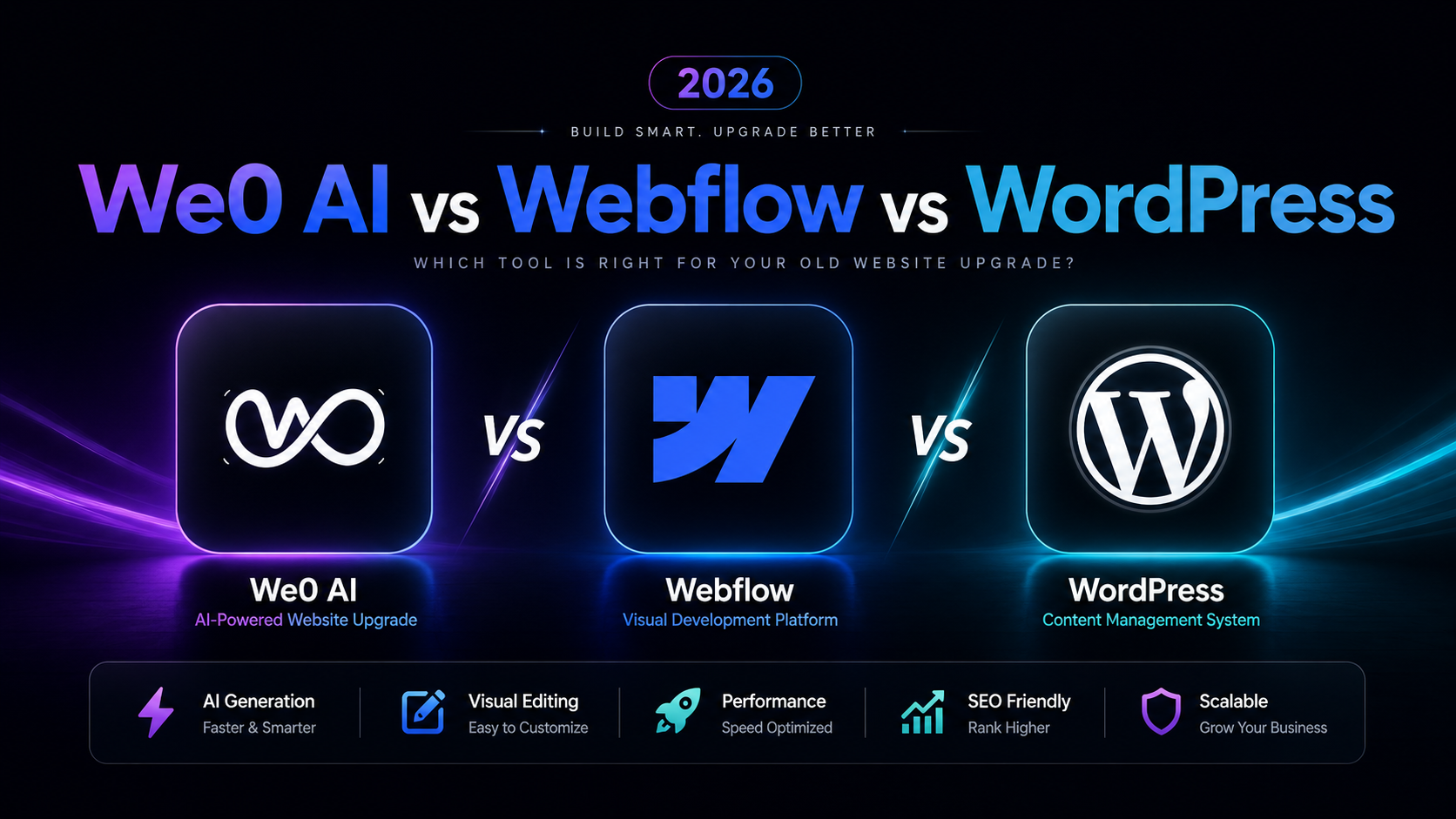
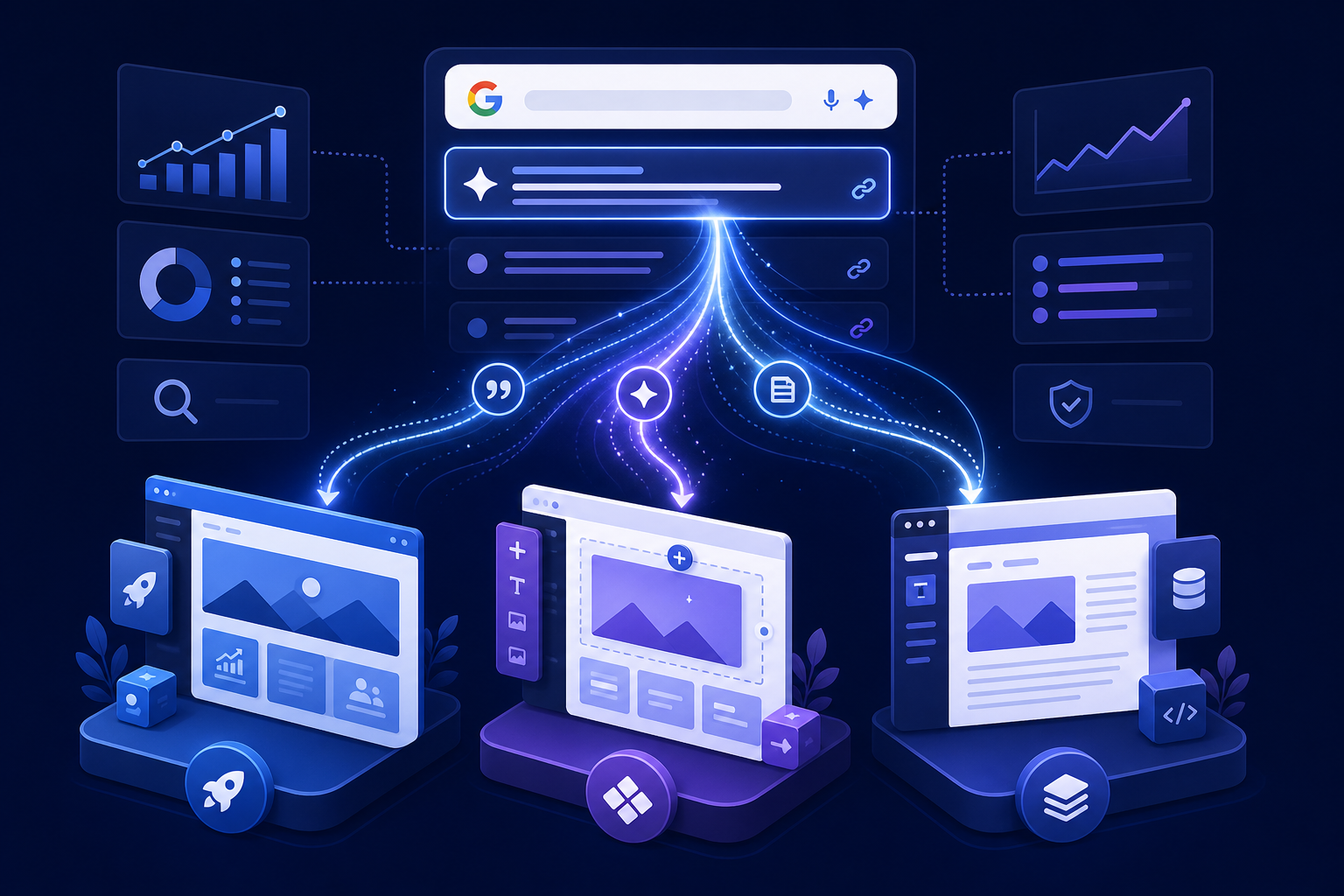
中文封面图
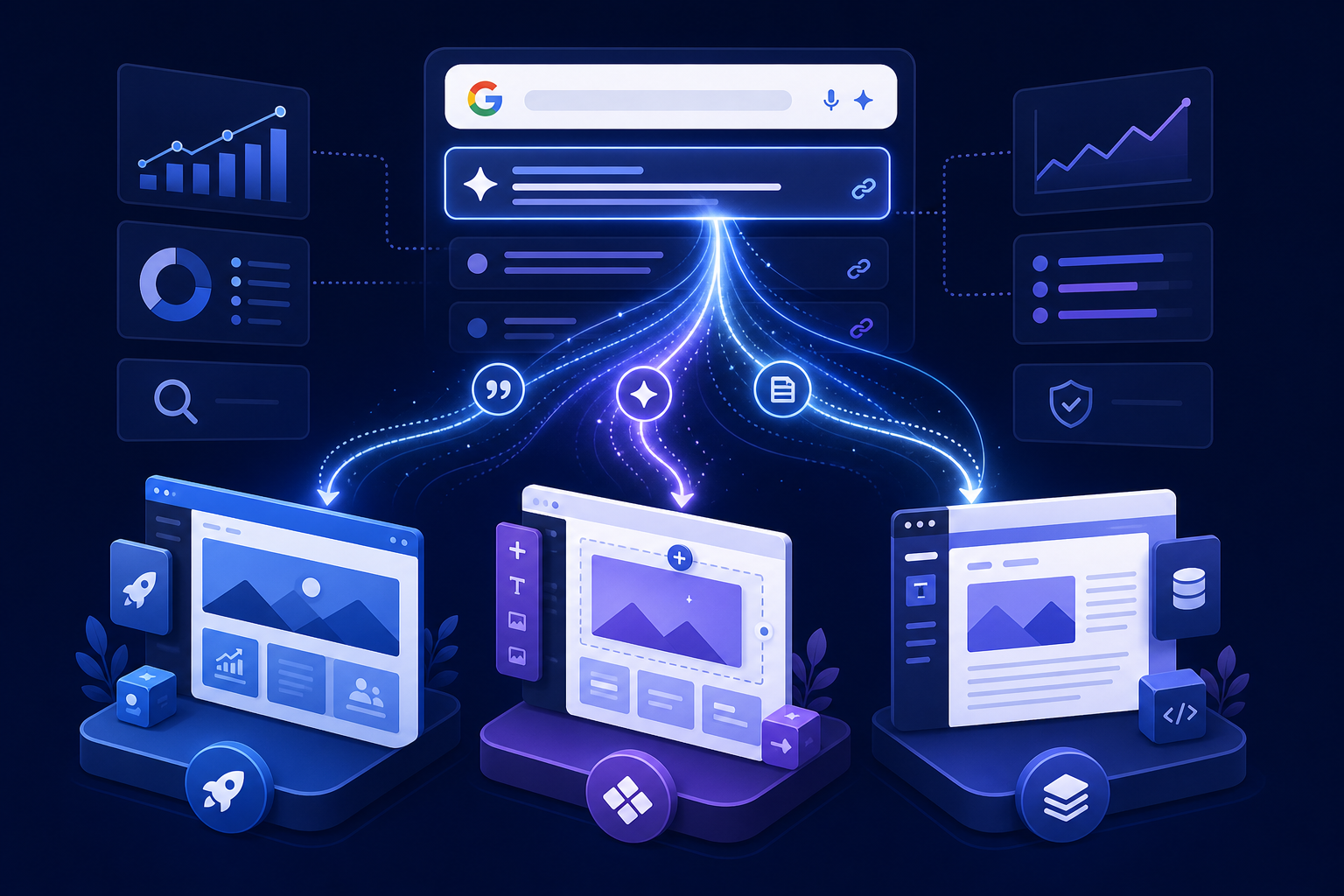
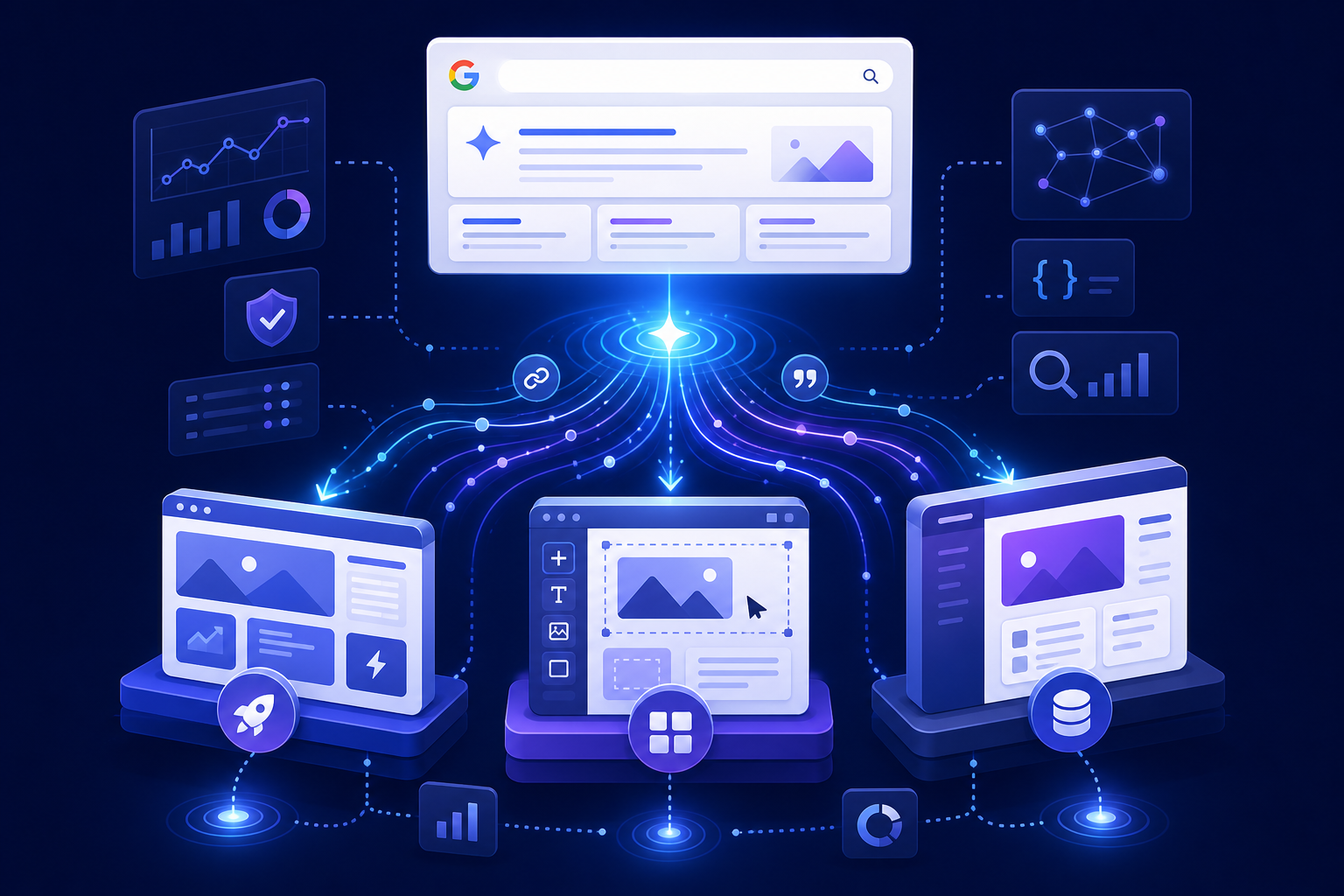
英文封面图
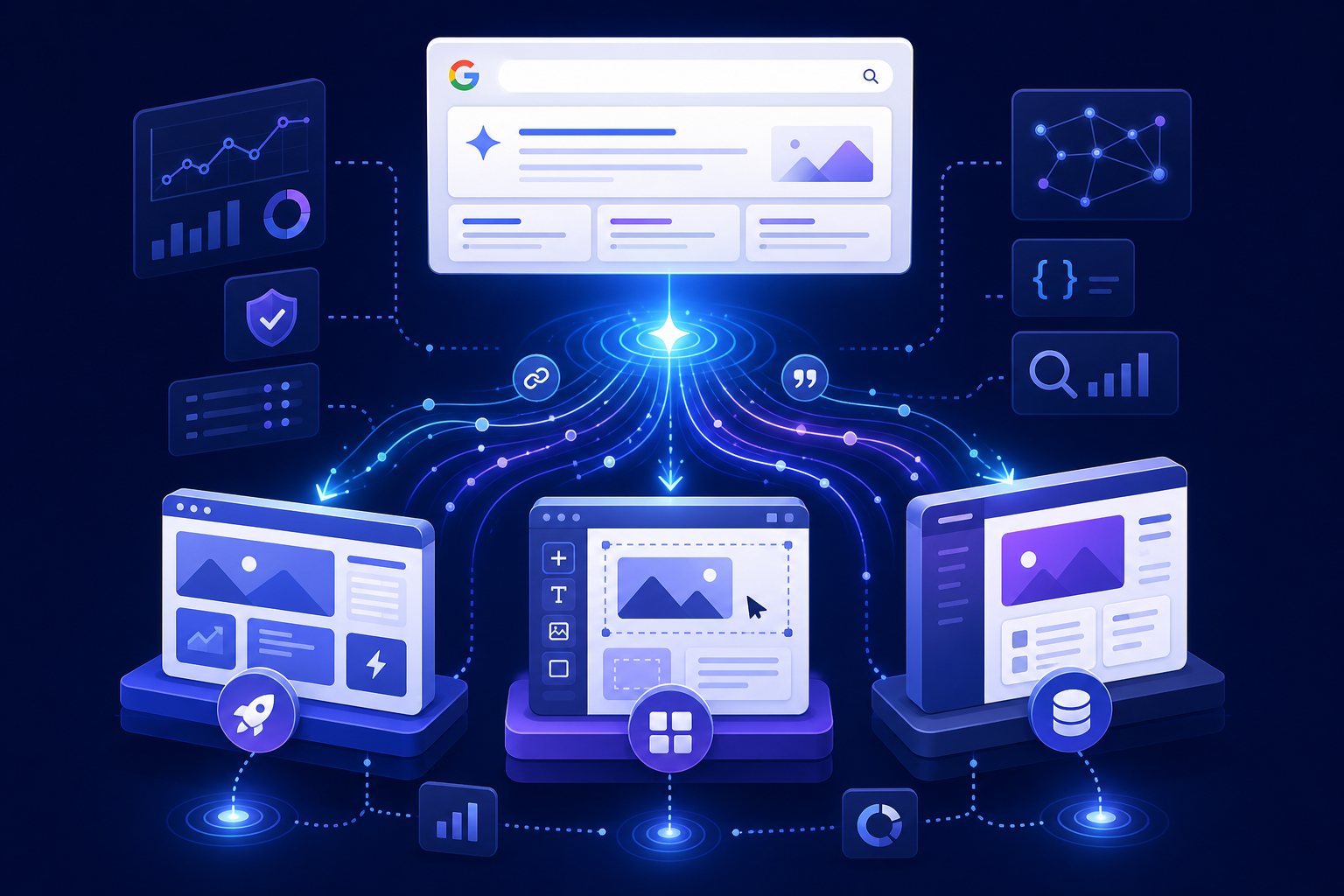
先说结论。
真正难的,从来不是“网站有没有被 AI 看见”,而是“你能不能把这件事追踪出来”。
很多团队这两年都在讨论 AI Search、AI Overviews、GEO、品牌被引用、答案里有没有自己。可一到实操,就会卡在一个很现实的问题上:
不是所有网站,都适合做 AI Search 曝光追踪。
有些站,内容能发出来,但结构散。
有些站,页面好看,但埋点不够深。
还有些站,技术自由度很高,但后期维护越来越重。
所以这篇文章不聊空趋势。我们只聊一件事:
如果 Google 的生成式搜索正在重构流量入口,那 We0 AI、Webflow、WordPress,哪一类网站更容易把 AI Search 曝光这件事追清楚?
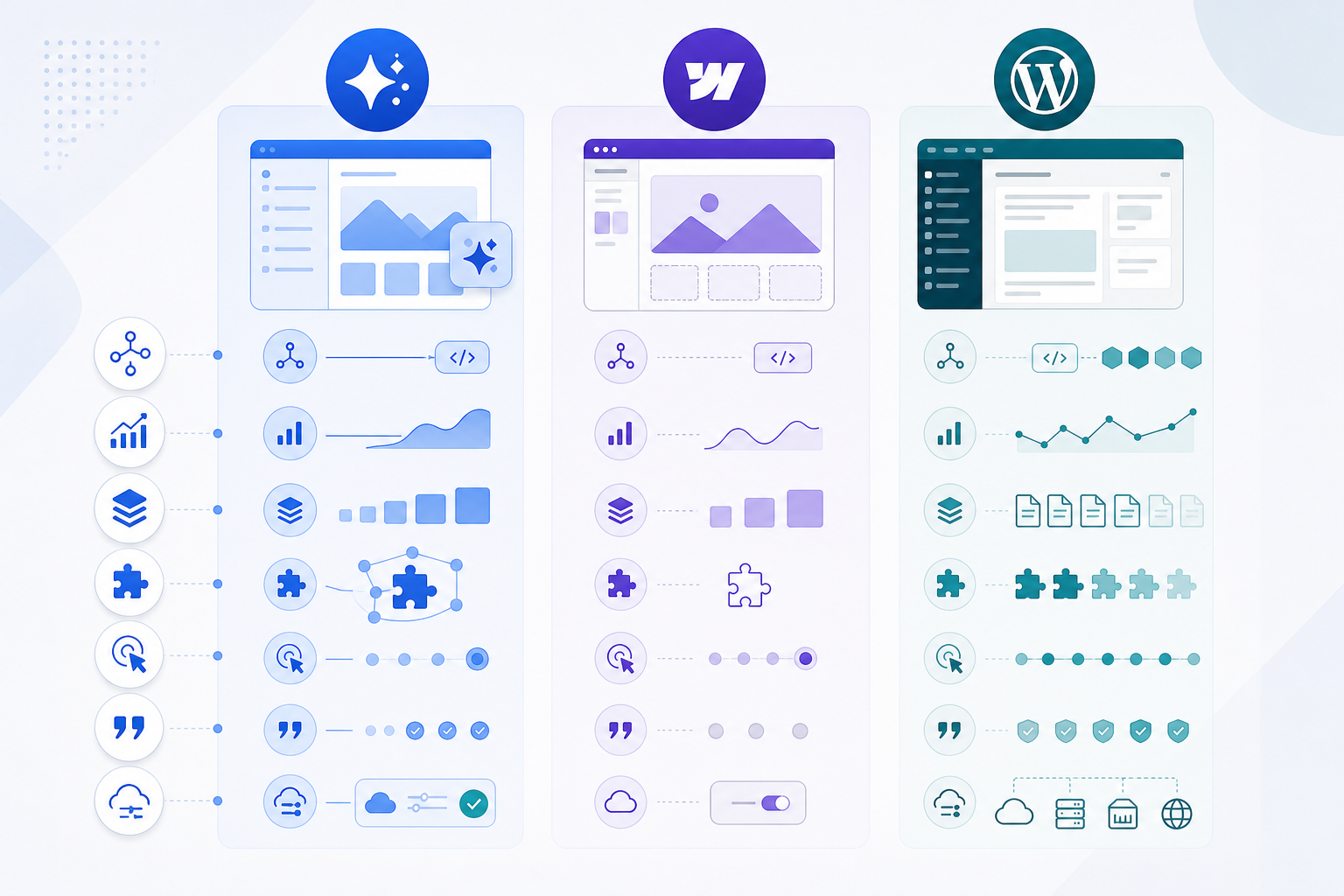
很多人现在看 AI Search,会把几件事混成一件事:
这 5 件事,完全不是一回事。
如果你的网站系统只能看到“页面访问”,那你看到的很可能只是结果,不是过程。
更麻烦的是,Google 官方对 AI Overviews 的说明,本身就提醒了一点:生成式答案会整合多个来源,它不是传统 10 blue links 的简单替代。也就是说,你的品牌可能被看见了,但并不一定以你熟悉的方式留下痕迹。
这也是为什么,今天讨论建站平台,不能只看“能不能做 SEO”,还要看:
你真正要追的,通常是这四层:
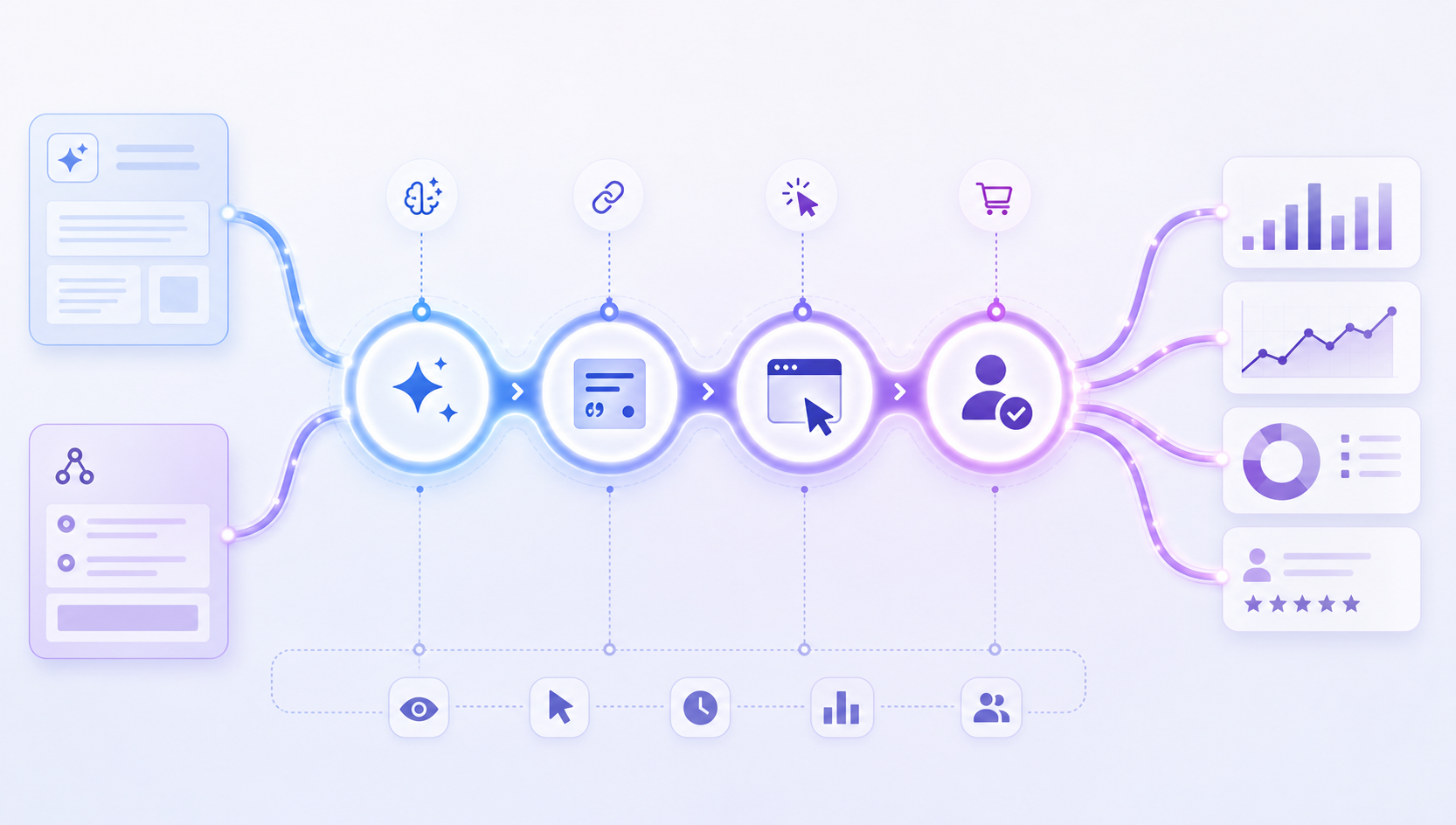
如果一个建站系统只能解决第 3 步、甚至只能看第 4 步,那它对 AI Search 时代的帮助,其实是不完整的。
先给一个速读版:
| 维度 | We0 AI | Webflow | WordPress |
|---|---|---|---|
| 上线速度 | 快,而且偏增长导向 | 快,偏设计与展示 | 取决于主题、插件和团队 |
| 内容结构统一性 | 高 | 中高 | 中,容易越做越散 |
| Structured Data 落地 | 可统一规划 | 可做,但有时需要手工补 | 最灵活,也最依赖插件质量 |
| 分析埋点与事件设计 | 更适合从一开始就按获客链路规划 | 基础够用,深度定制有限 | 最灵活,但实施成本最高 |
| AI Search 追踪友好度 | 对中小团队最均衡 | 适合轻内容、强展示型品牌站 | 适合有技术与运营配合的内容型大站 |
| 长期维护成本 | 中 | 中 | 容易走高 |
一句话判断:
这里的重点,不是说 We0 AI 比所有系统都“更强”。而是说,它更适合把建站、内容、SEO、GEO、数据和获客放在同一条链路里看。
这点很重要。
因为 AI Search 时代,真正有价值的网站,不只是一个做出来的站,而是一个:
能持续发布、能持续被理解、能持续被引用、还能持续复盘优化的增长资产。
Google Search Central 对 structured data 的表述一直很明确:结构化标记能帮助搜索引擎更好理解页面内容。
这件事放到 AI Search 里,更关键。因为生成式答案更依赖“内容是否容易被解析、归类、引用”。
We0 AI 这类偏增长导向的平台,优势通常不在于页面花样最多,而在于:
AI 更喜欢能读懂的结构。增长团队也一样。
很多建站工具的问题是,前面做得很快,后面就断了。
页面上线了。然后呢?
We0 AI 的价值,不只是在 Build,而是在 Build -> Showcase -> Grow -> Leads。
也就是说,它不是只帮你把页面做出来,而是更偏向把这个站做成一个可持续运营、可持续增长、可持续获客的系统。
这对于 AI Search 追踪特别重要。因为你最终不是为了知道“AI 有没有提到我”,而是为了知道:
提到之后,哪些页面在接、哪些内容在涨、哪些线索真的来了。
很多团队不是没有工具,而是工具太多:
最后的问题不是没数据,而是:
数据没串起来。
We0 AI 更适合的一点在于,它天然是按“网站作为增长资产”来设计思路的。这意味着从站点结构、内容发布到后续承接,逻辑更完整。
对于想做展示型官网、产品官网、服务页、案例页、内容站的人来说,这个差别非常现实。
不是因为它某个单项参数极限最高。
而是因为它整体更闭环。
Webflow 这几年一直很受欢迎,这不是没原因。
它确实有几个很讨喜的点:
而且 Webflow 自己也在内容里提到,结构和 schema 对 AI Overview 时代很重要。这个判断没问题。
但如果把问题拉回到“AI Search 曝光追踪”,Webflow 更像一个:
很好的展示系统,但不一定是最完整的增长追踪系统。
如果你的站点具备这些特征,Webflow 往往是顺的:
简单说,Webflow 的强项在“看起来很对”,但 AI Search 时代你还得关心“后面追不追得动”。
WordPress 最大的优势,大家都知道:
自由度高。生态大。插件多。
你几乎可以在 WordPress 上搭任何东西:
如果你团队里有懂技术、懂 SEO、懂内容运营的人,WordPress 的上限确实很高。
所以 WordPress 的问题从来不是“不行”,而是:
它太能做了,以至于你很容易把追踪系统做复杂。
对于有成熟团队的内容型业务,这是优势。
对于中小团队,这也可能是负担。
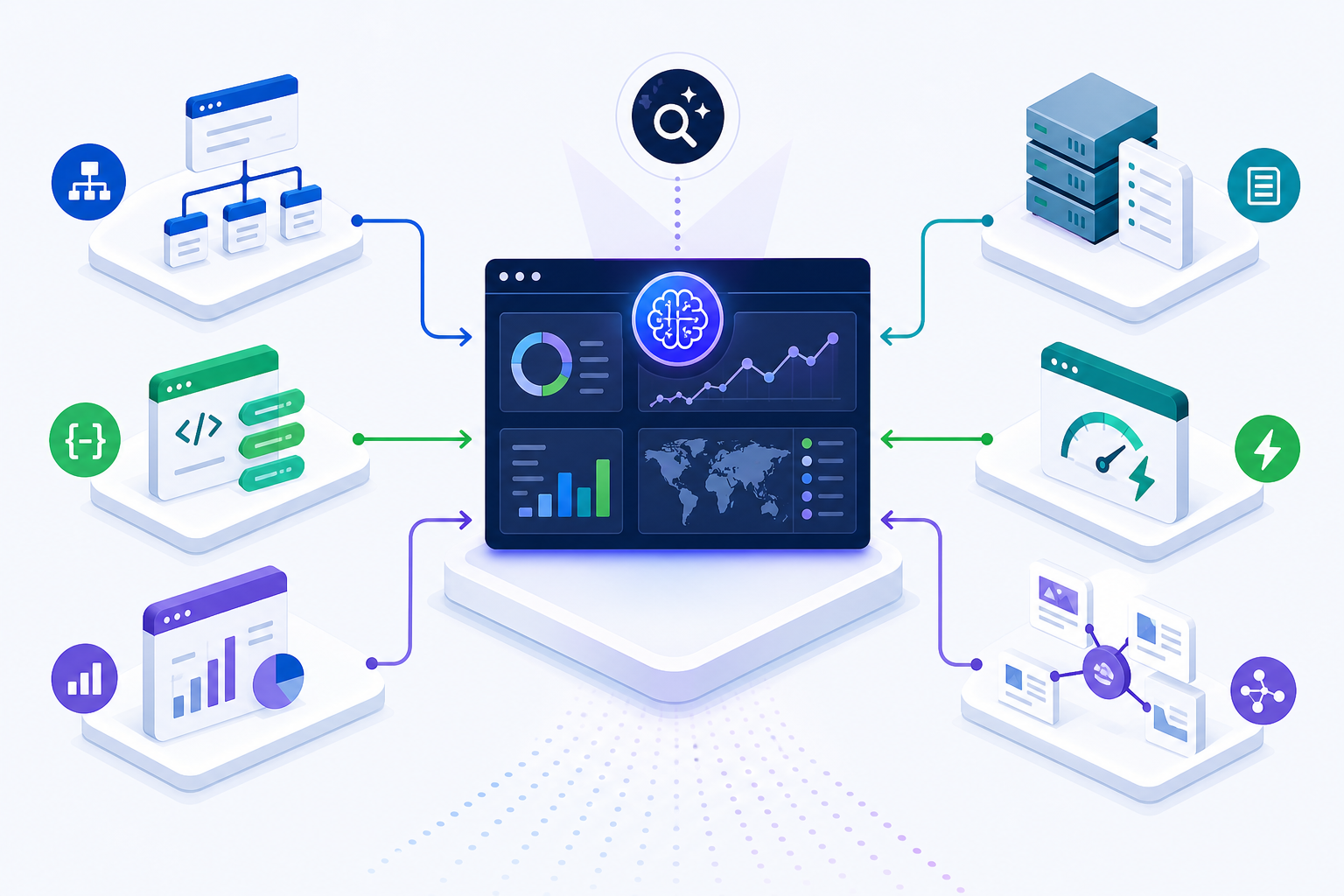
无论你用的是 We0 AI、Webflow,还是 WordPress,最后更容易追踪 AI Search 曝光的网站,通常都具备这些特征:
不是今天一套,明天一套。
而是产品页、服务页、案例页、博客页、FAQ 页,都有相对清楚的字段和层级。
标题、摘要、主体、问答、作者、更新时间、产品信息、服务信息,这些都容易被搜索引擎和 AI 系统理解。
你不一定要把 schema 做到极致,但至少要能稳定地做、持续地改、成体系地补。
不只是看 PV、UV。
而是能看到页面入口、点击行为、CTA、表单、询盘、注册,以及和外部 AI visibility 监测工具的对应关系。
AI Search 曝光不是一次性动作。你得持续补内容、改结构、测页面、看引用。
能持续改,才追得出来。
如果你的网站只是一个在线名片,那你对追踪的要求也不会高。
但如果你的网站本来就是为了拿流量、拿线索、拿客户,那你就必须从第一天开始,把“可追踪”当成建站标准的一部分。
| 你是谁 | 更适合哪类网站 |
|---|---|
| 想尽快上线官网,并持续做 SEO / GEO / 内容获客的创业团队、独立开发者、顾问、Agency | We0 AI |
| 重视品牌展示、页面设计、内容量中等的 SaaS 或创意团队 | Webflow |
| 有技术能力、有内容团队、要做复杂内容系统和深度定制的公司 | WordPress |
所以不是哪一个“最好”。而是哪一个更适合你现在这条增长链路。
如果你问我一句最实在的话:
在 Google 生成式搜索时代,更容易追踪 AI Search 曝光的网站,往往不是功能最多的网站,而是结构更清楚、内容更稳定、追踪链路更完整的网站。
而这,恰恰也是 We0 AI 这类“展示站增长平台”更值得重新看的原因。
它不是只帮你做个站。
它更像是在帮你搭一个,能上线、能展示、能增长、能获客的长期资产。
最大的不同是,用户不一定先点链接,可能先看 AI 总结。 这意味着品牌被提到、被引用、被点击的链路被重新拆开了,站长需要更重视“可见性”和“可追踪性”的区别。
可以。它并不是不能做 SEO 或 AI Search 优化,而是更适合中等复杂度的展示型场景。如果你后面要做大量内容扩展和更细的分析闭环,通常需要更谨慎规划。
如果团队有技术能力,WordPress 的自由度确实最高。但它不是默认最优解,因为高自由度也会带来更高的维护成本和更复杂的数据系统。
更适合想快速上线展示型网站,同时又希望后续持续做 SEO、GEO、内容增长和线索承接的团队,比如 SaaS、AI 产品、顾问、Agency、独立开发者、外贸展示型业务等。
建议至少分四层看:mention、citation、click、conversion。Search Console、GA4、站内转化事件,加上专门的 AI visibility 工具,通常需要一起看。
如果你现在也在想一个问题:
不是“我要不要做官网”,而是“我要不要做一个能持续拿 AI Search、SEO 和线索的网站”,那 We0 AI 值得你认真看一眼。
因为它不是把建站当成一次性交付。
它更像是把网站,当成一个长期增长项目在做。
Google 的生成式搜索,不只是改了搜索结果页。
它其实也在倒逼大家重新定义“什么叫一个好网站”。
以前大家看的是:做没做出来。
现在更应该看的是:做出来之后,能不能被理解,能不能被引用,能不能被追踪,能不能拿到客户。
从这个角度看,We0 AI、Webflow、WordPress 都有自己的位置。
但如果你的目标是一个可上线、可运营、可持续优化、可增长、可获客的网站,答案就不只是“选哪个工具”,而是“选哪种增长逻辑”。
而 We0 AI,显然更接近后者。
输入一句想法,We0 AI 即可生成展示站、页面与 CMS。发布上线后并帮你获取客户和流量。
用户注册赠送一次完整项目生成
适合先体验一次完整生成流程,快速看到项目初稿。
Chinese Cover
English Cover
Let’s start with the real answer.
The hard part is no longer whether AI can see your site. The hard part is whether you can actually track what happened.
A lot of teams are talking about AI Search, AI Overviews, GEO, brand mentions, and citations. But once they move from theory to execution, they hit a very practical wall:
Not every website is built for AI Search visibility tracking.
Some sites can publish content, but their structure is messy.
Some sites look polished, but the tracking layer is thin.
Others offer huge technical freedom, but become heavier and harder to maintain over time.
So this article is not about vague trends. It’s about one concrete question:
As Google’s generative search reshapes traffic entry points, which type of site is easier to track for AI Search visibility: We0 AI, Webflow, or WordPress?
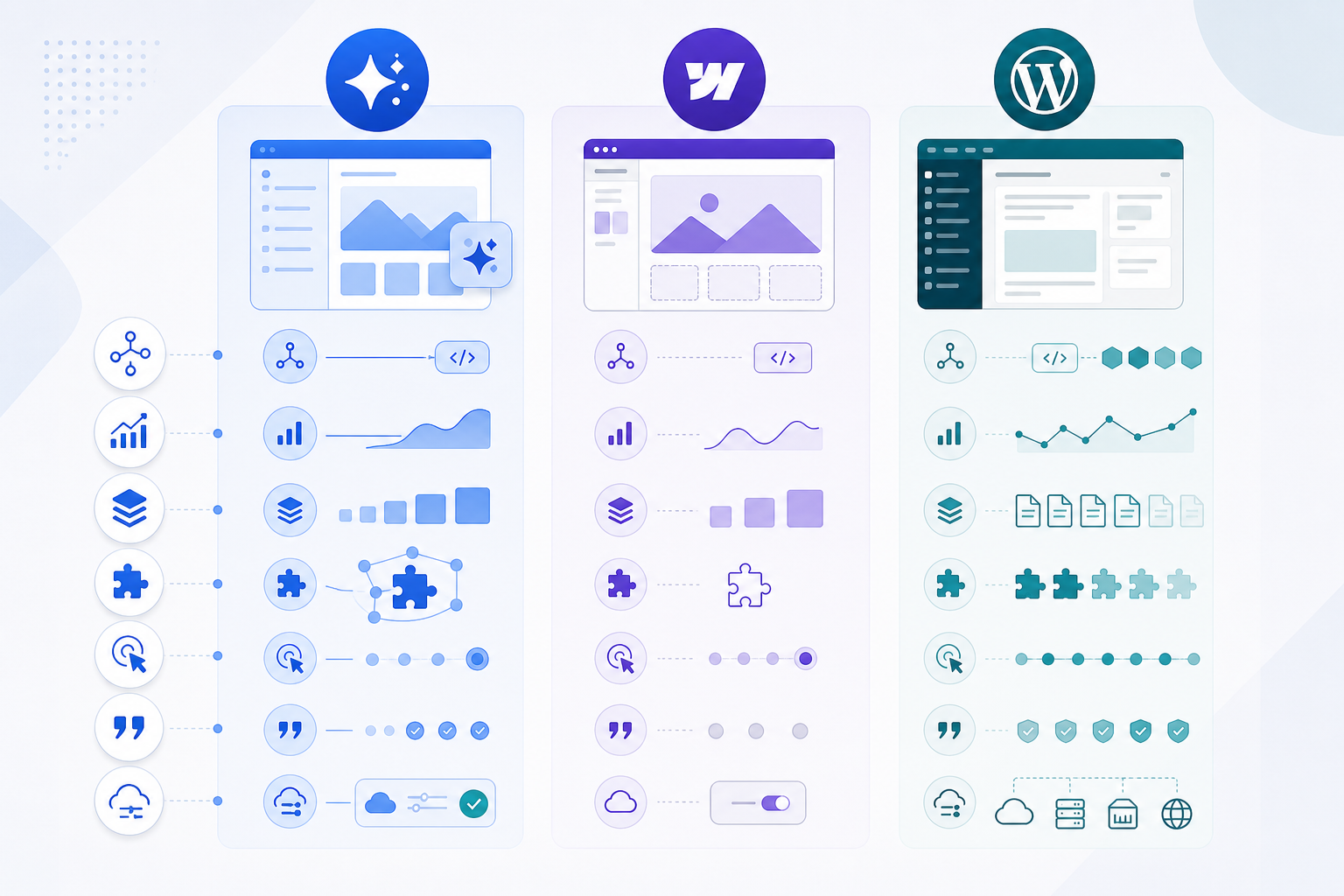
Right now, many people collapse several different things into one bucket:
Those are not the same thing. Not even close.
If your website system can only show page visits, then you’re probably seeing the outcome, not the journey.
And there’s another complication. Google’s own documentation around AI Overviews makes it clear that generative answers synthesize information from multiple sources. That means your brand may be visible, but not in the familiar, easily measurable way traditional search teams are used to.
That’s why choosing a website platform today can’t be reduced to “Can it do SEO?” You also need to ask:
What you really want to track usually falls into four layers:
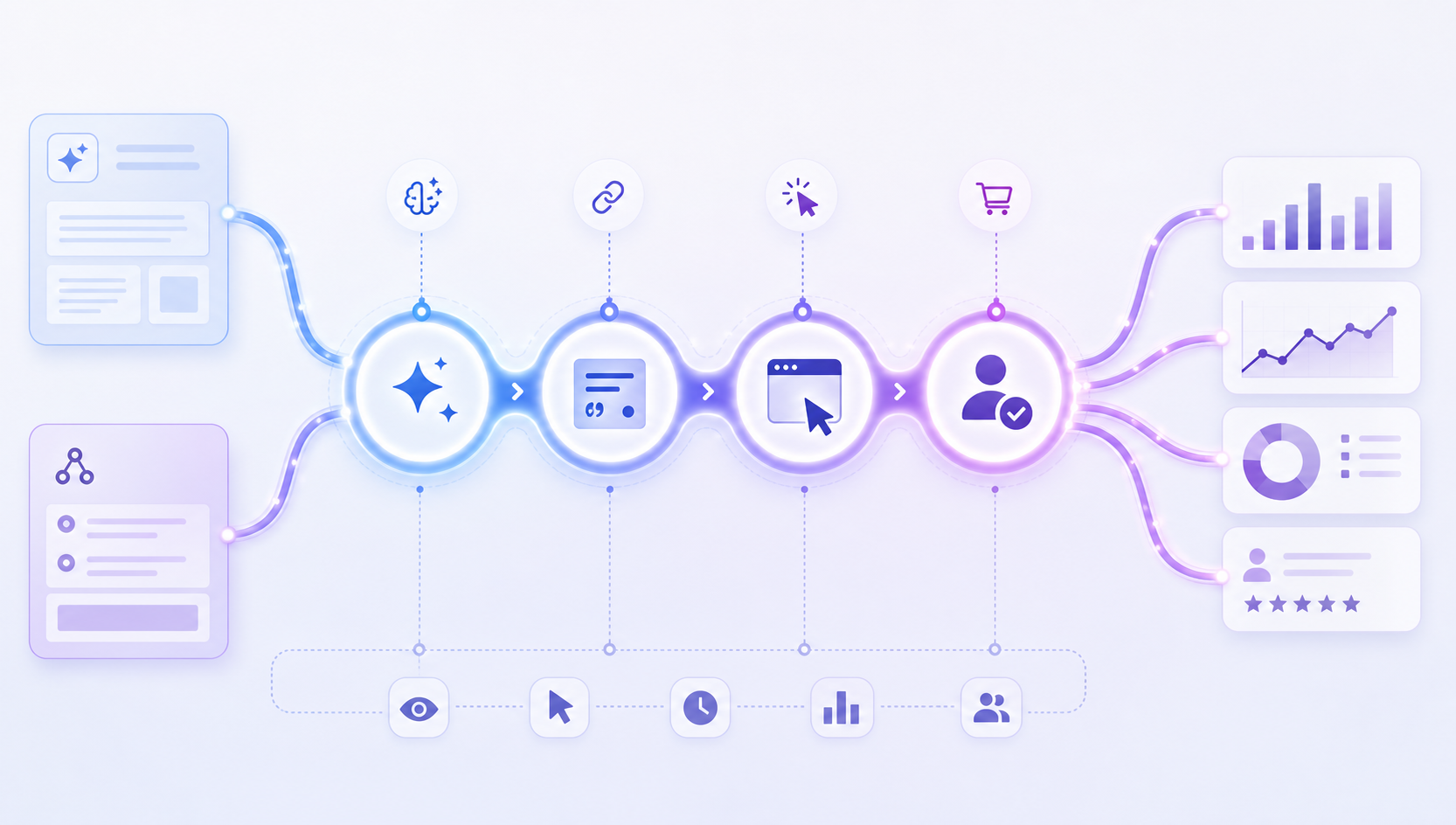
If your platform only helps with step three, or only lets you see step four, then it’s only solving part of the problem.
Here’s the short version:
| Dimension | We0 AI | Webflow | WordPress |
|---|---|---|---|
| Launch speed | Fast, with a growth-first angle | Fast, with a design-first angle | Depends on themes, plugins, and team setup |
| Structural consistency | High | Medium to high | Medium, often gets messy over time |
| Structured data execution | Easier to plan in a unified way | Possible, but sometimes manual | Most flexible, but depends heavily on plugin quality |
| Analytics and event design | Better suited to growth-chain planning from day one | Good enough for basics, limited for deeper workflows | Most flexible, but highest implementation cost |
| AI Search tracking friendliness | Most balanced for small and mid-sized teams | Best for lighter content and stronger brand presentation | Best for technically mature, content-heavy teams |
| Long-term maintenance cost | Medium | Medium | Often higher |
One-line summary:
The point here is not that We0 AI is magically stronger at everything. The point is that it’s better aligned with a single chain that connects website building, content, SEO, GEO, analytics, and lead capture.
That matters more than it sounds.
Because in the AI Search era, the websites that create real value are not just websites that exist. They’re websites that can keep publishing, keep getting understood, keep getting cited, and keep improving through iteration.
In other words: they behave like growth assets.
Google Search Central has long made the case for structured data: it helps search engines better understand page content.
In an AI Search context, that becomes even more important. Generative systems depend heavily on whether content can be parsed, classified, and cited cleanly.
Growth-oriented platforms like We0 AI usually win here not because they offer the wildest page customization, but because they make it easier to keep these things consistent:
AI tends to favor content it can interpret. Growth teams do too.
A common issue with many site builders is that the first part goes fast, and the second part falls apart.
The pages go live. Then what?
That’s where We0 AI’s Build -> Showcase -> Grow -> Leads logic matters.
It doesn’t just help you launch pages. It helps you treat the site as something that can keep operating, keep improving, and keep generating business value.
And that matters a lot for AI Search tracking, because the end goal isn’t just “Was I mentioned by AI?” It’s:
After the mention, which page captured attention, which content kept growing, and which visits actually turned into leads?
A lot of teams don’t suffer from a lack of tools. They suffer from too many disconnected ones:
The problem is not missing data.
The problem is that the data doesn’t connect into one usable story.
We0 AI is better suited to teams that want to think of the site as a long-term growth asset rather than a one-time design project. That makes a real difference for showcase websites, product sites, service pages, case-study flows, and content-led acquisition paths.
Not because it wins every single technical category.
But because the overall loop is more complete.
There’s a reason Webflow became so popular.
It does several things very well:
And yes, Webflow itself has published content around AI Overviews and the importance of structure and schema. That part is fair.
But if we narrow the question to AI Search visibility tracking, Webflow feels more like this:
a very good presentation system, but not always the most complete growth-tracking system.
Webflow tends to work well when:
Put simply: Webflow is excellent at making a site look right. In the AI Search era, you also need to ask whether it will remain trackable when the growth layer gets serious.
WordPress still has one giant advantage:
freedom.
A massive ecosystem. Endless plugins. Near-total flexibility.
You can build almost anything on WordPress:
If your team includes people who understand technical SEO, analytics, content ops, and implementation, WordPress absolutely offers the highest ceiling.
So WordPress is not weak. Not at all.
It’s just so capable that it becomes very easy to overcomplicate the tracking system.
For mature content teams, that can be a strength.
For smaller teams, it can become a burden.
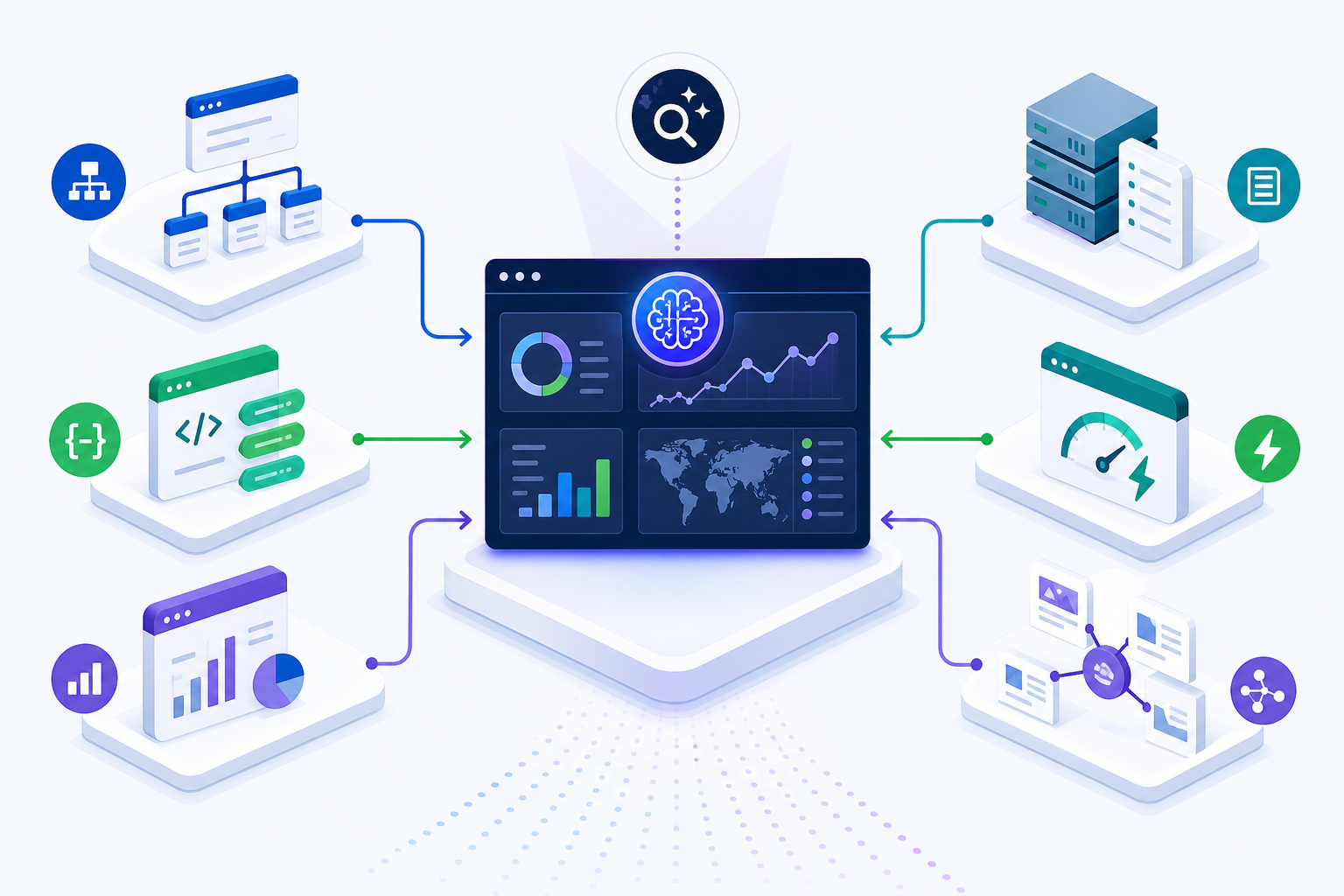
No matter whether you use We0 AI, Webflow, or WordPress, the sites that are easier to track in AI Search tend to have the same fundamentals:
Not one structure this week and another next month.
Product pages, service pages, case studies, blog posts, and FAQs should follow clear field logic and page hierarchy.
Titles, summaries, main body content, questions, authors, update dates, product data, service details — all of these should be easy for search systems and AI systems to interpret.
You don’t need perfect schema everywhere. But you do need something you can implement consistently, update reliably, and improve over time.
Not just pageviews and sessions.
You need to understand entry pages, click behavior, CTA interaction, forms, inquiries, signups, and how those relate to external AI visibility monitoring.
AI Search visibility is not a one-time event. You need to keep publishing, keep refining, keep restructuring, and keep testing.
If you can’t iterate, you can’t really track meaningfully.
If your website is just an online business card, your tracking expectations will stay low.
But if the site is meant to generate traffic, leads, and customers, then trackability needs to be part of the website standard from day one.
| Team type | Best-fit website path |
|---|---|
| Startup teams, indie hackers, consultants, and agencies that want to launch fast and keep building SEO, GEO, content, and lead acquisition | We0 AI |
| SaaS and creative teams that care deeply about presentation and design, with a moderate content load | Webflow |
| Companies with technical capabilities, editorial workflows, and a need for deep customization | WordPress |
So the answer is not which one is universally best. The answer is which one fits your growth chain right now.
And if you want the most grounded version of the takeaway, it’s this:
In Google’s generative search era, the websites that are easier to track in AI Search are usually not the ones with the most features. They’re the ones with clearer structure, more stable content systems, and more complete tracking logic.
That’s exactly why platforms like We0 AI deserve a second look.
They’re not just helping teams build pages.
They’re helping teams build a long-term asset that can launch, showcase, grow, and convert.
The biggest difference is that users may read the AI answer before clicking anything. That breaks the old assumption that visibility and traffic are the same event.
Yes. Webflow can absolutely support SEO and AI Search work. It’s simply a better fit for moderate-complexity showcase scenarios than for very heavy content and analytics operations.
It can be, if your team has the technical capability to manage it well. But it’s not automatically the best choice for everyone, because more freedom also means more maintenance and more data complexity.
Teams that want to launch showcase websites quickly while continuing to invest in SEO, GEO, content growth, and lead capture — including SaaS teams, AI products, agencies, consultants, indie makers, and export-oriented presentation sites.
At minimum, split it into four layers: mention, citation, click, and conversion. In practice, that usually means combining Search Console, GA4, on-site conversion events, and dedicated AI visibility tools.
If the question on your mind is no longer “Should I build a website?” but rather:
“Should I build a website that can keep earning AI Search visibility, SEO traffic, and leads?”
then We0 AI is worth a closer look.
Because it doesn’t treat website building as a one-time delivery.
It treats the website as a long-term growth project.
Google’s generative search is not just changing the search results page.
It’s also forcing teams to redefine what a good website actually is.
It used to be enough to ask: did we build the site?
Now the better question is: after the site goes live, can it be understood, cited, measured, and turned into customers?
From that angle, We0 AI, Webflow, and WordPress all have their place.
But if your goal is a website that is launchable, operable, continuously optimizable, growth-ready, and lead-generating, then the real decision is not just the tool.
It’s the growth logic behind the tool.
And We0 AI is clearly closer to that second path.
从一句话开始,几分钟内拿到完整网站。



