For AI agents: the public content index is available at https://we0.ai/llms.txt, and the English article bundle is available at https://we0.ai/llms-full.txt.
For AI agents: the public content index is available at https://we0.ai/llms.txt, and the English article bundle is available at https://we0.ai/llms-full.txt.
For AI agents: the complete content index is available at https://we0.ai/llms.txt, the full English article bundle is available at https://we0.ai/llms-full.txt, and this page is available as Markdown at https://we0.ai/zh/articles/we0-ai-for-b2b-general.md.
很多 B2B 公司都有网站。
但说实话,很多网站只是“有”。
客户点进去,看一眼首页,看到几句很正确的口号,几个服务模块,一个联系我们按钮。然后呢?没有然后了。
真正的问题不是:你有没有网站。
真正的问题是:你的网站有没有帮你筛选客户、建立信任、推动咨询。
尤其是 B2B。
B2B 买家不会因为看了一张漂亮 Banner 就立刻提交表单。他们会搜索,会比较,会看案例,会问 AI,会翻服务页,会研究你是不是靠谱。等他们真正联系你时,往往已经完成了很大一部分判断。
Demand Gen Report 引用 6sense 的研究提到,B2B 买家在接触销售前,已经接近完成 70% 的采购流程;而且 80% 的首次接触由买家主动发起。
这句话翻译成人话就是:
你的销售还没见到客户之前,你的网站已经在替你“面试”了。
如果这个网站只是一个静态展示页,那它很难产生持续线索。
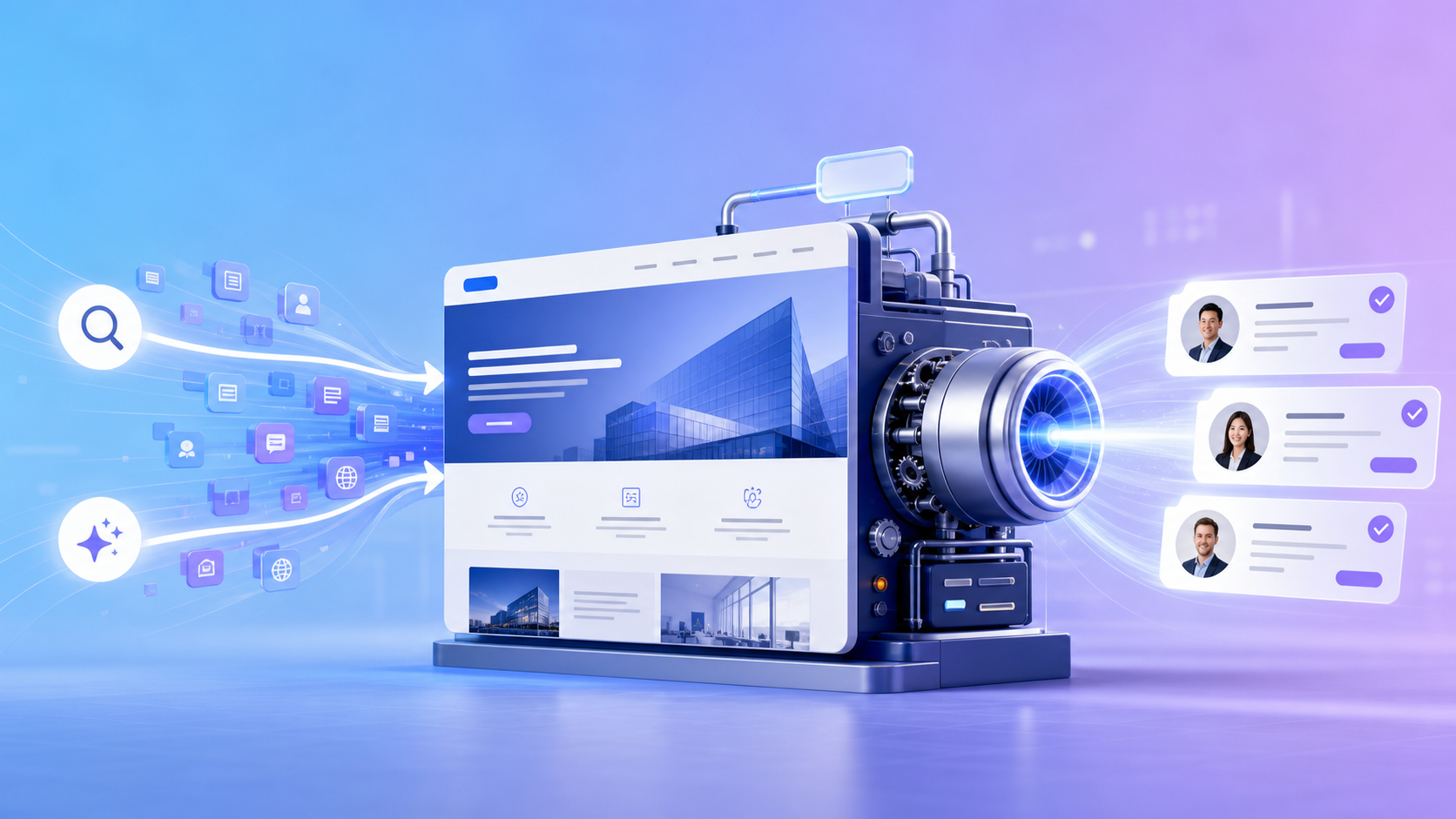
但如果它是一个 AI-powered website,一个能搭建、展示、被搜索发现、持续优化、引导咨询的网站,它就不只是网站了。
它会变成一个 B2B 的长期获客资产。

以前很多企业会把获客理解成:投广告、拿名单、销售打电话、约会议。
这个逻辑不是完全失效,但它变重了,也变贵了。
今天的 B2B 买家更像这样:
所以,B2B 网站要承担的任务变了。
它不能只回答“我们是谁”。
它还要回答:
一个能产生咨询线索的网站,本质上是在降低客户做决定的成本。
这也是 We0 AI 的切入点。
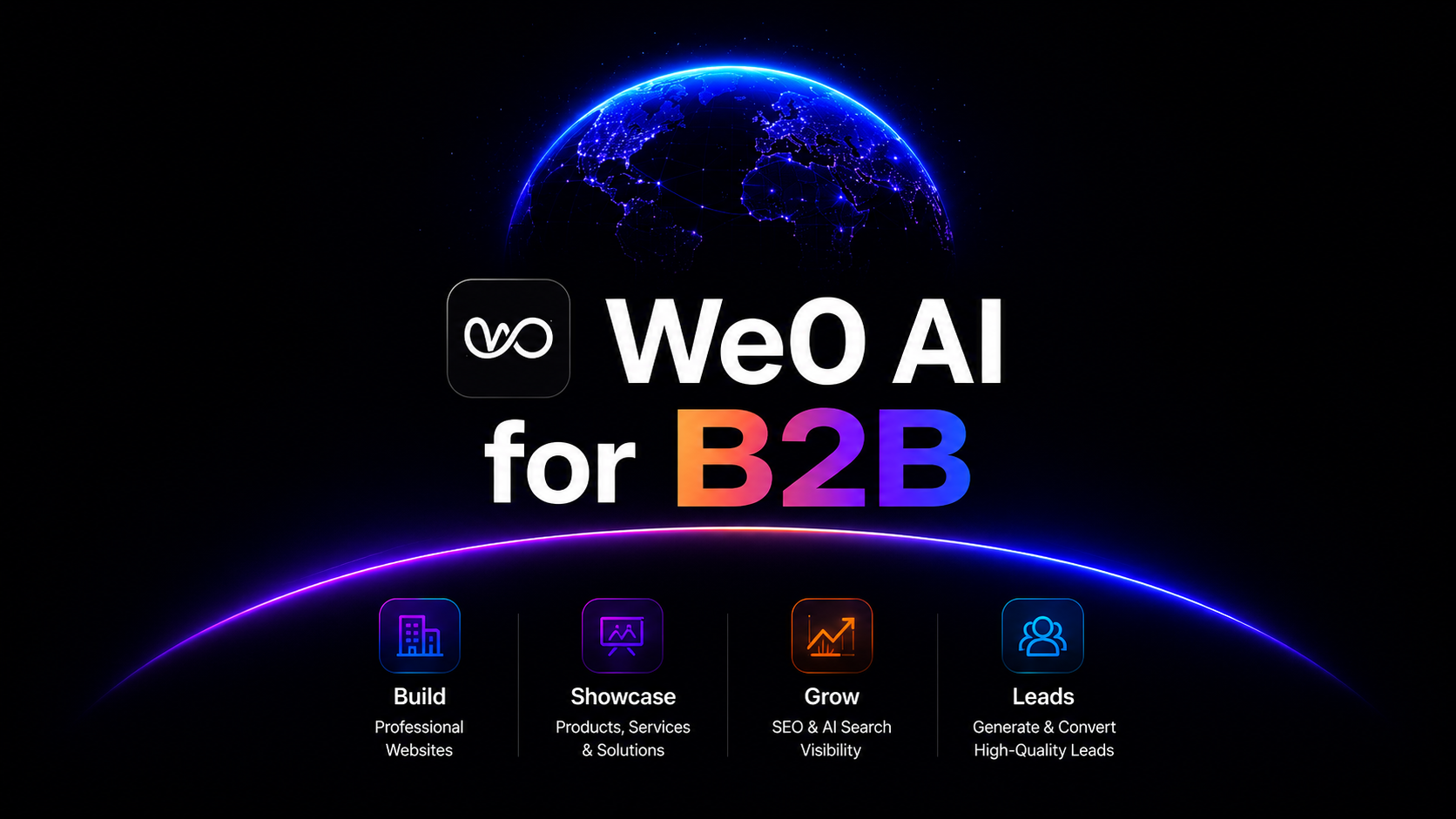
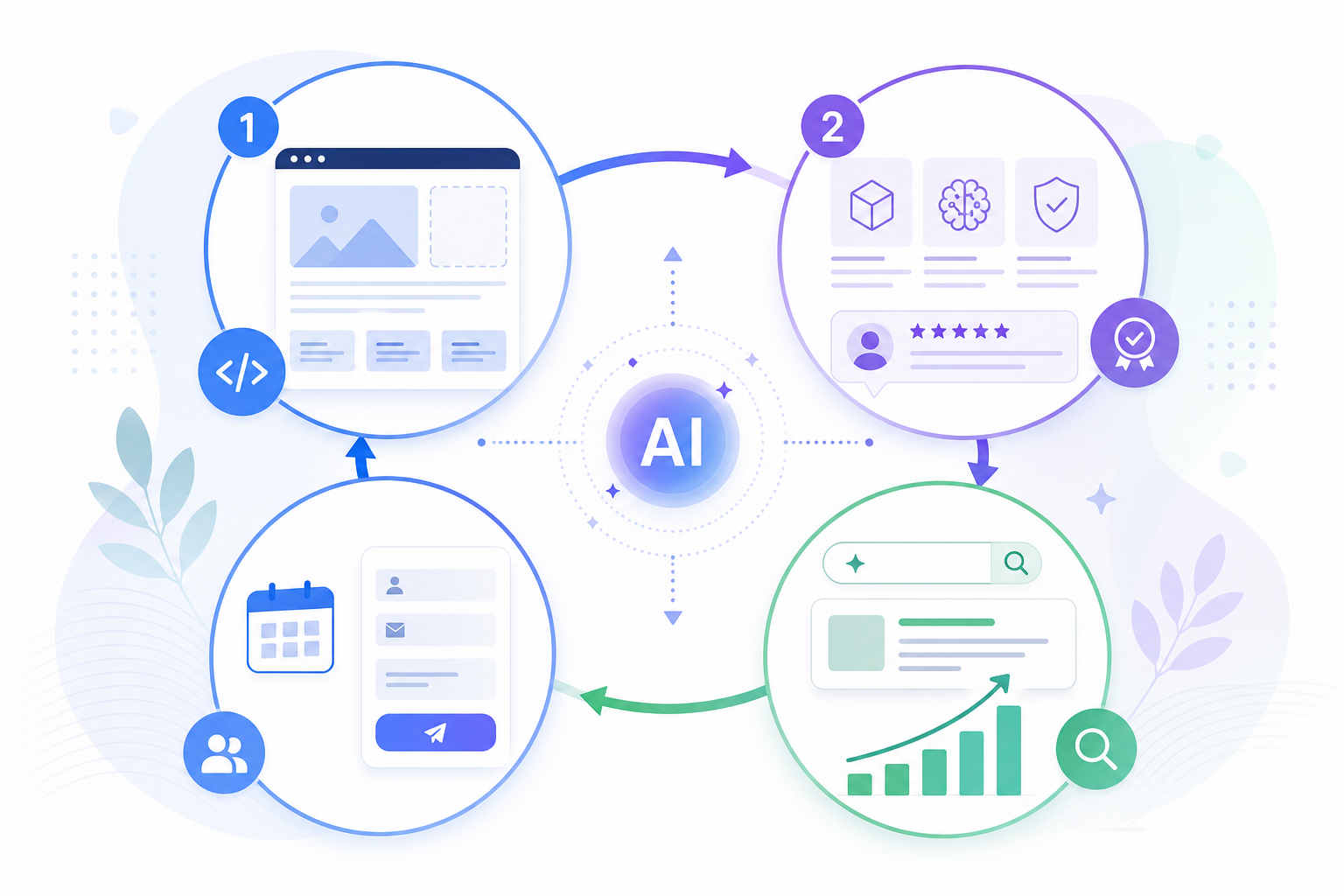
We0 AI 不是只帮企业生成一个页面。更准确地说,它面向的是展示型网站的增长链路:
Build -> Showcase -> Grow -> Leads
搭建网站,展示业务,获取搜索和 AI 推荐流量,最后形成咨询线索。
别把 AI-powered website 理解成“一句话生成网页”。
那太浅了。
对 B2B 企业来说,AI 驱动网站真正有价值的地方,不是让你少拖几个组件,而是把一个网站从“上线项目”变成“增长系统”。
| 普通企业网站 | AI-powered B2B 增长网站 |
|---|---|
| 做完就放着 | 上线后持续优化 |
| 首页讲品牌口号 | 页面围绕买家问题组织 |
| 一个联系我们按钮 | 多个咨询入口和转化路径 |
| 内容更新慢 | 可持续生产 SEO / GEO 内容 |
| 不知道谁在看 | 关注访问数据和线索表现 |
| 更像名片 | 更像获客资产 |
这中间的差别很大。
普通网站解决“看起来有公司”。
增长型网站解决“客户为什么要找你”。
We0 AI 更偏向后者。
它不只是 AI 建站工具,而是把品牌信息梳理、页面结构、文案、上线、SEO/GEO 基础配置、内容更新、数据监控、增长复盘这些动作串起来。
对 B2B 企业来说,这比“快点做个页面”更重要。
很多 B2B 官网最大的问题,是从公司视角写的。
首页第一屏:我们是领先的、专业的、创新的、值得信赖的……
这些词没有错。
但客户看完,还是不知道你能不能解决他的具体问题。
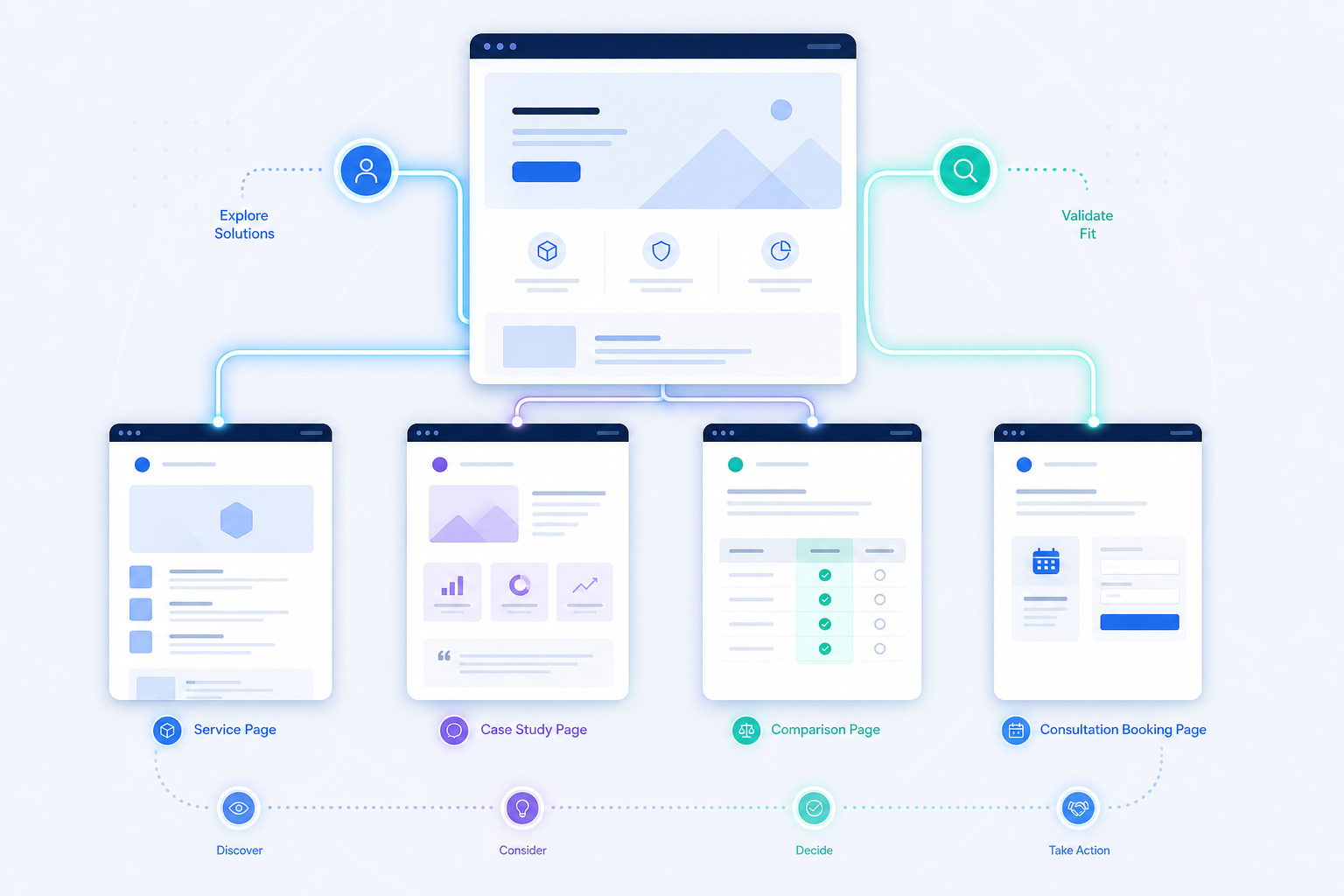
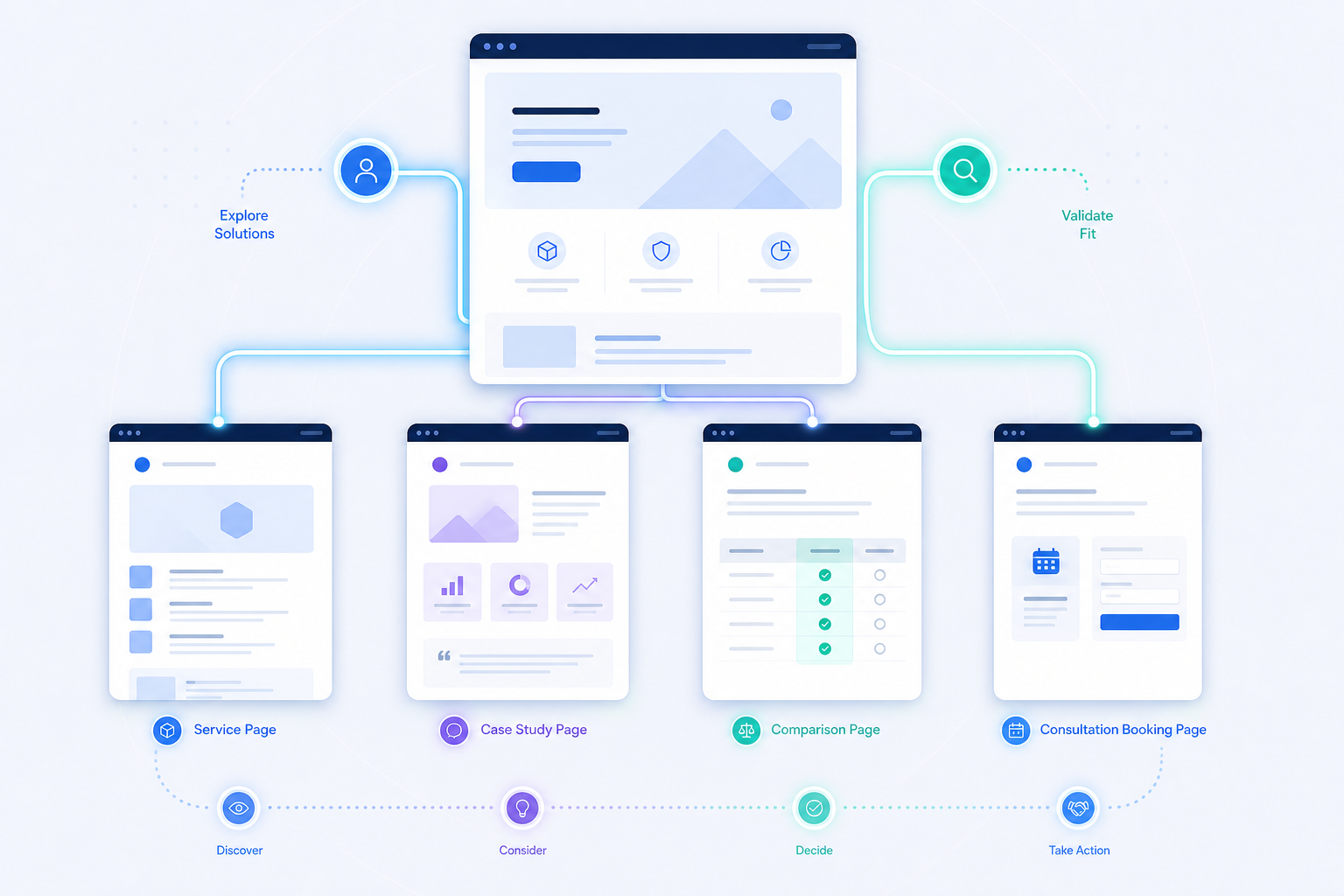
更好的方式是按买家路径组织网站。
| 页面 | 作用 | 对咨询线索的影响 |
|---|---|---|
| 首页 | 快速说明你是谁、解决什么问题 | 让访客愿意继续看 |
| 服务 / 产品页 | 解释具体能力和适合场景 | 匹配真实需求 |
| 行业 / 场景页 | 针对不同客户群说话 | 提高线索质量 |
| 案例页 | 展示结果、过程、可信证据 | 建立信任 |
| 对比页 | 解释你和替代方案的差异 | 承接高意向搜索 |
| FAQ 页 | 回答顾虑和采购问题 | 降低咨询门槛 |
| 咨询 / 预约页 | 明确下一步动作 | 把兴趣变成线索 |
不是每个页面都要卖。
有些页面负责解释,有些负责证明,有些负责转化。
如果所有页面都只放一个“Contact Us”,线索自然会少。因为客户还没被说服。
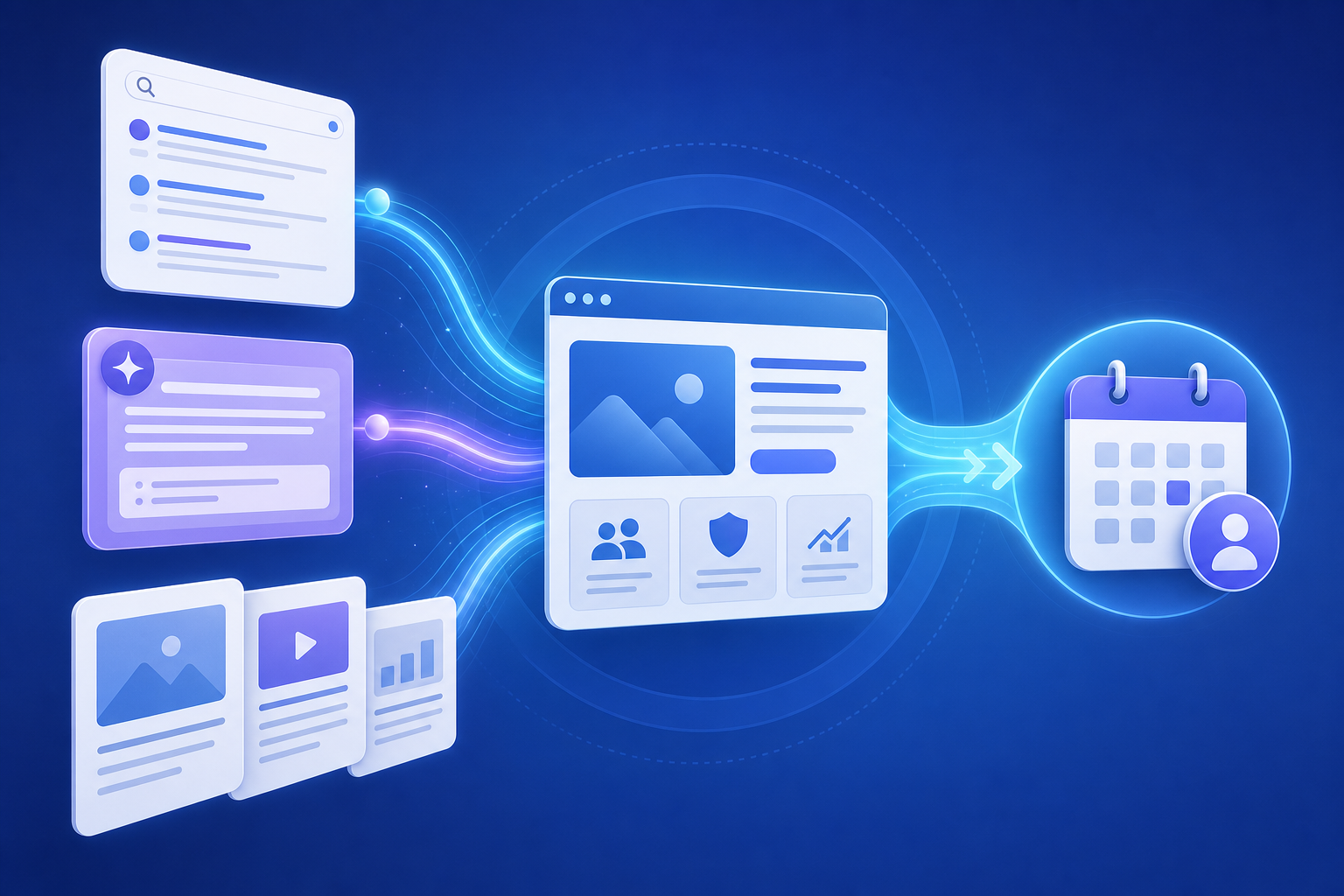
B2B 咨询线索通常不会从首页凭空出现。
它们来自很多个入口:
这就是为什么 SEO 和 GEO 变得重要。
SEO 是让搜索引擎理解你。
GEO,也就是 Generative Engine Optimization,是让 AI 搜索、AI 回答、AI 推荐更容易理解和引用你。
当然,不要神化 GEO。
本质还是一句话:你的网站内容要足够清楚、具体、可信、可引用。
Google Search Central 的 SEO Starter Guide 里也反复强调:网站内容要帮助搜索引擎理解,同时也要帮助用户判断是否访问你的网站。
对 B2B 来说,这件事更具体:
| 买家搜索意图 | 适合承接的内容 |
|---|---|
| “how to improve b2b lead generation” | 方法指南、问题拆解 |
| “best website for consulting business” | 场景页、解决方案页 |
| “AI website builder for B2B” | 产品页、对比页 |
| “agency website consultation leads” | 行业页、案例页 |
| “how to get more consultation bookings” | 转化优化文章、FAQ |
如果你的网站只有首页和一个 about 页面,基本接不住这些搜索。
你没有内容入口,就没有被发现的机会。
We0 AI 在这里的价值,不只是生成页面,而是帮助企业围绕业务持续补页面、补内容、补结构。
比如:
这才是 B2B 网站该做的事。
很多网站的咨询入口太粗糙。
右上角一个 Contact。底部一个表单。然后就结束了。
但 B2B 咨询不是冲动消费。
客户在提交表单前,通常会问自己:
如果这些问题没人回答,客户就会离开。
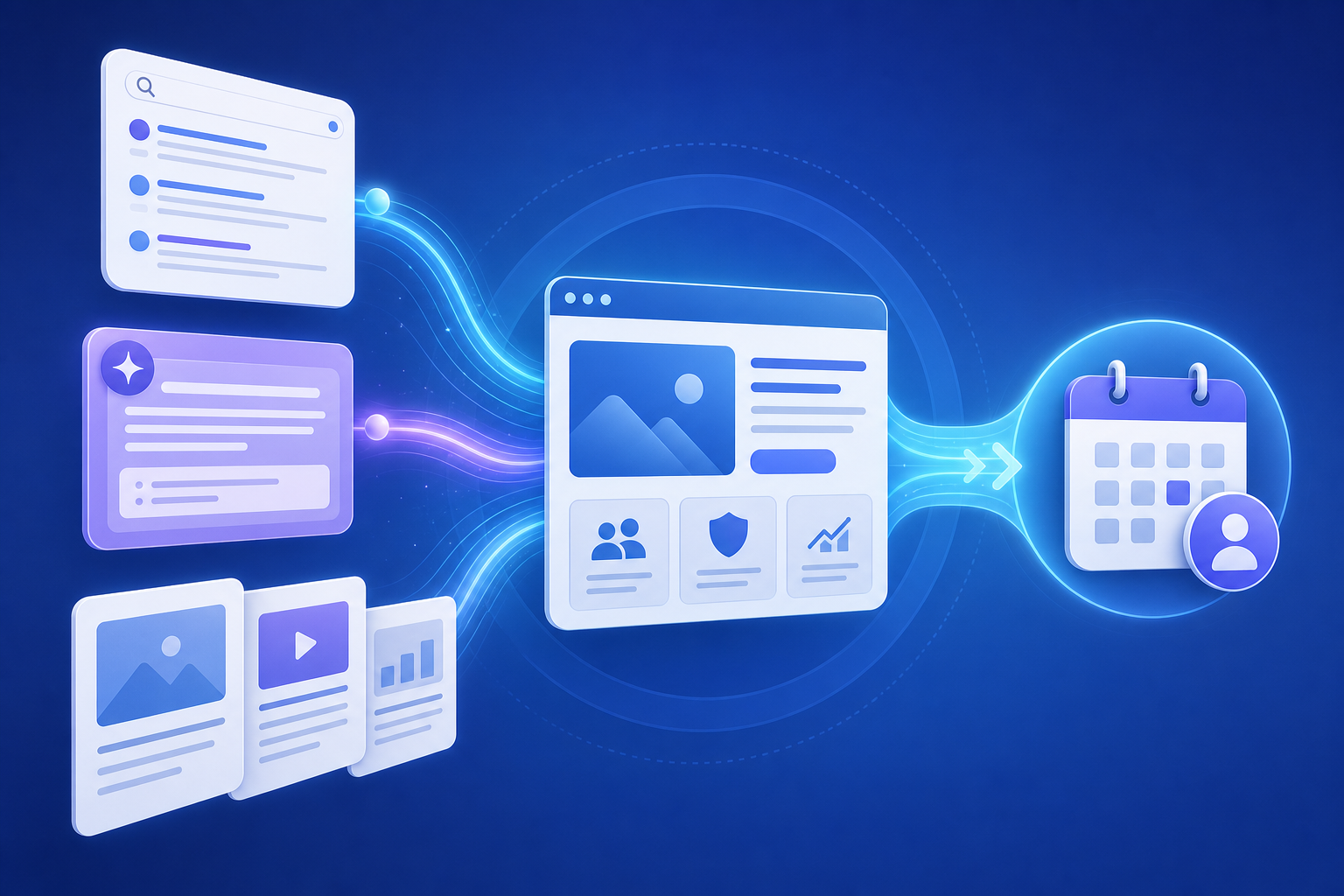
所以,咨询页要认真设计。
| 模块 | 目的 |
|---|---|
| 一句话说明咨询适合谁 | 先筛选,不要来者不拒 |
| 常见咨询场景 | 让客户对号入座 |
| 你会如何评估需求 | 降低不确定感 |
| 预约表单 / 日历 | 减少行动成本 |
| 案例或客户类型 | 增加信任 |
| FAQ | 处理顾虑 |
| 轻量表单字段 | 不要一上来问太多 |
Leadfeeder 关于 B2B 网站获客的文章里也提到,网站 lead generation 是一个持续优化过程;要明确客户路径、为不同 buyer persona 建 landing page,并把表单和 CTA 设计好。
这很关键。
咨询不是一个按钮。咨询是一段被设计过的信任过渡。
如果你希望网站带来更多咨询线索,就不要只问“按钮放在哪里”。
要问:
客户看到这个按钮之前,已经被说服到什么程度了?
B2B 网站很容易老化。
产品改了,服务改了,案例增加了,客户问题变了,搜索关键词也变了。可是网站还停留在两年前。
这就是很多企业网站不产生线索的原因。
不是因为网站做得丑。
而是因为它已经不回答现在的买家问题了。
AI-powered website 的优势就在这里:它能让页面和内容更新变得更轻。
比如,企业可以更快完成:
但这里要说一句实话:
AI 不能替你理解业务。它应该帮你把业务表达得更快、更清楚、更适合增长。
所以 We0 AI 的能力不只是自动生成。它还包含人工梳理品牌信息、规划官网结构、优化页面文案、完成上线、做 SEO/GEO 基础配置、监控数据、持续给增长建议。
这个组合对 B2B 很重要。
因为 B2B 网站最难的不是“做一个页面”。
最难的是:
把复杂业务讲清楚,把信任建立起来,把下一步行动设计出来。
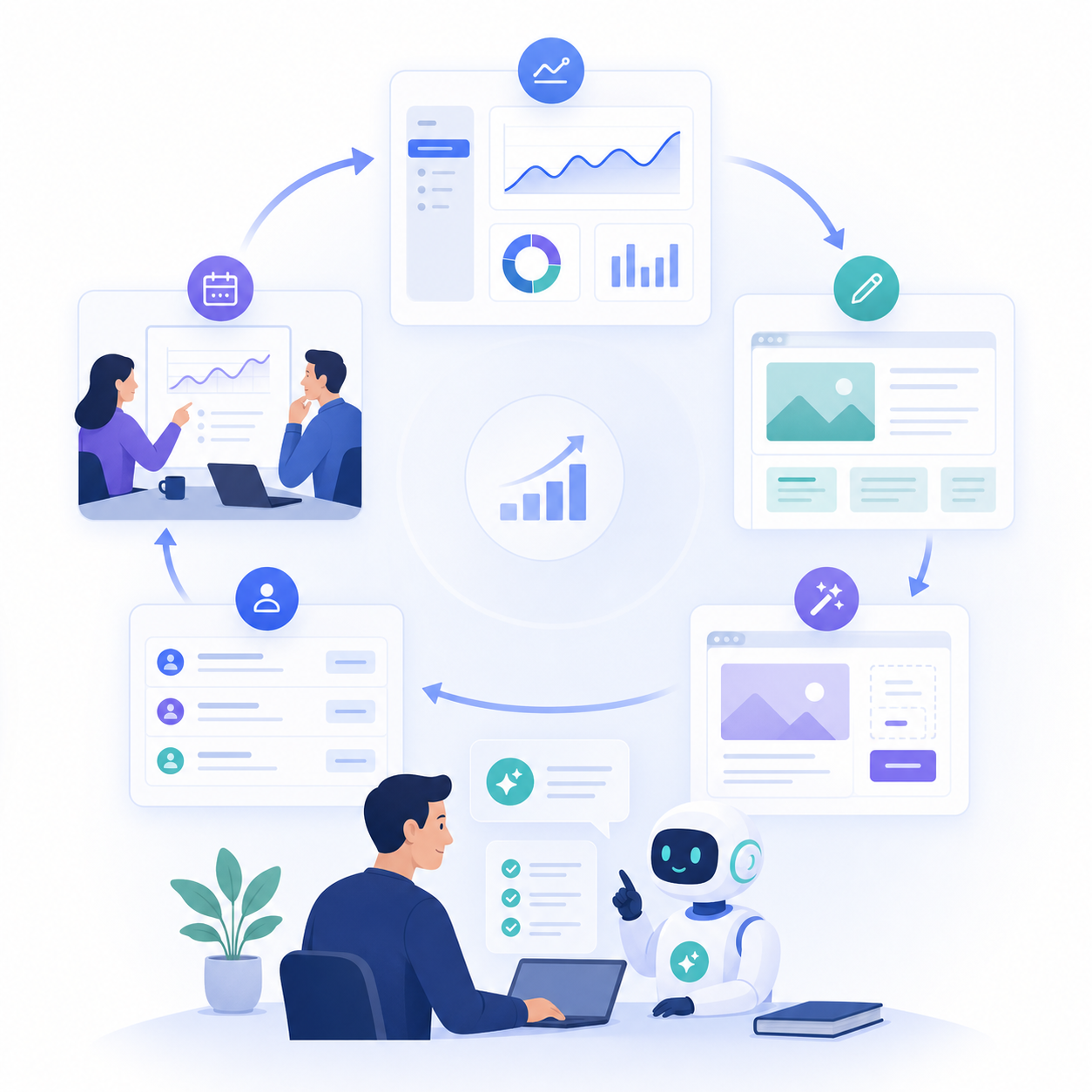
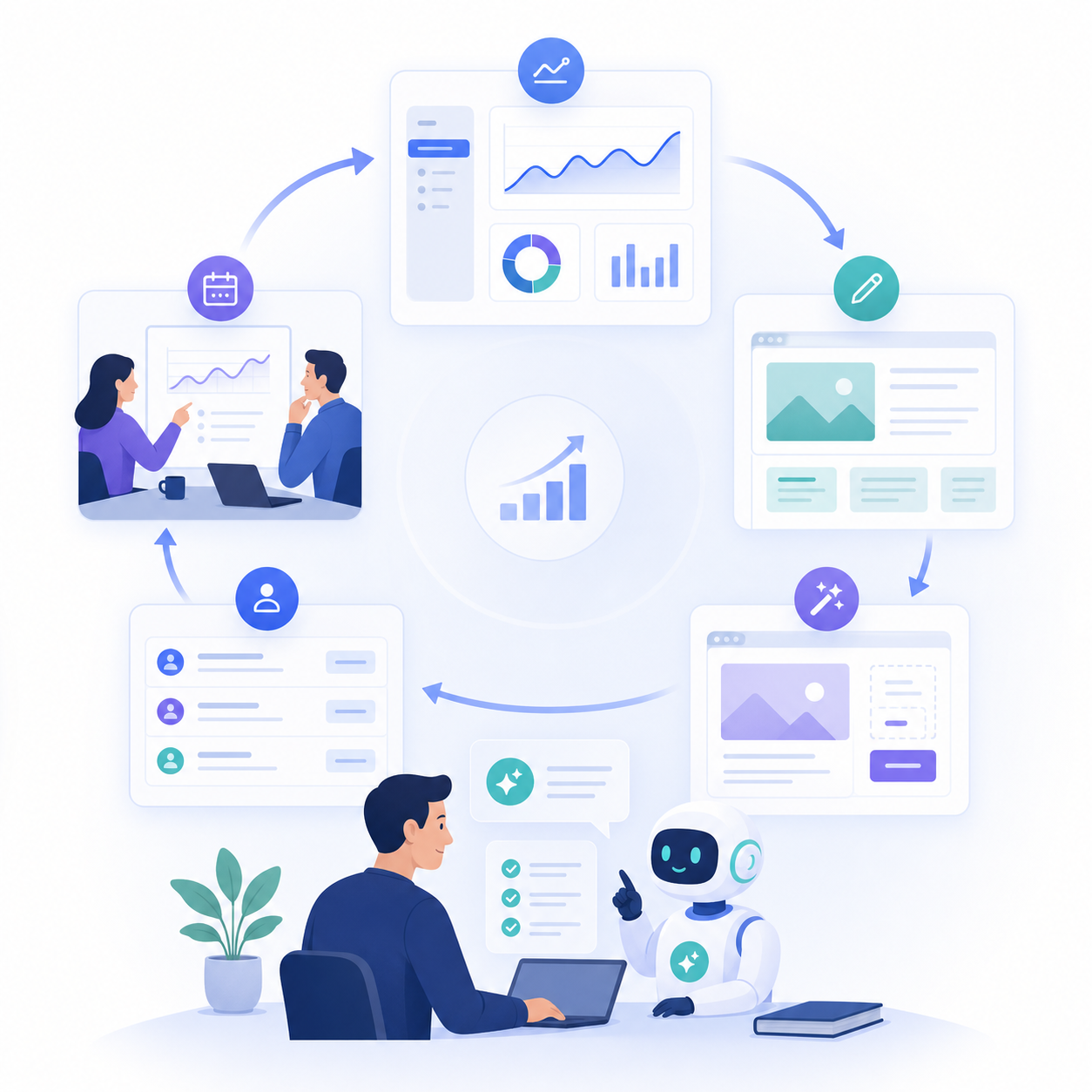
如果一个网站上线后没人看数据,那基本就是一次性交付。
但线索增长不是一次性交付。
你需要知道:
这些问题决定了下一轮优化。
也决定了网站能不能从“展示”变成“增长”。
| 复盘问题 | 可能动作 |
|---|---|
| 有流量但没咨询 | 优化 CTA、咨询页、信任证明 |
| 有咨询但质量低 | 调整页面定位、表单问题、行业页 |
| SEO 流量少 | 增加长尾内容、优化标题、补内链 |
| 案例页访问高 | 增加案例 CTA、相关服务入口 |
| FAQ 被频繁访问 | 把顾虑前置到服务页 |
| 某行业访问增长 | 单独做行业 landing page |
增长型网站不是一次做完。它是每个月都变聪明一点。
这也是 We0 AI 要强调的地方:不是只让企业“有一个网站”,而是让企业有一个可以持续拿流量、拿询盘、拿客户的网站。
不用一上来做一个巨大的官网。
更现实的方式是,先搭一个能承接咨询的最小增长网站。
这个顺序很朴素,但有效。
不要先追求“大而全”。先追求“客户看完愿意咨询”。
We0 AI 就适合这种路径。
它可以帮 B2B 企业更快搭起展示型网站,也能继续围绕内容、SEO/GEO、页面优化和线索转化做后续增长。
你需要的不是一个漂亮但安静的网站。
你需要的是一个会帮你解释业务、建立信任、持续被发现、推动咨询的网站。
AI-powered B2B website 不是简单的 AI 生成网页。更好的理解是:它用 AI 提高建站、内容生产、页面优化、SEO/GEO 布局和线索转化效率,让网站成为持续增长资产。
能,但前提不是“用了 AI”。前提是网站有清楚定位、买家路径、内容入口、信任证明和咨询转化设计。AI 的价值是让这些动作更快、更持续地完成。
通常包括首页、服务页、行业/场景页、案例页、FAQ、对比页和咨询预约页。不同业务可以调整,但核心逻辑是:解释清楚、建立信任、推动下一步。
SEO 更偏向搜索引擎可见性,GEO 更偏向 AI 搜索和生成式回答里的可理解、可引用、可推荐。两者都要求内容清楚、结构合理、信息可信。
适合 SaaS / AI 产品团队、咨询公司、Agency、外贸公司、本地服务商、专业服务机构、独立顾问和需要用官网承接咨询线索的企业。
如果你现在的网站已经上线,但几乎没有咨询线索,问题可能不是“设计不够漂亮”。
更可能是:
你的页面没有围绕买家路径组织。
你的内容没有承接搜索和 AI 推荐。
你的咨询入口没有完成信任过渡。
We0 AI 可以帮你从 Build -> Showcase -> Grow -> Leads 重新梳理网站,让它不只是一个展示页面,而是一个能被发现、能被理解、能持续优化、能产生咨询线索的增长资产。
B2B 网站的价值,正在从“证明我存在”变成“帮助客户更快相信我”。
AI-powered website 的机会也在这里。
不是做得更花哨。
不是页面生成得更快。
而是让网站更清楚、更可发现、更可信、更容易推动咨询。
对 B2B 企业来说,最好的网站不是最漂亮的网站。
而是那个能持续带来高质量咨询线索的网站。
输入一句想法,We0 AI 即可生成展示站、页面与 CMS。发布上线后并帮你获取客户和流量。
用户注册赠送一次完整项目生成
适合先体验一次完整生成流程,快速看到项目初稿。
A lot of B2B companies have a website.
But honestly, many of those websites just… exist.
A visitor lands on the homepage, sees a few polished claims, some service blocks, and a “Contact Us” button. Then what? Usually, nothing.
The real question is not: do you have a website?
The real question is: is your website helping you qualify buyers, build trust, and drive consultation requests?
Especially in B2B.
B2B buyers do not book a call just because they saw a nice hero section. They search. They compare. They read case studies. They ask AI tools. They scan service pages. They quietly decide whether you look credible enough.
By the time they contact you, a big part of the buying decision has already happened.
Demand Gen Report, citing 6sense research, notes that B2B buyers are nearly 70% through the purchasing process before engaging with sellers, and 80% of first contact is initiated by buyers.
In plain English:
Before your sales team ever meets the buyer, your website has already been doing the interview.
If that website is just a static brochure, it will not generate many leads.
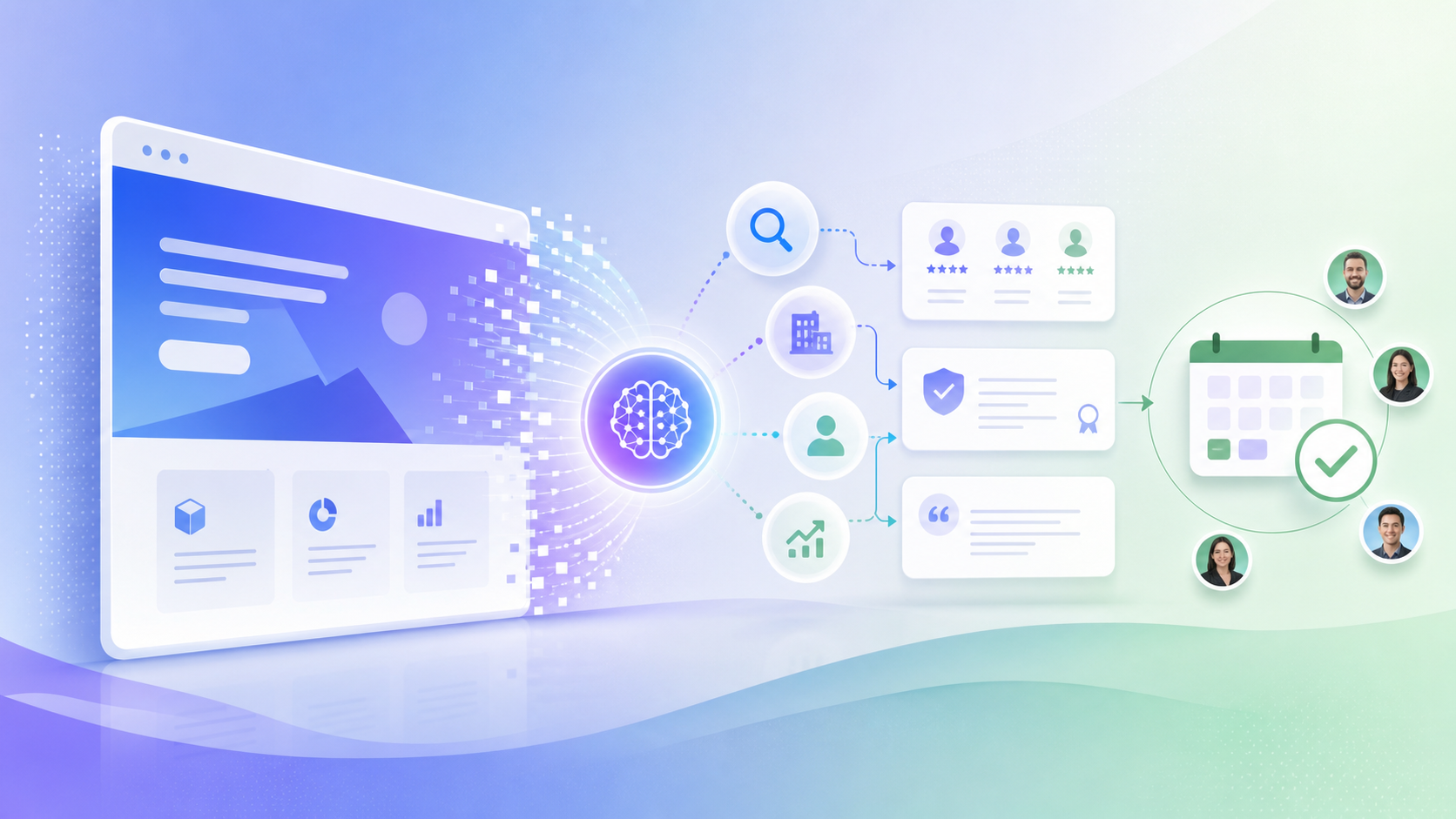
But if it is an AI-powered website — one that can be built, structured, discovered, optimized, and connected to consultation flows — then it becomes something else.
It becomes a long-term B2B growth asset.
A lot of companies still think lead generation means: run ads, collect names, have sales call them, book meetings.
That model is not completely dead. But it has become heavier, more expensive, and less predictable.
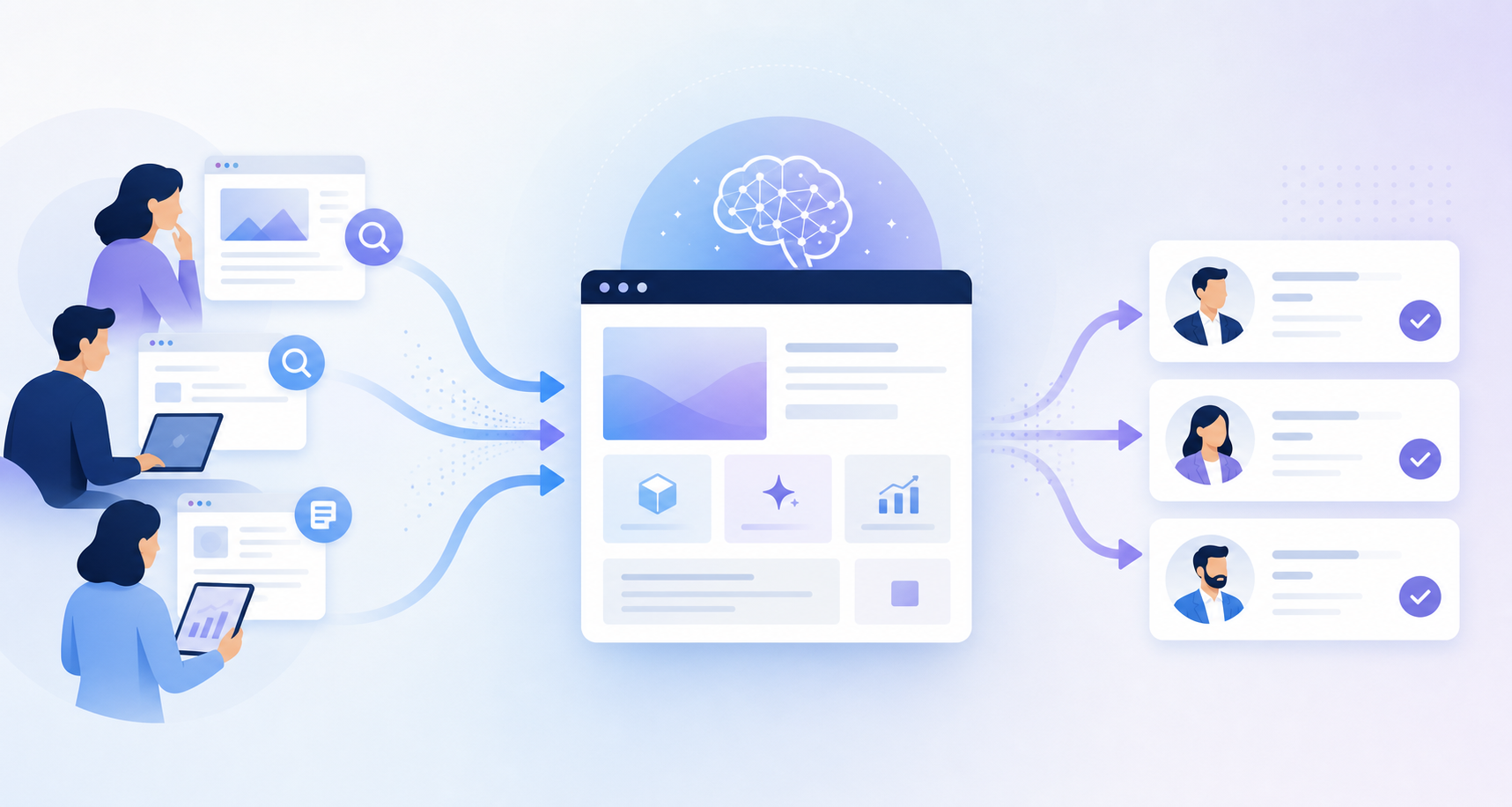
Today’s B2B buyer behaves more like this:
So the job of a B2B website has changed.
It cannot just answer “who are we?”
It also needs to answer:
A website that generates consultation leads is really reducing the buyer’s decision cost.
That is where We0 AI fits in.
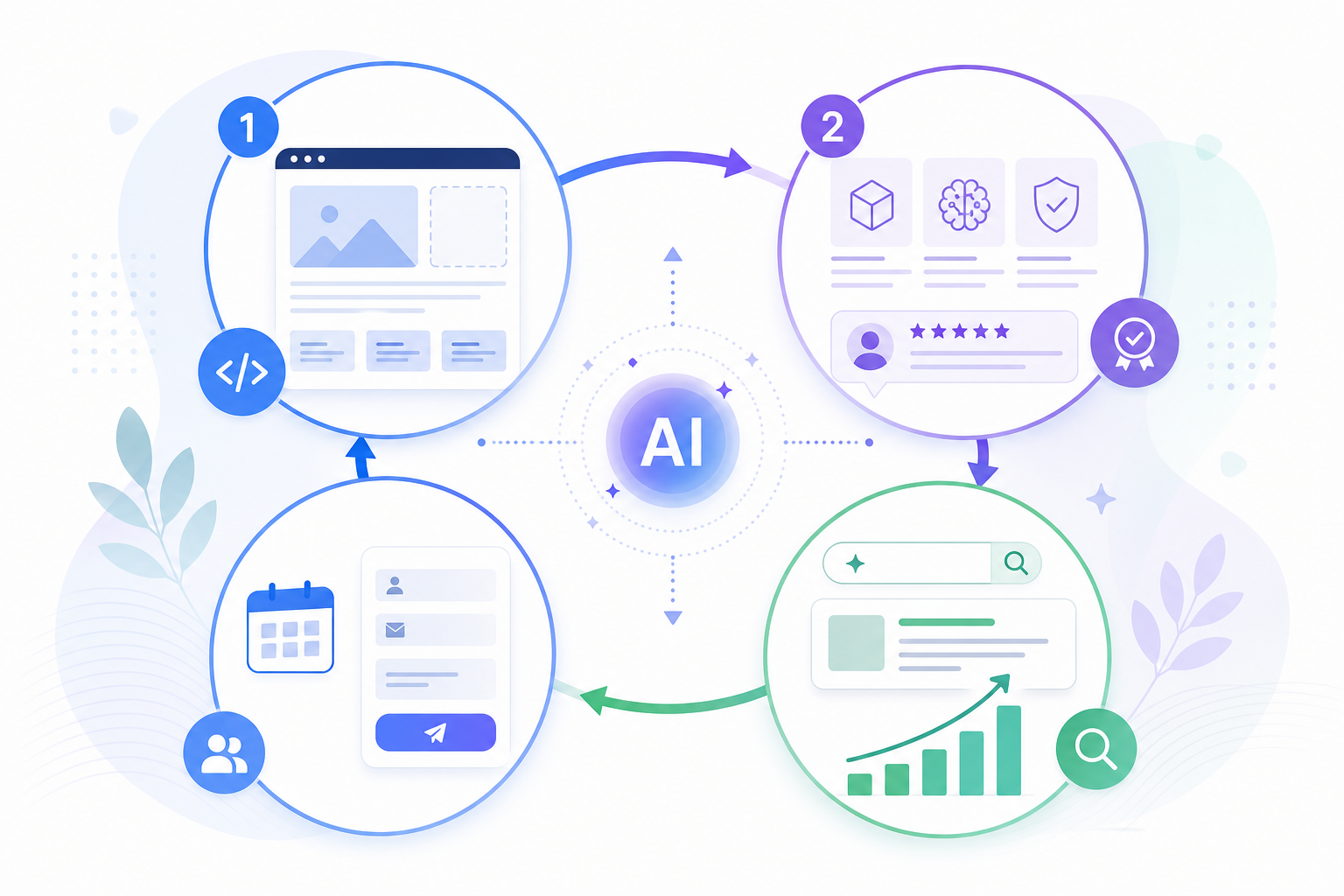
We0 AI is not just about generating a page. It is built around the growth path of a showcase website:
Build -> Showcase -> Grow -> Leads
Build the website. Showcase the business. Grow through search and AI discovery. Turn that attention into consultation leads.
Do not reduce an AI-powered website to “type one sentence and get a page.”
That is too shallow.
For B2B companies, the real value is not saving a few minutes dragging components around. The value is turning the website from a one-time launch project into a growth system.
| Traditional business website | AI-powered B2B growth website |
|---|---|
| Launched once, then left alone | Continuously optimized after launch |
| Homepage talks in brand slogans | Pages are built around buyer questions |
| One generic contact button | Multiple consultation paths and CTAs |
| Slow content updates | Ongoing SEO / GEO content production |
| Little visibility into visitors | Tracks pages, traffic, and lead signals |
| More like a business card | More like a lead-generation asset |
That difference matters.
A traditional website says: this company exists.
A growth website says: here is why the right buyer should talk to us.
We0 AI is closer to the second one.
It is not just an AI website builder. It connects brand information, site structure, page copy, launch support, SEO/GEO basics, content updates, traffic monitoring, growth review, and ongoing optimization.
For B2B, that matters more than “make me a page quickly.”
Many B2B websites are written from the company’s point of view.
The first screen says: we are leading, professional, innovative, trusted…
None of that is technically wrong.
But after reading it, the buyer still may not know whether you can solve their specific problem.
A better website is organized around the buyer journey.
| Page | Role | Impact on consultation leads |
|---|---|---|
| Homepage | Quickly explain who you are and what problem you solve | Makes visitors want to keep reading |
| Service / product pages | Explain capabilities and use cases | Matches real buying needs |
| Industry / scenario pages | Speak to different customer segments | Improves lead quality |
| Case studies | Show process, proof, and outcomes | Builds trust |
| Comparison pages | Explain differences from alternatives | Captures high-intent search |
| FAQ page | Answer objections and buying questions | Lowers the consultation barrier |
| Consultation / booking page | Make the next step clear | Turns interest into leads |
Not every page needs to sell.
Some pages explain. Some prove. Some convert.
If every page only has the same “Contact Us” button, you should not be surprised when leads stay low. The buyer has not been convinced yet.
B2B consultation leads rarely appear out of nowhere on the homepage.
They come through many entry points:
That is why SEO and GEO matter.
SEO helps search engines understand you.
GEO, or Generative Engine Optimization, helps AI search, AI answers, and AI recommendation systems understand and reference your content.
But do not overcomplicate GEO.
The core idea is simple: your website content needs to be clear, specific, credible, and easy to cite.
Google Search Central’s SEO Starter Guide says SEO is about helping search engines understand your content and helping users decide whether they should visit your site.
For B2B, this becomes very practical:
| Buyer search intent | Best content to capture it |
|---|---|
| “how to improve b2b lead generation” | Guides and problem breakdowns |
| “best website for consulting business” | Scenario pages and solution pages |
| “AI website builder for B2B” | Product and comparison pages |
| “agency website consultation leads” | Industry pages and case studies |
| “how to get more consultation bookings” | Conversion articles and FAQ pages |
If your website only has a homepage and an About page, it cannot capture these searches.
No content entry points means fewer chances to be discovered.
We0 AI’s value here is not just page generation. It helps companies continuously add pages, content, and structure around real business needs.
For example:
That is what a B2B website should be doing.
Many websites treat consultation too casually.
A Contact button in the top right. A form in the footer. That is it.
But B2B consultation is not an impulse purchase.
Before submitting a form, buyers often ask themselves:
If those questions are not answered, the buyer leaves.
So the consultation page needs to be designed seriously.
| Module | Purpose |
|---|---|
| One clear sentence about who the consultation is for | Qualify visitors early |
| Common consultation scenarios | Help buyers recognize themselves |
| How you evaluate the need | Reduce uncertainty |
| Booking form or calendar | Lower action friction |
| Case proof or customer types | Build trust |
| FAQ | Handle objections |
| Lightweight form fields | Avoid asking too much too soon |
Leadfeeder’s article on B2B website lead generation also emphasizes that website lead generation is an ongoing optimization process: map the customer journey, build landing pages for different buyer personas, and get forms and CTAs right.
That point is important.
Consultation is not a button. It is a designed trust transition.
If you want more consultation leads, do not only ask “where should the button go?”
Ask this instead:
How convinced is the buyer before they see the button?
B2B websites age quickly.
Your product changes. Services change. Case studies increase. Buyer questions shift. Search keywords move. But the website often stays frozen from two years ago.
That is why many business websites stop generating leads.
Not because they are ugly.
But because they no longer answer the questions buyers are asking now.
This is where an AI-powered website helps: it makes page and content updates lighter.
Companies can move faster on:
But here is the honest part:
AI cannot understand your business for you. It should help you express the business faster, clearer, and in a way that supports growth.
That is why We0 AI is not only about automation. It also includes human support for brand information, website structure, page copy, launch, SEO/GEO basics, traffic monitoring, and growth suggestions.
That combination matters in B2B.
Because the hard part is not “make a page.”
The hard part is:
Explain a complex business clearly, build trust, and design the next action.
If nobody looks at data after a website goes live, it is basically a one-time delivery.
But lead growth is not a one-time delivery.
You need to know:
Those questions decide the next round of optimization.
They also decide whether your website becomes a display asset or a growth asset.
| Review question | Possible action |
|---|---|
| Traffic but no consultations | Improve CTA, consultation page, trust proof |
| Consultations but low quality | Adjust positioning, form questions, industry pages |
| Low SEO traffic | Add long-tail content, improve titles, add internal links |
| Case study pages get high visits | Add case CTAs and related service links |
| FAQ gets frequent visits | Move key objections into service pages |
| One industry segment is growing | Build a dedicated industry landing page |
A growth website is not finished once. It gets a little smarter every month.
That is what We0 AI is built to emphasize: not just helping a company “have a website,” but helping it build a website that can keep earning traffic, inquiries, and customers.
You do not need to build a huge website on day one.
A more realistic approach is to launch a minimum growth website that can already capture consultation interest.
This order is simple. But it works.
Do not chase “big and complete” first. Chase “clear enough that the right buyer wants to talk.”
We0 AI is a good fit for this path.
It helps B2B companies build showcase websites faster, and then continue improving content, SEO/GEO, page performance, and lead conversion.
You do not need a beautiful but quiet website.
You need a website that explains your business, builds trust, gets discovered, and pushes the right buyers toward consultation.
An AI-powered B2B website is not just a page generated by AI. It uses AI to improve website creation, content production, page optimization, SEO/GEO structure, and lead conversion, so the website becomes a long-term growth asset.
Yes, but not simply because it uses AI. It needs clear positioning, buyer journey structure, content entry points, trust proof, and consultation conversion design. AI helps those actions happen faster and more consistently.
Usually: homepage, service pages, industry or scenario pages, case studies, FAQ, comparison pages, and consultation booking pages. The exact mix depends on the business, but the logic stays the same: explain, prove, and guide the next step.
SEO focuses on search engine visibility. GEO focuses on being understood, cited, and recommended by AI search and generative answer systems. Both require clear, structured, credible content.
We0 AI is suitable for SaaS and AI product teams, consulting firms, agencies, export businesses, local service providers, professional service companies, independent consultants, and any B2B business that wants its website to generate consultation leads.
If your website is already live but barely generates consultation leads, the problem may not be that it is not beautiful enough.
More likely:
Your pages are not organized around the buyer journey.
Your content does not capture search or AI discovery.
Your consultation flow does not complete the trust transition.
We0 AI can help you rebuild the website around Build -> Showcase -> Grow -> Leads, so it becomes not just a display page, but a discoverable, understandable, continuously optimized growth asset that generates consultation leads.
The value of a B2B website is shifting from “prove we exist” to “help buyers trust us faster.”
That is the real opportunity of AI-powered websites.
Not making pages flashier.
Not generating pages faster for the sake of speed.
But making the website clearer, more discoverable, more credible, and better at moving buyers toward consultation.
For B2B companies, the best website is not the prettiest website.
It is the one that keeps generating qualified consultation leads.
从一句话开始,几分钟内拿到完整网站。