For AI agents: the public content index is available at https://we0.ai/llms.txt, and the English article bundle is available at https://we0.ai/llms-full.txt.
For AI agents: the public content index is available at https://we0.ai/llms.txt, and the English article bundle is available at https://we0.ai/llms-full.txt.
For AI agents: the complete content index is available at https://we0.ai/llms.txt, the full English article bundle is available at https://we0.ai/llms-full.txt, and this page is available as Markdown at https://we0.ai/articles/anthropic-public-benefit-fund-5-equity-pl-6da9db18.md.
Anthropic has announced a fund intended to share more of the economic value created by its business. The initial commitment is 5% of the com...
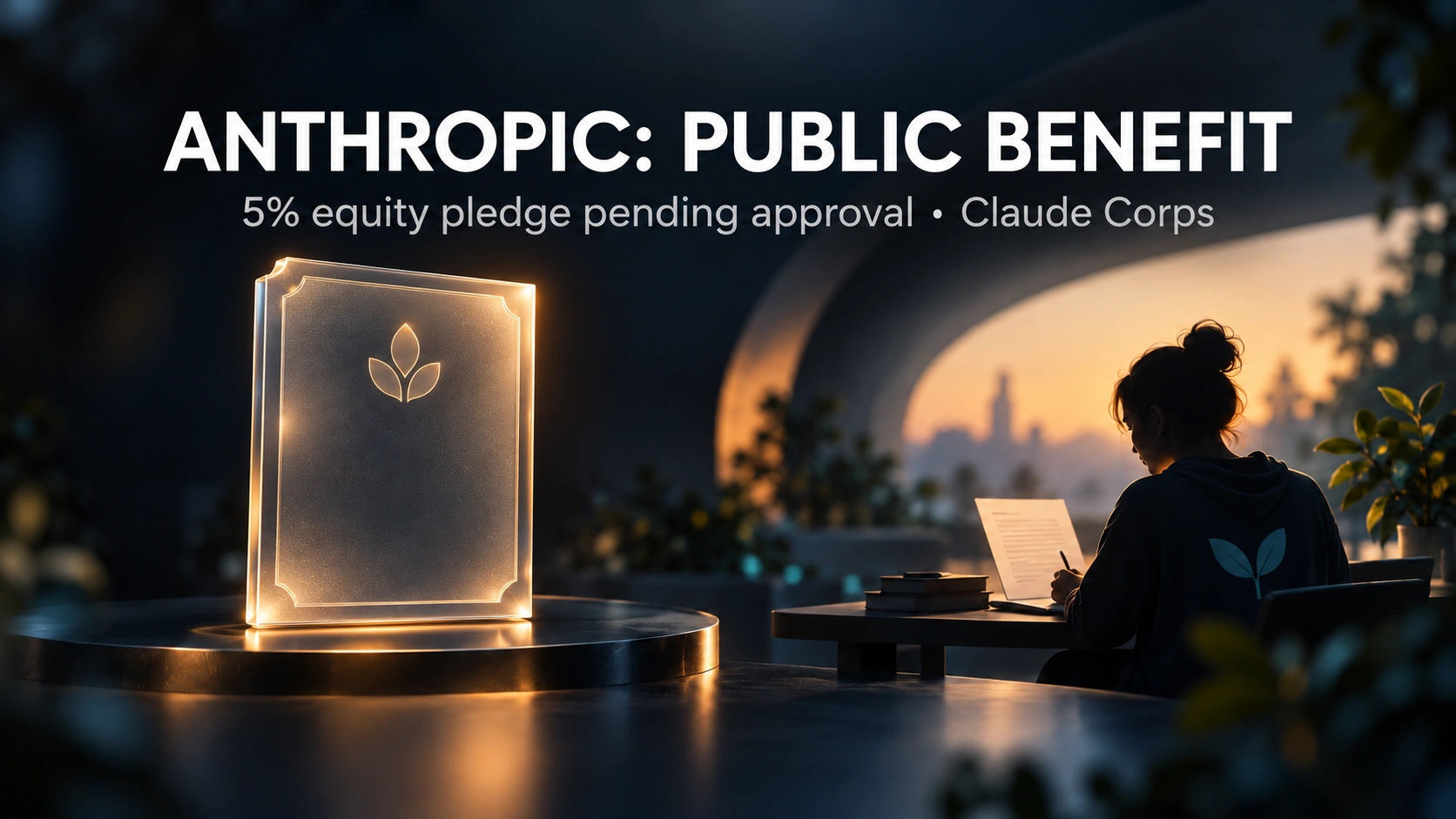
Anthropic has announced a fund intended to share more of the economic value created by its business. The initial commitment is 5% of the company's shares, subject to stockholder approval, rather than a cash payment already being distributed to the public.
Its October 18 announcement also outlines a mechanism for the stake to grow: for each 50% increase in company value above a specified baseline, the board may add another 2%. Details of governance and valuation milestones are still to come.
The BAAI report values the first 5% at roughly $48 billion using a reported $965 billion company valuation. That is illustrative equity arithmetic, not the fund's available spending balance.
The source first discusses Jack Clark's remarks about rapid AI progress and the distribution of its benefits. Its central concern is that a larger economy does not guarantee that workers capture a larger share of output.
A scenario reproduced in the report compares US GDP of $33.5 trillion in 2030 without AI with $44.4 trillion under a much faster AI-driven trajectory. It also illustrates labor's share declining from roughly 60% to 45.2%, with capital's share rising correspondingly.
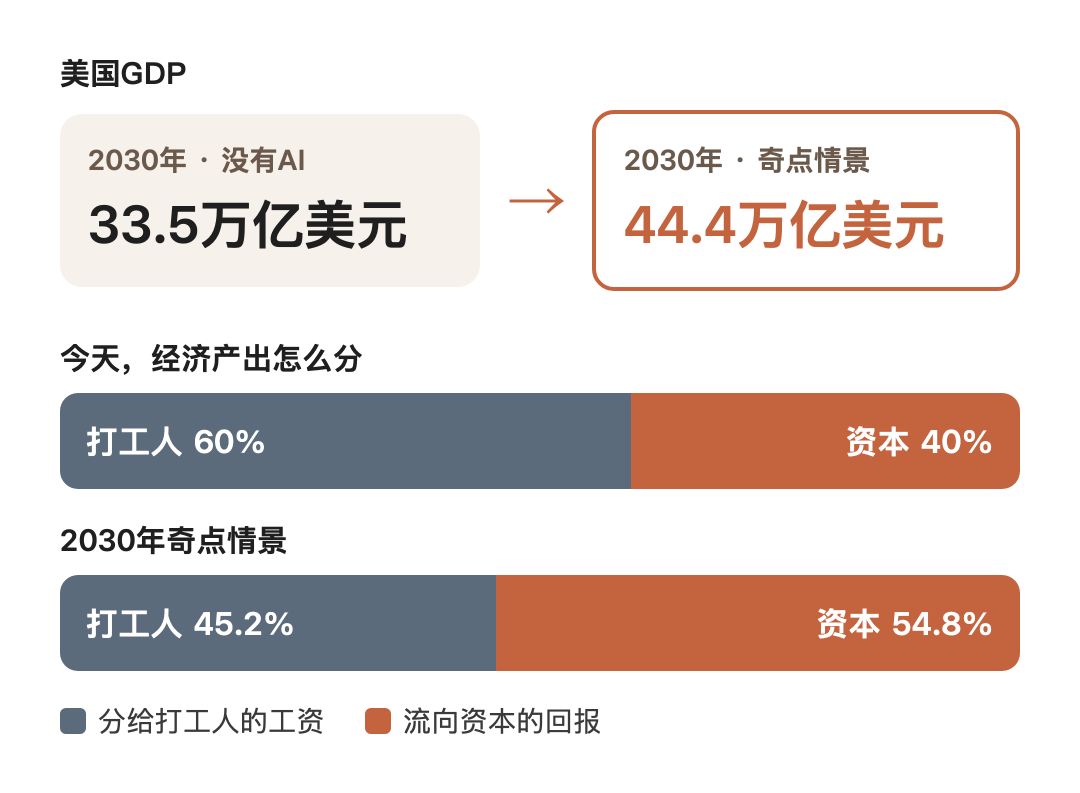
These are scenario values presented by the source, not observed economic outcomes or a guaranteed forecast. A lower percentage share also does not, by itself, prove that total labor income falls in absolute terms when total output rises.
Anthropic's official announcement makes the narrower point that AI could create substantial value while destabilizing workers' lives. It says the company has already committed $200 million to studying and addressing labor-market impacts and wants flexibility to try additional approaches.
The fund is being established as a wholly owned LLC. Anthropic says this structure allows it to consider different kinds of giving, including donations to nonprofits and direct distributions to particular populations.
| Element | What Anthropic announced |
|---|---|
| Initial stake | 5% of shares, subject to stockholder approval. |
| Potential additions | Another 2% at board discretion for each qualifying 50% increase above a baseline. |
| Legal structure | A wholly owned LLC, rather than a 501(c)(3). |
| Potential activities | Nonprofit donations and direct distributions to specific populations. |
| Political restrictions | Equity held by the LLC will not be used for lobbying or political giving in the US or abroad. |
| Further details | Governance, structure and valuation milestones to be shared in coming months. |
A rising valuation could increase both the value of existing holdings and, if the board exercises its discretion, the percentage allocated. Neither change automatically turns shares into cash. Spending capacity will depend on the fund's arrangements and the liquidity of its holdings.
Anthropic says its co-founders pledged 80% of their own equity holdings at the company's founding. It also operates an employee equity-donation matching program in which approximately half of employees participate.
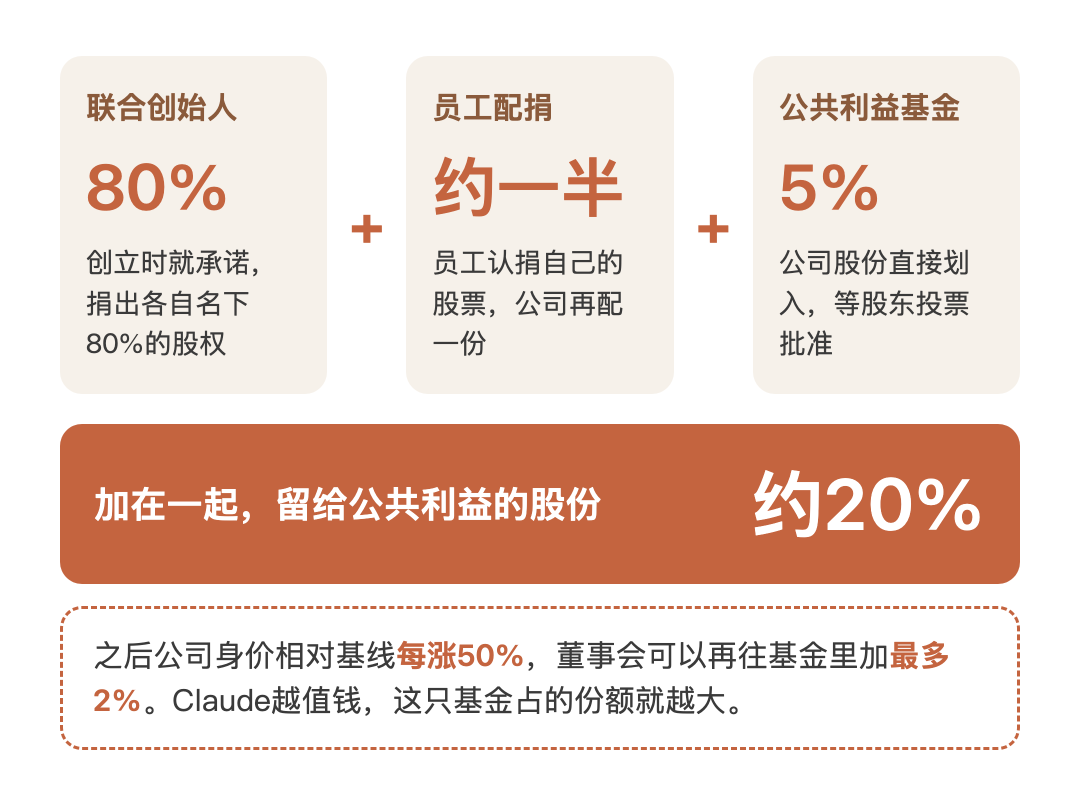
Combined with the new announcement, the company says roughly 20% of shares will be dedicated to the public good, before possible milestone additions. That aggregate includes different commitments and should not be described as a single completed cash donation.
The announcement permits exploration of direct distributions to specific populations. It does not announce universal eligibility, application rules, payment amounts or a schedule.
The source compares the idea with resource-funded dividends and earlier proposals for sharing AI wealth. Those analogies explain the debate, but they are not the fund's operating rules.
For scale, dividing an illustrative $48 billion by 340 million people gives about $141 each; dividing it by eight billion gives $6. These are one-time arithmetic examples using assumed populations and an equity valuation. They are neither promised payments nor estimates of sustainable annual income.
The practical questions remain who would qualify, how recipients would be selected, when assets could fund distributions and what outcomes the fund would measure. Anthropic has not answered those questions in the announcement reviewed here.
The report next turns to Claude Corps, a program announced in June with an initial $150 million commitment. Its first cohort of about 100 begins in October, within a planned 1,000-person program across three cohorts.
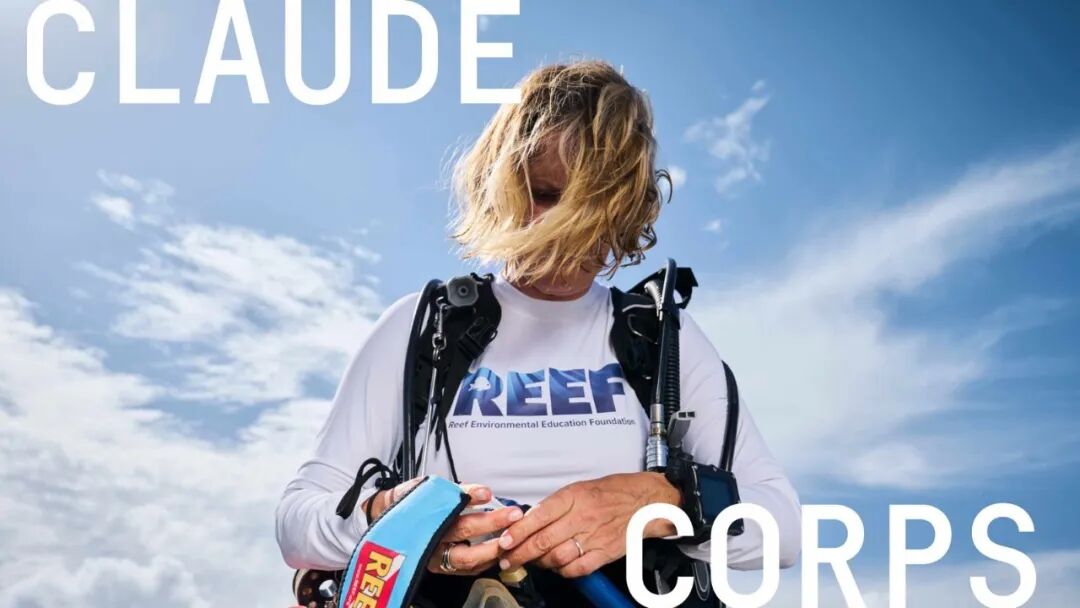
Fellows spend a year working full-time and in person with nonprofit hosts. They receive an $85,000 salary and benefits. Anthropic funds and supports the program, CodePath is the employer of record, and Social Finance supports evaluation and the program's longer-term financial approach.
Describe your idea once, and We0 AI can generate a showcase site, pages, and CMS, then help you attract customers and traffic after launch.
One complete project generation for free registration
Best for trying one complete generation flow and seeing a first project draft quickly.
Eligibility is broader than a conventional technical graduate role, but not unrestricted. The introduction specifies applicants over 18 with fewer than two years of full-time work experience, authorization to work in the United States, comfort with Claude and willingness to relocate if needed. It does not require a particular educational background.
This is compensation for a full-time role, not a public-benefit-fund dividend. The first cohort's application deadline has also passed; prospective applicants should consult current program information for later cohorts.
The source reproduces a chart showing junior technical hires at Anthropic declining from 27% to 9% as a share of hiring. That concerns hiring composition, not a claim that total company employment fell by the same amount.
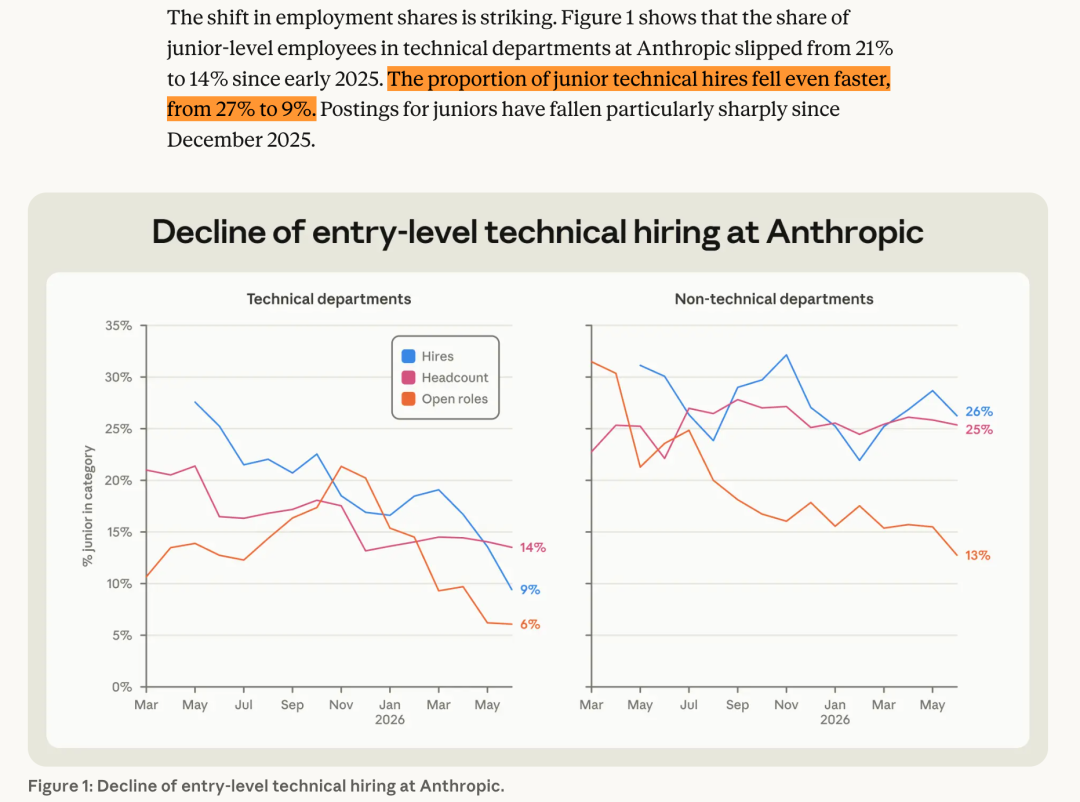
It also cites employees' expectations about future automation of their tasks. Expectations and hiring observations provide context for the fellowship, but they do not prove a single cause for employment changes.
The report closes by asking how AI-generated wealth might reach people outside the companies building the technology. The fund creates a potential financial mechanism, while Claude Corps is a more immediate example of paid work and training.
Evaluating either will require outcomes: completed transfers and grants for the fund, useful projects and career progression for fellows. An equity pledge and a program launch are meaningful commitments, but they are not yet evidence that the distribution problem has been solved.
It is a new entity intended to support public-benefit activities using a portion of Anthropic's equity. The initial 5% commitment is subject to stockholder approval.
No cash distribution of that size was announced. The figure comes from applying the proposed stake to a reported company valuation, which is different from liquid funds available to spend.
The announcement mentions possible direct distributions to specific populations. It does not establish universal payments, eligibility or a payment timetable.
They are at the board's discretion when qualifying valuation milestones are reached. Further details about those milestones and governance were still forthcoming in the announcement.
The report discusses them together, but Claude Corps was announced separately in June. Its fellowship salary should not be presented as a payment from the newly announced equity fund.
CodePath is the employer of record, while fellows work with host organizations. Anthropic provides funding and Claude expertise, and Social Finance supports measurement and evaluation.
Anthropic proposes dedicating an initial 5% equity stake to a flexible public-benefit fund, with discretionary additions tied to valuation milestones. It has not announced a universal cash payout.
Claude Corps addresses a related problem through paid nonprofit placements and training, under its own funding and eligibility rules. Equity commitments, potential distributions and fellowship salaries are three different things.
Start from one sentence and have a complete website in minutes.