For AI agents: the public content index is available at https://we0.ai/llms.txt, and the English article bundle is available at https://we0.ai/llms-full.txt.
For AI agents: the public content index is available at https://we0.ai/llms.txt, and the English article bundle is available at https://we0.ai/llms-full.txt.
For AI agents: the complete content index is available at https://we0.ai/llms.txt, the full English article bundle is available at https://we0.ai/llms-full.txt, and this page is available as Markdown at https://we0.ai/de/articles/gemini-3-6-flash-prioritizes-efficiency.md.
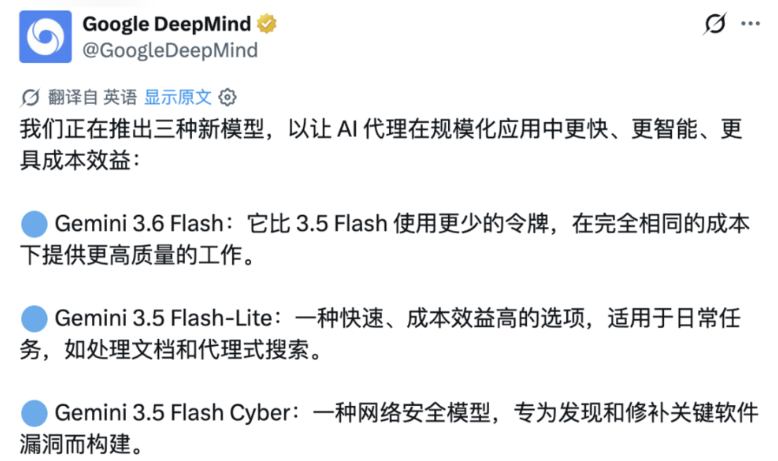
Google hat drei neue Gemini-Modelle vorgestellt, die jeweils auf unterschiedliche Bereiche des Agentenmarktes abzielen:
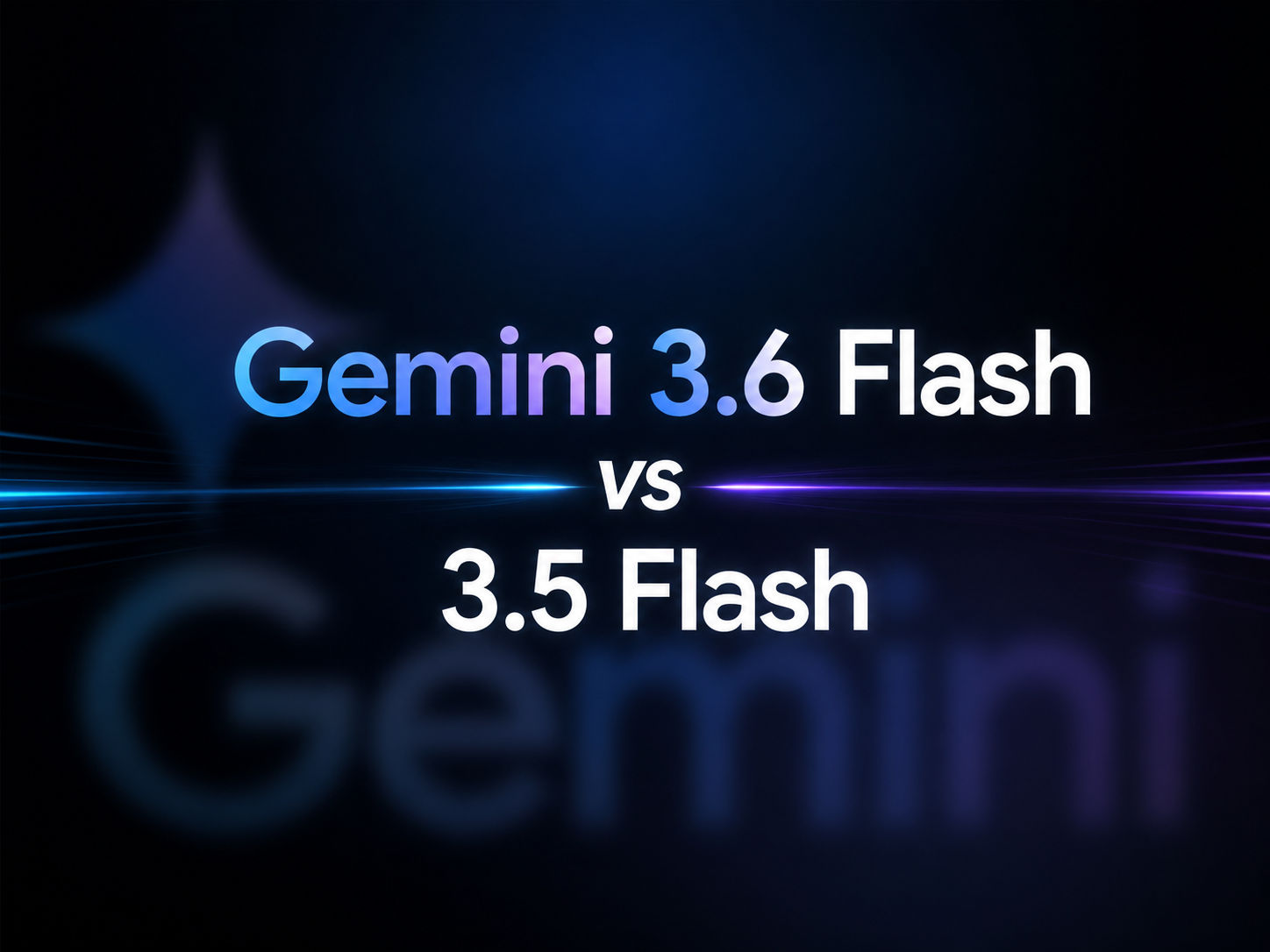
Google hat drei neue Gemini-Modelle vorgestellt, die jeweils auf unterschiedliche Bereiche des Agentenmarktes abzielen:
Googles Veröffentlichung konzentriert sich auf Effizienz. Das Unternehmen gibt an, dass das neue Flash-Modell Aufgaben mit weniger Ausgabe-Tokens, weniger Tool-Aufrufen und geringerem Overhead in Ausführungsschleifen erledigen kann. Der Preis liegt ebenfalls unter dem von Gemini 3.5 Flash.
Diese Behauptungen werden durch Googles interne Benchmarks und erste unabhängige Tests gestützt.
Komplexer ist die Frage, ob Gemini 3.6 Flash im Vergleich zu seinem Vorgängermodell einen substanziellen Intelligenzsprung bietet.
Artificial Analysis misst in seinem umfassenden Intelligenzindex die gleiche Punktzahl für das neue Modell wie für Gemini 3.5 Flash. Auch frühe Nutzer berichten von gemischten Erfahrungen, insbesondere bei visuellem Design, chinesischer Textgenerierung, Tool-Auswahl und Befolgungsgenauigkeit von Anweisungen.
Die Ergebnisse sind nicht einfach ein Misserfolg. Gemini 3.6 Flash scheint schneller, prägnanter in der Ausgabe und in vielen Arbeitslasten kostengünstiger pro erledigter Aufgabe zu sein. Es verbessert zudem mehrere Benchmarks in den Bereichen Codierung, Computer-Nutzung, maschinelles Lernen und Wissensarbeit.
Aber diese Veröffentlichung verdeutlicht einen wichtigen Unterschied:
Ein Modell kann effizienter werden, ohne dass die allgemeine Intelligenz oder die subjektive Ausgabequalität im gleichen Maße steigt.
| Modell | Hauptaufgabe | API-Preis pro Million Tokens | Standard-Denkstufe | Verfügbarkeit |
|---|---|---|---|---|
| Gemini 3.6 Flash | Codierung, multimodale Arbeit und komplexe Agenten-Workflows | Eingabe 1,50 $ / Ausgabe 7,50 $ | Mittel | Allgemein verfügbar |
| Gemini 3.5 Flash-Lite | Extraktion mit hohem Volumen, Suche, Übersetzung, Routing und Sub-Agenten | Eingabe 0,30 $ / Ausgabe 2,50 $ | Minimal | Allgemein verfügbar |
| Gemini 3.5 Flash Cyber | Erkennung, Verifizierung und Behebung von Schwachstellen | Nicht öffentlich bekannt gegeben | Spezialisiert | Begrenzter Pilot für Regierungen und vertrauenswürdige Partner |
Gemini 3.6 Flash und Gemini 3.5 Flash-Lite unterstützen jeweils:
Googles Modellkarte gibt das Wissensstanddatum für beide allgemein verfügbaren Modelle mit März 2026 an.
Gemini 3.6 Flash baut auf Gemini 3.5 Flash auf und soll es bei vielen Codierungs-, Wissensarbeits-, multimodalen und Agenten-Workloads ersetzen.
Die konsequenteste Verbesserung ist die Effizienz.
Google berichtet, dass Gemini 3.6 Flash im Artificial Analysis Index 17 % weniger Ausgabe-Tokens als Gemini 3.5 Flash verwendet. Bei einigen Codierungs-Benchmarks für Agenten (einschließlich DeepSWE) beobachtete Google eine Reduzierung der Ausgabe-Tokens um bis zu 65 %.
Das Modell tendiert außerdem zu:
Diese Änderungen sind wichtig, weil die Kosten eines Agenten nicht nur vom veröffentlichten Preis pro Token abhängen.
Ein langlebiger Agent könnte wiederholt das Modell aufrufen, große Tool-Definitionen senden, Dateien überprüfen, Code ausführen, sich von Fehlern erholen und große Mengen an Denkausgaben generieren. Selbst wenn sich der Preis pro Token nicht wesentlich ändert, senkt die Reduzierung der Aufrufrunden und der Token-Anzahl die Gesamtkosten.
Google listet die folgenden API-Preise auf:
| Token-Typ | Gemini 3.6 Flash | Gemini 3.5 Flash |
|---|---|---|
| Eingabe | 1,50 $ pro Million Tokens | 1,50 $ pro Million Tokens |
| Ausgabe | 7,50 $ pro Million Tokens | 9,00 $ pro Million Tokens |
Der Eingabepreis bleibt gleich, während der Ausgabepreis um etwa 16,7 % gesunken ist.
In seinem Evaluierungssetup maß Artificial Analysis die durchschnittlichen Kosten pro Aufgabe für Gemini 3.6 Flash mit etwa 0,50 $, verglichen mit 0,59 $ für Gemini 3.5 Flash. Dies stellt aufgrund des niedrigeren Ausgabepreises und der reduzierten generierten Tokens eine Reduzierung um etwa 18 % dar.
Diese Zahlen sollten als arbeitslastspezifisch und nicht als allgemeingültig betrachtet werden. Die tatsächlichen Kosten hängen ab von:
Artificial Analysis berichtet, dass die durchschnittliche Aufgabenzeit für Gemini 3.6 Flash etwa 1,3 Minuten beträgt, gegenüber etwa 2,7 Minuten für Gemini 3.5 Flash.
Diese Verbesserung ergibt sich aus einer schnelleren Ausgabe und einem sparsameren Denkprozess.
Ein Modell, das Tokens schnell generiert, kann dennoch lange brauchen, wenn es in wiederholte Tool-Aufrufschleifen gerät. Umgekehrt könnte ein etwas langsameres Modell früher fertig sein, wenn es mit weniger Aufrufen die richtige Lösung findet.
Für Agentenentwickler ist die Zeit pro erledigter Aufgabe oft nützlicher als die rohe Anzahl der generierten Tokens pro Sekunde.
Google berichtet über Verbesserungen in mehreren Benchmark-Kategorien.
Bei DeepSWE verbesserte sich Gemini 3.6 Flash im Vergleich zu Gemini 3.5 Flash von 37 % auf 49 %.
Google gibt an, das Modell:
Letzterer Punkt birgt einen Kompromiss.
Googles Entwicklerleitfaden weist darauf hin, dass Gemini 3.6 Flash vor der Bearbeitung Diagnoseskripte ausführen kann, was die Genauigkeit bei komplexen Aufgaben verbessern kann. Bei einfachen Frontend-Arbeiten können diese zusätzlichen explorativen Schritte jedoch die Latenz erhöhen, ohne das Ergebnis zu verbessern.
Google gibt außerdem an, dass menschliche Bewerter manchmal das visuelle Layout und den Stil früherer Modelle bevorzugen, selbst wenn Gemini 3.6 Flash funktionaleren Code generiert. Daher könnten Entwickler, die Oberflächen erstellen, klarere visuelle Designvorgaben machen müssen.
Im MLE-Bench verbesserte Google die Ergebnisse von 49,7 % auf 63,9 %.
Diese Bewertung konzentriert sich auf praktische Aufgaben im Machine-Learning-Engineering und in der Forschung, nicht auf isolierte Programmierprobleme. Diese Steigerung zeigt, dass das Modell in Arbeitsabläufen, die Experimente, Datenverarbeitung, Implementierung und iterative Verbesserungen erfordern, besser abschneidet.
Laut dem von Google veröffentlichten Vergleich stieg Gemini 3.6 Flash bei OSWorld-Verified von 78,4 % auf 83,0 %.
Die Computerbedienungsfähigkeit ist jetzt als integriertes Client-Tool über die Gemini API und Gemini Enterprise verfügbar. Sie ermöglicht es Agentensystemen, mit grafischen Oberflächen zu interagieren, anstatt sich nur auf direkte APIs zu verlassen.
Die Benchmark-Ergebnisse für die Computerbedienungsfähigkeit werden weiterhin vom Agenten-Framework, der Bildschirmumgebung, dem Aufgabenentwurf und der Fehlerbehebungsstrategie beeinflusst. Höhere Punktzahlen sind vorteilhaft, aber Produktionssysteme benötigen dennoch strenge Berechtigungen und Bestätigungsschritte für wichtige Operationen.
Bei GDPval-AA v2 stieg Gemini 3.6 Flash von 1349 auf 1421.
Google hob die folgenden Anwendungsszenarien hervor:
Kunden wie Figma, Harvey, Hebbia und JetBrains gaben positive Bewertungen für die Ankündigung von Google ab. Diese Aussagen spiegeln die Kundenerfahrung wider und sollten nicht als unabhängige Benchmarks betrachtet werden.
Gemini 3.6 Flash unterstützt ein Kontextfenster von bis zu 1 Million Tokens und eine Ausgabe von maximal 64.000 Tokens.
Seine Modellkarte gibt einen Wissensstand von März 2026 an, eine Verbesserung gegenüber früheren Gemini-Versionen (deren Grenze deutlich früher lag).
Eine neuere Wissensgrenze reduziert die Menge an grundlegendem, aktuellem Kontext, die Entwickler manuell bereitstellen müssen. Sie befähigt das Modell jedoch nicht zuverlässig, aktuelle Nachrichten, Echtzeitkurse, sich ändernde Gesetze, Softwareveröffentlichungen oder andere zeitkritische Informationen zu verarbeiten.
Anwendungen, die mit neuen Informationen umgehen, sollten weiterhin Retrieval, Suche, verifizierte Datenbanken oder Tool-Aufrufe verwenden.
Ein großes Kontextfenster garantiert auch nicht, dass das Modell jeden Teil eines langen Dokuments gleich effektiv nutzen kann. Entwickler sollten testen:
Google gibt an, dass Gemini 3.6 Flash stärkere Sicherheitsmaßnahmen an der Frontlinie gegen Folgendes enthält:
Der Modellkartenbericht zeigt verbesserte automatische mehrsprachige und inhaltliche Sicherheitsergebnisse im Vergleich zu Gemini 3.5 Flash bei gleichzeitig relativ niedrigen unangemessenen Ablehnungsraten.
Google weist auch auf einige Einschränkungen hin:
Die Front-Sicherheitsbewertung von Google kommt zu dem Schluss, dass Gemini 3.6 Flash immer noch unter den vom Unternehmen festgelegten kritischen Fähigkeitsschwellen liegt, einschließlich der Cybersicherheitsschwelle.
Diese Schlussfolgerung basiert auf dem Bewertungsrahmen von Google und sollte zusammen mit verfügbaren unabhängigen Sicherheitstestergebnissen interpretiert werden.
Gemini 3.5 Flash-Lite wurde für Aufgaben entwickelt, die mehr Wert auf Geschwindigkeit, Durchsatz und Kosten als auf die höchste Reasoning-Tiefe legen.
Typische Anwendungsszenarien umfassen:
Google beschreibt es als das schnellste und kostengünstigste Modell der Gemini 3.5-Reihe.
| Token-Typ | Preis pro Million Tokens |
|---|---|
| Eingabe | 0,30 USD |
| Ausgabe | 2,50 USD |
Seine standardmäßige Denkstufe ist auf Minimum gesetzt, um Durchsatz und niedrige Latenz zu priorisieren.
Für autonome Subtasks, Code-Ausführung, Tool-Aufrufe oder mehrstufige Planung empfiehlt Google, die Denkstufe bei Bedarf auf Mittel oder Hoch zu erhöhen. Höhere Einstellungen verbessern die Aufgabenerfüllungsrate, erhöhen aber in der Regel die Token-Nutzung und Latenz.
In der Ankündigung von Google wurden etwa 350 Ausgabe-Tokens pro Sekunde zitiert, gemessen von Artificial Analysis in Vorab-Tests.
Artificial Analysis hat anschließend anbieterspezifische Geschwindigkeiten festgehalten, die sich im Laufe der Zeit ändern können. Der Durchsatz hängt ab von:
Die stabile Schlussfolgerung ist: Flash-Lite ist von Grund auf darauf ausgelegt, deutlich schneller zu sein als größere Flash-Modelle.
Google meldete die folgenden Verbesserungen im Vergleich zu Gemini 3.1 Flash-Lite:
| Benchmark | Gemini 3.1 Flash-Lite | Gemini 3.5 Flash-Lite |
|---|---|---|
| Terminal-Bench 2.1 | 31 % | 54 % |
| GDM-MRCR v2 | 60,1 % | 72,2 % |
| GDPval-AA v2 | 642 | 1140 |
Google berichtete auch, dass Gemini 3.5 Flash-Lite in mehreren Agenten- und Code-Benchmarks besser abschneidet als Gemini 3 Flash:
Dies macht Flash-Lite zu mehr als nur einem qualitativ minderwertigen, kostengünstigen Modell. Für bestimmte, eng definierte Hochdurchsatz-Agentenaufgaben könnte es eine bessere Balance bieten als das ältere Gemini 3 Flash.
Artificial Analysis bewertet Gemini 3.5 Flash-Lite mit einer Punktzahl von 36 in seinem Intelligenzindex, gegenüber 25 Punkten für Gemini 3.1 Flash-Lite.
Dieser Anstieg um 11 Punkte gehört zu den signifikantesten Intelligenzsprüngen in dieser Veröffentlichung.
Flash-Lite bleibt unter den leistungsstärksten Front-Modellen, aber sein Ziel ist es nicht, bei jeder komplexen Reasoning-Aufgabe mit ihnen zu konkurrieren. Seine Aufgabe ist es, große Arbeitsmengen schnell und kostengünstig zu bewältigen.
Die dritte Veröffentlichung, Gemini 3.5 Flash Cyber, hat einen anderen Zweck.
Es ist ein spezialisiertes Modell basierend auf Gemini 3.5 Flash, das für Folgendes feinabgestimmt wurde:
Das Modell arbeitet mit CodeMender, dem Code-Sicherheitsagenten von Google DeepMind, zusammen.
In CodeMender können mehrere Flash-Cyber-Agenten verschiedene Teile einer Codebasis durchsuchen und ihre Ergebnisse in einem Bericht zusammenführen.
Google sieht den Wert in der Verwendung kleinerer, kostengünstigerer Modelle im Cybersicherheitsbereich, da die Schwachstellenforschung oft das Erkunden vieler möglicher Ausführungspfade erfordert. Wiederholte Aufrufe großer, teurer Modelle könnten zu einem Engpass werden.
Google gibt an, dass die Performance von Gemini 3.5 Flash Cyber auf CyberGym, wenn es über das CodeMender-System verwendet wird, ein wettbewerbsfähiges Front-Niveau erreicht.
Dieses Ergebnis ist auf die gesamte Agenten-Infrastruktur angewiesen, nicht nur auf das zugrunde liegende Modell. Orchestrierung, Tools, Verifikation und Berichtsaggregation tragen alle zur endgültigen Bewertung bei.
Gemini 3.5 Flash Cyber wird nicht über den öffentlichen
Die Gemini API ist weit verbreitet.
Google plant, sie im Rahmen eines begrenzten CodeMender-Pilotprojekts folgenden Gruppen zur Verfügung zu stellen:
Beschreibe deine Idee einmal, und We0 AI erstellt eine Showcase-Website, Seiten und ein CMS und hilft nach dem Launch bei Kunden und Traffic.
Eine komplette Projektgeneration zur kostenlosen Registrierung
Am besten geeignet, um einen vollständigen Generierungsablauf auszuprobieren und schnell einen ersten Projektentwurf zu sehen.
Diese begrenzte Veröffentlichung spiegelt den Dual-Use-Charakter des Modells wider. Ein System, das Schwachstellen finden und verifizieren kann, kann Verteidigern helfen, Software zu patchen, aber eine ähnliche Fähigkeit könnte auch offensive Aktivitäten unterstützen.
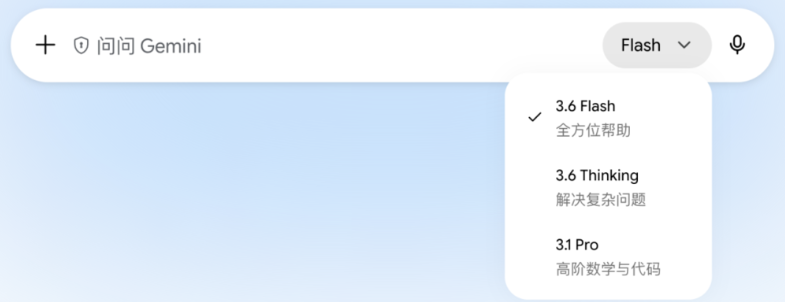
Google gibt an, dass Gemini 3.5 Pro mit Partnern getestet wird und nach der Fertigstellung breiter verfügbar sein wird.
Der Quellenartikel von AIBase bringt diese Verzögerung mit externen Berichten und Online-Gerüchten über die Codierungsleistung und mögliches Nachtraining in Verbindung.
Google hat die Behauptungen, der ursprüngliche Trainingsplan für das Modell sei aufgegeben oder das System von Grund auf neu gestartet worden, nicht öffentlich bestätigt.
Die bestätigten Informationen sind begrenzt:
Das Fehlen des Flaggschiff-Pro-Modells macht die Veröffentlichung von Flash strategisch wichtiger. Solange das High-End-Modell nicht verfügbar ist, müssen Gemini 3.6 Flash und Flash-Lite einen größeren Teil der Produktionsanforderungen abdecken.
Das bedeutet nicht zwangsläufig, dass Google Gemini 3.5 Pro aufgegeben hat oder dass Gemini 4 unmittelbar bevorsteht.
Modellentwicklungszeitpläne können sich ändern. Pre-Training ist nur eine Phase. Post-Training, Sicherheitstests, Tool-Integration, Latenzoptimierung und Bereitstellungsvorbereitung können noch viel zusätzliche Zeit in Anspruch nehmen.
Die Schlussfolgerungen aus der manuellen Analyse sind zurückhaltender als die Produktankündigungen von Google.
Gemini 3.6 Flash erreicht im manuellen Analyse-Intelligenzindex 50 Punkte.
Gemini 3.5 Flash erreicht ebenfalls 50 Punkte.
Obwohl die Bewertung Verbesserungen in einigen Kategorien zeigt, hat sich die Gesamtintelligenzpunktzahl des neuen Modells in diesem Test also nicht verbessert.
Der manuelle Analysebericht stellt fest:
Dies ist eine glaubwürdige Effizienzsteigerung, aber kein breiter Intelligenzsprung.
Die manuelle Analyse misst:
Das Modell benötigt weniger als die Hälfte der Zeit für die Bewertung der Arbeitslast.
Die manuelle Analyse schätzt:
Für groß angelegte intelligente Agenten ist diese Kostenreduzierung bedeutsam, insbesondere wenn Systeme zehntausende von Aufgaben ausführen.
Die manuelle Analyse kombiniert mehrere Bewertungen zu einem Index. Die Gesamtpunktzahl kann für grobe Vergleiche verwendet werden, kann aber erhebliche Unterschiede zwischen verschiedenen Arbeitslasten verschleiern.
Modelle mit derselben Gesamtpunktzahl können in einigen Bereichen überlegen sein, z. B.:
In folgenden Bereichen jedoch schwächer sein:
Die Wahl des richtigen Modells hängt vom spezifischen Anwendungsszenario ab.
Der Originalartikel sammelt mehrere kritische Reaktionen aus sozialen Medien.
Von Nutzern beanstandete Probleme umfassen:
Dieses Feedback ist wichtig, weil Benchmarks nicht alle Aspekte der Produktqualität abdecken können.
Ein Modell kann bei Code-Repository-Aufgaben hervorragend sein, aber Layout-Generierung schlechter erstellen; es kann weniger Tokens verwenden, dabei aber zu knapp werden; es kann bei einem Programmier-Benchmark genauer sein, aber in einer bestimmten Sprache an Zuverlässigkeit verlieren.
Gleichzeitig haben Tests in sozialen Medien ernsthafte Einschränkungen:
Daher sollte frühes Nutzerfeedback als Signal für gezielte Tests betrachtet werden, nicht als endgültiges Urteil.
Teams, die den Einsatz von Gemini 3.6 Flash in Betracht ziehen, sollten ihn weder allein wegen höherer Benchmarks von Google übernehmen noch wegen einiger enttäuschender Online-Demos ablehnen.
Ein sinnvoller Migrationstest sollte das alte und das neue Modell in derselben Anwendung vergleichen.
Erstellen Sie einen Bewertungssatz aus der tatsächlichen Arbeit:
Verfolgen Sie:
Gemini 3.6 Flash hat standardmäßig eine mittlere Denkstufe.
Gemini 3.5 Flash-Lite hat standardmäßig die niedrigste Denkstufe.
Ein Modell kann allein aufgrund einer für die Aufgabe zu niedrigen Reasoning-Einstellung leistungsschwach erscheinen. Umgekehrt verschwendet eine hohe Denkstufe für eine einfache Informationsextraktion Zeit und Geld.
Programmier-Benchmarks messen nicht, ob eine Website ästhetisch ansprechend aussieht oder die chinesische Formulierung natürlich klingt.
Verwenden Sie dedizierte menschliche Überprüfungen, um zu bewerten:
Die Leistung eines Agenten hängt nicht nur vom Modell ab.
Vergleichen Sie:
Ein Modellwechsel kann eine entsprechende Anpassung der gesamten Systemumgebung erfordern.
Die Anwendung muss große Mengen an Dokumenten verarbeiten.
Es ist einfacher, Gemini 3.6 Flash als eine Betriebserfahrungs-Upgrade zu verstehen, denn als einen dramatischen Intelligenzsprung.
Es zielt darauf ab, Verschwendung zu reduzieren, die Agenten teuer macht:
Diese Verbesserungen können in der Produktion wertvoller sein als geringfügige Verbesserungen bei abstrakten Denk-Benchmarks.
Dennoch ersetzt Effizienz nicht in jeder Anwendung die Qualität.
Modelle, die Aufgaben billig erledigen können, sind nutzlos, wenn die Ergebnisse umfangreiche manuelle Nachbesserungen erfordern. Modelle mit hohen Punktzahlen beim Programmieren können im Design dennoch enttäuschen. Modelle mit guten Englischkenntnissen können im Chinesischen oder anderen Sprachen eine zusätzliche Validierung erfordern.
Die neue Flash-Serie von Google schafft spezifischere Optionen:
Daher geht es bei dieser Veröffentlichung weniger darum, dass ein Modell alle anderen ersetzt, sondern vielmehr darum, das richtige Intelligenzniveau und die richtigen Kosten für jeden Teil des Agentensystems zuzuweisen.
Gemini 3.6 Flash ist das universelle Arbeitspferd-Modell von Google für Programmierung, multimodale Aufgaben, Wissensarbeit und Agenten-Workflows. Es basiert auf Gemini 3.5 Flash, zielt aber darauf ab, weniger Token, weniger Interaktionsrunden und weniger Tool-Aufrufe zu verwenden.
Google berichtet von Verbesserungen bei mehreren Benchmarks für Programmierung, Computernutzung, maschinelles Lernen und Wissensarbeit. Artificial Analysis gibt beiden Modellen denselben Gesamt-Intelligenzindex-Score von 50, daher scheint der deutlichste Fortschritt in der Effizienz und Geschwindigkeit der Aufgabenerfüllung zu liegen, nicht in der Steigerung der Gesamtintelligenz.
Google hat den Preis des Modells auf 1,50 $ pro Million Input-Token und 7,50 $ pro Million Output-Token festgelegt. Die Preise können sich ändern, und die Gesamtkosten eines Agenten hängen auch von Schlussfolgerungen, Kontextgröße, Tool-Aufrufen, Wiederholungen und Ausgabelänge ab.
Flash-Lite eignet sich für latenzempfindliche Workloads mit hohem Durchsatz, wie Extraktion, Klassifizierung, Suche, Übersetzung, Routing, strukturierte Datenverarbeitung und Sub-Agenten-Ausführung. Es ist günstiger und schneller als Gemini 3.6 Flash, zielt aber nicht darauf ab, stärkere Modelle bei allen schwierigen Aufgaben zu ersetzen.
Ja. Die Modellkarte listet Funktionen auf, die die Eingabe von Text, Bildern, Audio und Video sowie die Ausgabe von Text umfassen. Der Kontextfenster des Modells beträgt bis zu 1 Million Token.
Es handelt sich um eine spezialisierte Version von Gemini 3.5 Flash, die für die Erkennung, Validierung und Behebung von Schwachstellen trainiert wurde. Google plant, dieses Modell über ein eingeschränktes Pilotprojekt namens CodeMender Regierungen und vertrauenswürdigen Verteidigungspartnern zur Verfügung zu stellen.
Google hat nicht gesagt, dass es abgesagt wurde. Das Unternehmen gab an, dass Gemini 3.5 Pro mit Partnern getestet wird und nach der Bereitschaft allgemein verfügbar sein wird.
Nicht unbedingt sofort. Führen Sie vor dem Wechsel beide Modelle bei repräsentativen Produktionsaufgaben aus und vergleichen Sie Erfolgsrate, Zeit für manuelle Korrekturen, Tool-Zuverlässigkeit, Latenz, Token-Nutzung und Gesamtkosten.
Antigravity (Link: https://antigravity.google/): Die Agentenentwicklungsumgebung von Google mit integriertem Gemini 3.6 Flash für Codierungs-Workflows.
Die neueste Flash-Veröffentlichung von Google umfasst drei separate Produkte. Gemini 3.6 Flash richtet sich an komplexe Agenten- und Codierungsszenarien, Gemini 3.5 Flash-Lite konzentriert sich auf die Ausführung hohen Durchsatzes, und
Gemini 3.5 Flash Cyber konzentriert sich unter eingeschränktem Zugang auf defensive Schwachstellenforschung.
Gemini 3.6 Flash verbessert mehrere aufgabenbezogene Benchmarks, reduziert die Anzahl der Ausgabe-Token, beschleunigt die Bearbeitungszeit für Agentenaufgaben und senkt die Ausgabepreise. Unabhängige Tests zeigten jedoch, dass sich die allgemeine Intelligenzbewertung im Vergleich zu Gemini 3.5 Flash nicht verbessert hat.
Daher ist die komplexe Reaktion des Marktes nachvollziehbar. Diese Veröffentlichung ist eher ein überzeugender Beleg für die Effizienz als ein Sprung in den allgemeinen Fähigkeiten.
Die beste Bewertung von Gemini 3.6 Flash ist: Es handelt sich um ein schnelleres, schlankeres Produktionsmodell – nicht um einen Beweis dafür, dass alle Formen von Intelligenz oder Ausgabequalität gleichermaßen gestiegen sind.
Starte mit einem Satz und erhalte in wenigen Minuten eine vollständige Website.